

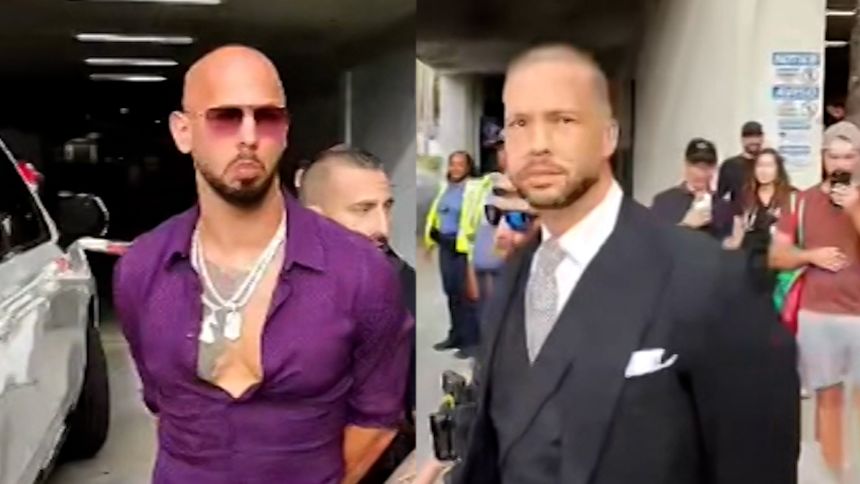
The United Kingdom has filed its full extradition package for Andrew and Tristan Tate, meeting the September 16 deadline the Florida court set. The brothers stay in a Miami jail, where they have been since July 18, after a judge called them “quintessential flight risks.”

We covered the bail denial earlier this month. This is the step that turns a provisional arrest into an actual extradition case.
What the UK is asking for
The brothers face 59 criminal charges in the UK, covering alleged conduct between 2010 and 2017. The charges include rape, sex trafficking and indecent images of a child. Both deny everything.

They were arrested in Miami by US Marshals on July 18 on provisional warrants requested by Britain. A provisional arrest buys time. The formal package is the government actually laying out its case, and it starts the clock on a hearing.
No extradition hearing date has been set.
Why they are not out on bail
Magistrate Judge Lauren Louis ruled on September 9, after an August 27 hearing, that the brothers would stay locked up.
She wrote that they had “an exceptional capacity to flee the jurisdiction” and called them “quintessential flight risks.” They “failed to meet their burden to demonstrate that they do not present a risk of flight or danger to the community, or that special circumstances warrant their release.”
Their lawyers have argued the UK request should wait until the criminal case against them in Romania resolves.
The BeezLoop Take
The queueing argument is the interesting one, and it is not frivolous. Two countries want the same defendants, Romania got there first, and defendants do have a real interest in not being shuttled between jurisdictions before any case is resolved. Courts weigh this.
Our position: it still reads as delay rather than principle. The Romanian case has moved slowly for years, and an argument whose practical effect is to postpone a 59-count British indictment indefinitely is doing something other than protecting orderly process. Judge Louis’s flight-risk finding was not close, and the brothers’ own public conduct over several years supplied most of the evidence for it.
What we would flag for readers: none of these charges has been tested at trial anywhere. Fifty-nine counts is a number, not a verdict, and the alleged conduct dates back sixteen years, which creates real evidentiary problems the defense will press hard. People who dislike the Tates should want a clean process here more than a fast one, because a conviction that survives appeal requires it. That is the same standard we applied to what prosecutors can actually prove and to the investigation surrounding a Missouri prosecutor who died before it closed.
What happens next
A hearing date, which has not been set. Then a magistrate decides whether the extradition request meets the treaty’s requirements, and the decision ultimately runs through the State Department. None of this is quick, and the brothers will likely remain in Miami throughout.