

Consumer sentiment just hit 47.8, near a record low, while unemployment sits at 4.1% and payrolls are still growing. Goldman Sachs has a theory for the gap: people aren’t unhappy about the economy, they’re just unhappy.

The University of Michigan index dropped for a second straight month, missing expectations of 51.0. It’s down almost 8% from August alone and about 13% from a year ago.
Goldman economist Joseph Briggs wrote that the weak readings likely reflect “a more fundamental, downbeat assessment of the state of the world rather than the economy.” He tied it to falling reported happiness and declining trust in institutions.

Joanne Hsu, who directs the Michigan survey, told CNBC the sentiment downtrend mirrors exactly those readings on happiness and institutional trust.
The problem with the theory
It’s a real finding and the correlation holds. It also skips some things people are actually paying.
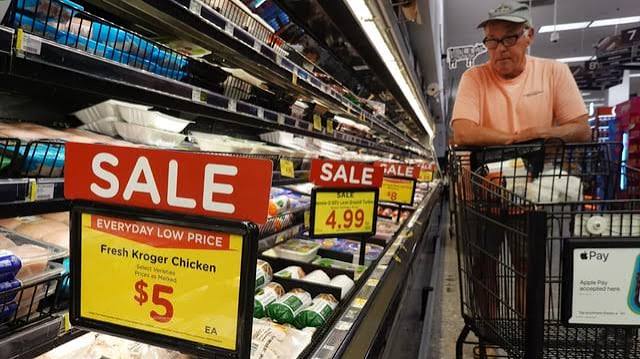
Diesel hit a record $6 a gallon this month. Oil crossed $100 a barrel. The Fed raised rates for the first time since 2023, which moves mortgages, car loans and credit card balances. Employer health premiums are set to rise 6% to 7% next year, more than double inflation.
None of that shows up in the unemployment rate. All of it shows up in a household budget.
Who actually feels this
People with a mortgage already locked in. Rate moves barely touch you. Your sentiment reading probably is mostly about the news.
People trying to buy, borrow or refinance now. The Fed’s move is a direct cost. Homebuilders are already discounting to keep sales moving, which tells you demand is straining.
People who drive for a living or commute far. Diesel and fuel prices hit before anything else does, and they pass through to grocery prices with a lag.
People on employer coverage. Premium increases land in January paycheck deductions, and most people haven’t seen the number yet.
The BeezLoop Take
Goldman is measuring something real. Happiness and institutional trust have fallen, they track sentiment closely, and that does explain part of a gap economists have puzzled over since the pandemic.
Our position: it’s a convenient finding, and convenient findings deserve a harder look. “The economy is fine, people are just sad” relocates the problem from prices to psychology, which is exactly where it’s least actionable and least anyone’s fault. The aggregate numbers that look solid are averages, and averages are doing heavy lifting in a year with record diesel, $100 oil, a rate hike and a 6.7% health premium increase. A household can be employed and still be losing ground.
Where we’ll grant the point: sentiment has been detached from the hard data for years now, through genuinely good stretches, and something beyond prices is clearly going on. We just don’t think you get to call a 47.8 reading a mood problem in the same month diesel set a record.
What to watch
The final September reading, and whether the gap between how people rate their own finances and how they rate the economy keeps widening. When those two diverge, people are usually fine themselves and frightened about everyone else. When they converge, it’s the wallet.
Sources: CNBC · University of Michigan Surveys of Consumers