

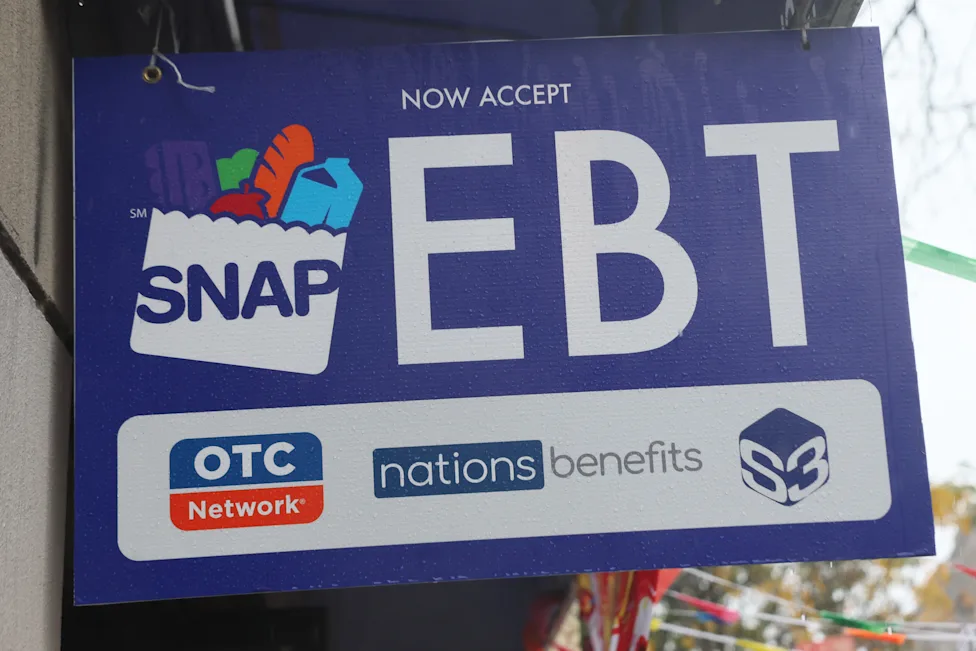
Two SNAP changes kicked in today, October 1. If you get food stamps, your maximum monthly benefit went up about 3%. If you don’t, you may still pay for SNAP in a new way: starting today, states cover 75% of what it costs to run the program, up from 50%. In some places, that bill is landing on county property taxes.
Here’s what changed, broken down by who it hits.
How much did SNAP benefits go up on October 1?
The yearly cost-of-living adjustment for fiscal 2027 took effect today. In the 48 contiguous states and D.C., the new maximum monthly benefits are:

- 1 person: $306 (up from $298)
- 2 people: $562
- 3 people: $808
- 4 people: $1,023 (up from $994)
- Each additional person: about $225 more
The minimum benefit for one- and two-person households goes from $24 to $25. The gross income limit for a single person rises to $1,729 a month, and to $3,575 for a family of four. Most households don’t get the maximum, so your actual increase depends on your income and expenses. Hawaii’s maximum for a family of four goes down this year, and Alaska’s varies by region.
A $29 bump for a family of four is real money at the register. It’s also a cost-of-living adjustment, which means it’s chasing grocery prices that already went up, not getting ahead of them.
Who pays the new SNAP costs starting today?
This is the bigger change, and it comes from the One Big Beautiful Bill Act Trump signed in July 2025. For decades, Washington and the states split SNAP’s administrative costs 50-50. Those costs pay for caseworkers, call centers, fraud checks and the computer systems that process benefits. As of today, the federal share drops to 25%. USDA estimates that moves about $16.9 billion onto states over five years, roughly $3.4 billion a year.
Most states saw it coming. Forty have set aside money to cover it, Ballotpedia reported today. Some only covered part of the year. West Virginia, Pennsylvania and Washington funded nine months. Wyoming put in about $850,000 against a $6 million request. Arkansas and New Hampshire didn’t add money at all.
New York and North Carolina did something else. They passed the cost down to counties.
What does the SNAP cost shift mean for New York?
In New York, counties and New York City run SNAP. The shift adds about $168 million a year in administrative costs, starting now, according to estimates reported by North Country Public Radio. New York City’s share is about $111 million. Hamilton County’s is about $27,000. And Gov. Kathy Hochul’s office hasn’t committed state money to cover any of it.
Counties are already reacting:
- Warren County raised its tax levy 12% above the state tax cap and is asking Albany for relief on SNAP costs.
- Washington County is leaving social services jobs unfilled to absorb a $574,558 increase.
- Ulster County has proposed a 2% income tax surcharge on people earning over $250,000 to raise $9 million to $11 million a year for SNAP and Medicaid costs.
So if you live in upstate New York and your county tax bill goes up this year, part of the reason may be a federal law about food stamps.
What else is changing for SNAP recipients?
Nothing else switched on today, but two things matter. The same law expanded work requirements. Adults up to age 64, and parents whose youngest child is 14 or older, now generally have to work, volunteer or train 80 hours a month to keep benefits past three months in three years. The law also ended exemptions for veterans, homeless people and young adults leaving foster care.
Next October brings a bigger hit to states. Starting October 1, 2027, states with high payment error rates will have to pay part of the benefits themselves, up to 15%. New York’s counties estimate that could cost them about $1.1 billion a year.
Enrollment is already falling fast. About 5 million people have lost SNAP since the law passed, including 1.5 million children, according to the Center on Budget and Policy Priorities figures reported by ABC News in September.
The declines we’re seeing in SNAP participation are far deeper and faster than the Congressional Budget Office predicted.
Dottie Rosenbaum, Center on Budget and Policy Priorities
The BeezLoop Take
The cost shift is being sold as making states take responsibility for a program they run. There’s a fair argument in there. States do run SNAP, and error rates in some of them are bad. But this isn’t a reform that makes SNAP run better. It’s a bill moved from one level of government to another, and in New York and North Carolina it got moved again, down to the level with the least room to absorb it.
The result is upside down. Washington cut its share, the state declined to pick it up, and a county in the Adirondacks is now choosing between a tax hike and fewer caseworkers. Fewer caseworkers means slower applications and more mistakes, and mistakes raise the error rate that decides how much a state pays starting next year. That’s a trap built into the law.
Meanwhile the 3% benefit increase is a reminder of what SNAP actually is: a cost-of-living program that grows only because groceries got more expensive.
The question for New Yorkers is simple. Will Albany cover the $168 million before county budgets are finalized, or will property owners find out on their next tax bill?
Related: Consumer sentiment is near a record low, and gas prices are driving MAGA voters away from Trump.
Sources: USDA Food and Nutrition Service: SNAP cost-of-living adjustments · Ballotpedia News · North Country Public Radio · Denver Gazette · ABC News