
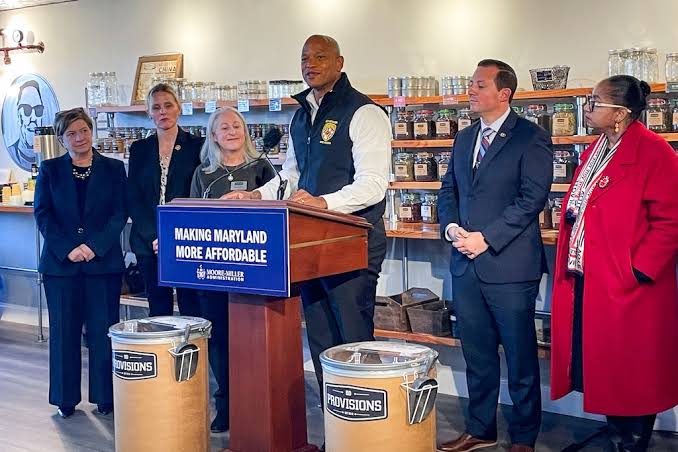
As of today, October 1, grocery stores and delivery apps in Maryland can’t use your personal data to charge you a higher price than the next shopper. The state’s Protection From Predatory Pricing Act is the first law of its kind in the country. But it’s narrower than a lot of the coverage made it sound. It doesn’t stop stores from changing prices by time, weather or demand.
Here’s what the law actually does, what it leaves alone, and why other states are watching.
What does Maryland’s grocery pricing law ban?
The law, HB 895, was signed by Gov. Wes Moore on April 28. It bans what’s called surveillance pricing: setting a personalized price for a specific shopper based on that person’s data. Think of your browsing history, your location, your purchase history or what an app guesses you’ll put up with paying.

- Who it covers: food retailers with stores of 15,000 square feet or more that do substantial grocery business, plus third-party delivery services like Instacart.
- What it covers: tax-exempt grocery items. Candy, soda, hot food, prepared food and ice cream aren’t included.
- Penalties: $10,000 for a first violation and $25,000 for later ones, according to Modern Retail.
Maryland is not just pushing back, Maryland is pushing forward because we are going to protect our people.
Gov. Wes Moore, at the April bill signing
Can Maryland grocery stores still change prices during the day?
Yes. This is the part that got lost. Moore’s office and many headlines described the law as a ban on “dynamic pricing.” The enacted text, as analyzed by MultiState, lets stores adjust prices for ordinary reasons. Those include:
- Supply and demand
- Seasonality and perishability
- Regional cost differences
- Tariff swings
- Sales, promotions and loyalty-program discounts
So a store can still raise the price of bottled water before a storm, as long as everyone walking in pays the same price. What it can’t do is show you a higher price than your neighbor because its data says you’re less likely to shop around.
The law also doesn’t touch electronic shelf labels, the digital price tags that let stores change prices in seconds. Consumer advocates wanted them covered. The Maryland Retailers Alliance argued that the labels “don’t have cameras and can’t identify individuals” and have been in stores like Best Buy for a decade.
Were Maryland stores actually doing this?
Nobody has shown that they were. Consumer Reports found that Instacart’s pricing tests inflated some shoppers’ grocery bills, and that helped push the bill. But state leaders acknowledged they hadn’t found specific cases in Maryland. Retailers said the industry is “hyper competitive with lower profit margins” and wasn’t using personalized pricing.
Other states aren’t waiting to find out. New York’s attorney general has pushed to ban electronic shelf labels outright, New Jersey lawmakers are looking at temporary limits, and the United Food and Commercial Workers union says lawmakers in at least a dozen states have joined its campaign against surveillance pricing.
Maryland’s isn’t the only new law today. Across the region, Virginia began automatically sealing certain misdemeanor conviction records, D.C.’s reduced paid family leave benefits took effect, and Connecticut made it clear that watching video on your phone while driving is illegal, along with texting and calling.
The BeezLoop Take
This is a good law that’s being sold as a bigger one. Banning stores from charging you more because of who you are is a reasonable line, and Maryland drew it before the practice spread instead of after. That’s how consumer protection is supposed to work. The fines are real, and the delivery apps are covered, which is where personalized pricing is easiest to hide.
But calling it a dynamic pricing ban sets people up to be disappointed. The exemptions for demand, seasonality and tariffs cover most of the reasons grocery prices move. If you see the price of eggs jump on Saturday morning in Baltimore, this law probably doesn’t apply. And the electronic shelf labels that make instant price changes possible stay on the shelves.
The weak spot is enforcement. Proving a store charged you a personalized price requires comparing what different shoppers saw at the same moment, which almost no customer can do on their own. The state will need to go looking, not just wait for complaints.
The question worth watching: when the first case comes, will Maryland have the data to prove it?
Related: Why the car you are shopping for lives on a website the automaker does not control, and consumer sentiment is near a record low.
Sources: Office of Gov. Wes Moore · MultiState · Modern Retail · WYPR