

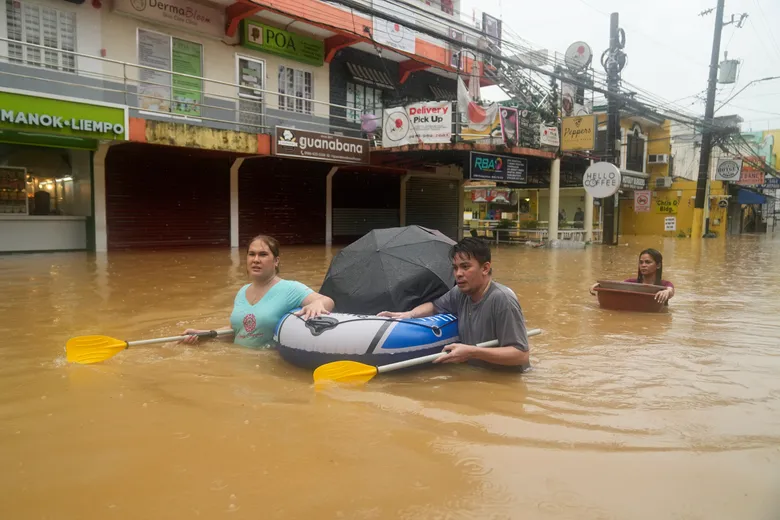
Torrential rain from the southwest monsoon combined with Tropical Storms Luis and Kujira has killed at least 19 people and left 4 missing across the Philippines, with roughly 2.27 million people affected nationwide. Benguet province took the worst of it (12 deaths, nine of them in Baguio) from landslides, while flooding and a fallen tree added four more deaths in Rizal province. Kujira made its second landfall over Magsingal, Ilocos Sur on August 6, and authorities have moved nearly 95,000 people into temporary shelters. Damage to infrastructure is estimated at around $23 million.
Not Purely a Weather Story
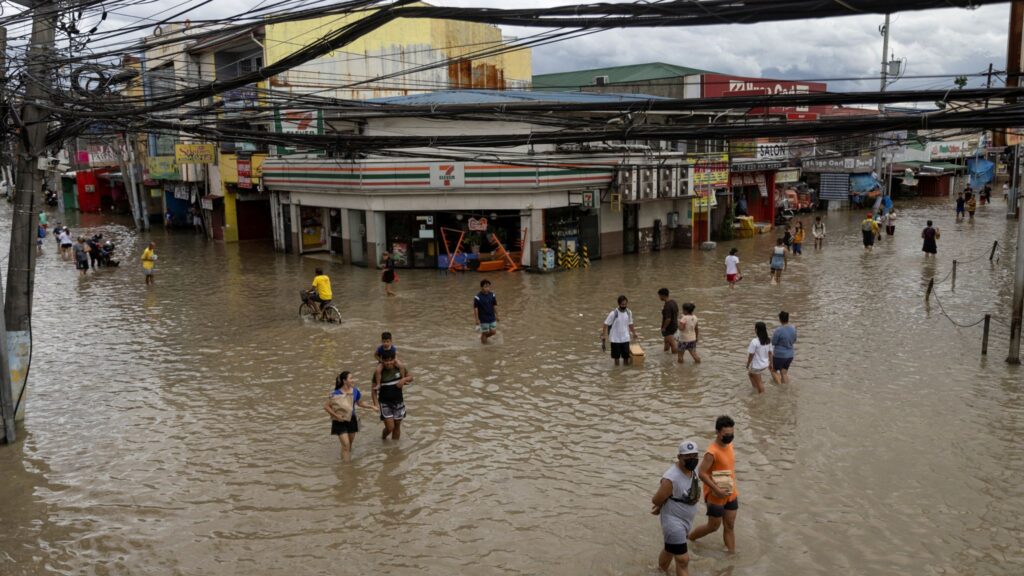
Local officials have leaned on “unprecedented rainfall” to explain the landslides, and the rainfall genuinely was extreme. But a lot of the worst-hit communities sit on hillside slopes that were developed without the drainage systems or retaining infrastructure that could have kept a heavy monsoon season from turning into a series of fatal landslides. That’s a pattern that shows up almost every time a major storm hits the Philippines’ rural hill provinces. The storm is the trigger, but decades of underregulated hillside development set the stage.
None of that makes the storm itself less real or less severe. It just means “natural disaster” isn’t the whole explanation for why the deaths keep concentrating in the same kinds of places.
🔥 Storm Flooding and Landslides Hit the Philippines:
What do you think? Should the Philippines prioritize stricter zoning on hillside development over disaster relief spending after the fact, or is that an unfair ask given the cost? Let us know your thoughts in the comments on BeezLoop.com!
Related from BeezLoop: Philippine Ombudsman Files 7.4 Billion Peso Plunder Case Against Former House Speaker Romualdez, 29 Arrested After Flood-Swept Bank Safe Looted in Nepal and Flash Flooding and Landslide Kill Two in Northwestern Spain.