

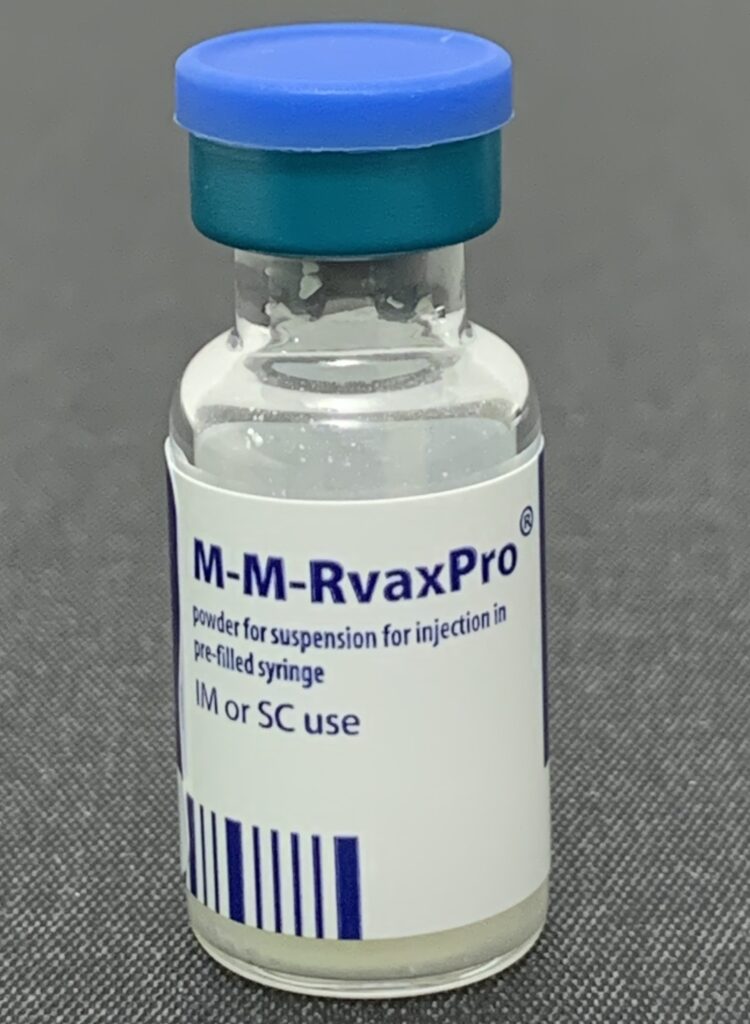
Measles has now killed at least 10 people in the U.S. this year, according to state health departments. Pennsylvania and Wisconsin each reported a new death on Friday: an unvaccinated adult in Montour County, Pennsylvania, and a child in Wisconsin, NBC News reported. At least four of this year’s victims were babies too young to be vaccinated.
The federal count is lower. The CDC lists six deaths. And next week the U.S. could officially lose the measles-free status it has held since 2000.

Why do states count 10 measles deaths and the CDC only six?
It comes down to definitions, and politics. Pennsylvania counts a death as measles-associated if someone with confirmed measles dies within 30 days of getting sick, unless something unrelated caused it. That’s the standard the CDC and the World Health Organization have long used. But Health Secretary Robert F. Kennedy Jr. asked CDC director Erica Schwartz not to count some of the deaths, saying there was no evidence they were caused by measles, Al Jazeera reported.

The CDC says its total is “subject to change” and that it’s working with state epidemiologists on a standard definition. We flagged this same gap in September, when the CDC counted one death and Pennsylvania counted four. It has only grown since.
Where are the measles outbreaks?
The CDC counts 5,412 cases in 45 states this year, more than double last year and the most since 1991, CIDRAP reported. Cases rose by triple digits for the 14th straight week. Here’s where it’s worst:
- Pennsylvania: 1,542 cases and 7 deaths. Kindergarten MMR rate: 92.7%.
- Wisconsin: 651 cases, up 174 in one week, and 2 deaths. Kindergarten rate: 85.1%.
- Ohio: 372 cases. Kindergarten rate: 88.1%.
- Indiana: 171 cases.
- Minnesota: 160 cases. Kindergarten rate: 85.7%.
- New York: 1 death, the state’s first from measles in more than 30 years.
For comparison, West Virginia, which doesn’t allow religious or philosophical exemptions, has a 98.9% kindergarten rate and just 2 cases. Health officials say a community needs about 95% coverage to stop measles from spreading. Nationally, kindergarten coverage has slipped from 95.2% in 2019-20 to 92.4%. And 96% of this year’s cases were in people who were unvaccinated or whose status was unknown.
Is the U.S. losing its measles-free status?
Probably. The Pan American Health Organization met this week, and its decision is expected Tuesday, Nov. 17. The Wall Street Journal reported the U.S. will lose the status after more than 12 months of continuous spread. Canada lost its status last year. “The United States is no longer a safe place for children in regards to measles,” said Noel Brewer of the University of North Carolina, who chairs the committee that reports to PAHO for the U.S.
What should you do?
- Two doses of MMR are about 97% effective. Kids usually get the first around age 1 and the second at 4 to 6.
- In high-case areas of Pennsylvania and Wisconsin, officials recommend an early dose for babies 6 to 11 months old.
- If you’re not sure you had two doses, ask your doctor or pharmacist. Adults can get vaccinated too.
- Measles starts like a cold, with fever, cough and red eyes, then a rash. If you suspect it, call your doctor before showing up so you don’t expose a waiting room.
It’s working where people act. Pennsylvania gave about 61,000 MMR doses in October, more than double its normal month, and its outbreak appears to be slowing.
The BeezLoop Take
Ten people, at least four of them babies, have died from a disease the U.S. declared eliminated 26 years ago. Whatever you think of the politics around vaccines, those numbers are real, and they’re reported by the states that buried them.
The federal government’s job is to count every death the same way, every time. Asking the CDC to leave deaths off the tally doesn’t make anyone safer. It just makes the danger look smaller than it is.
The open question: does losing measles-free status push vaccination rates back up, the way Pennsylvania’s outbreak did, or do the numbers keep falling?
Sources: NBC News · CIDRAP · Al Jazeera · NBC News (video)