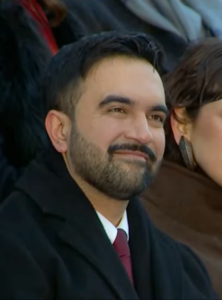

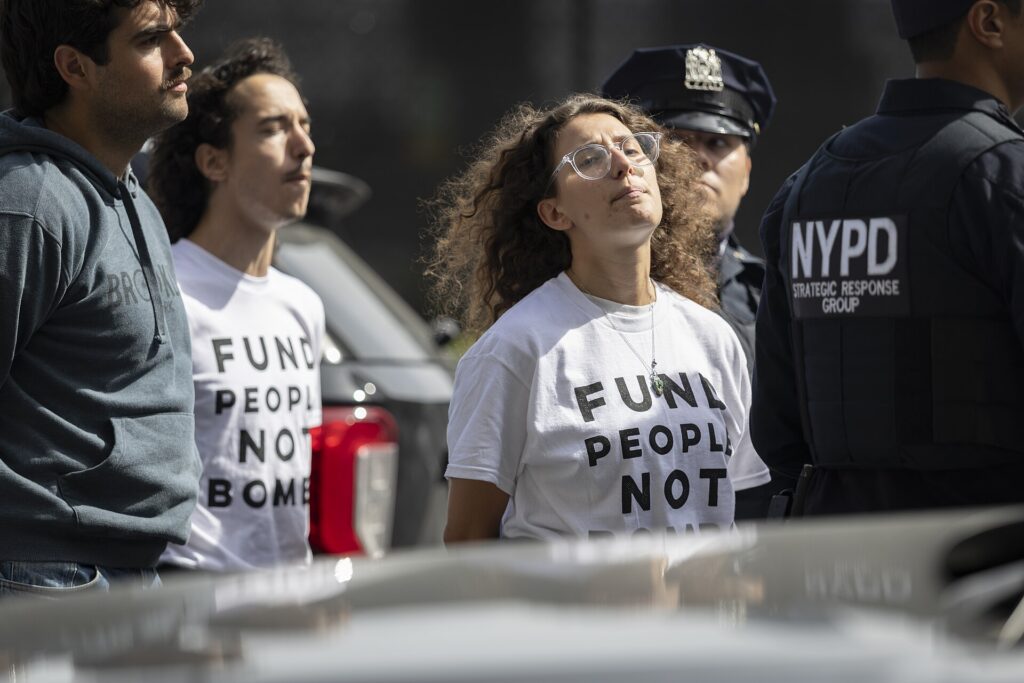
Mayor Zohran Mamdani and Police Commissioner Jessica Tisch announced Monday that the NYPD’s Strategic Response Group is being disbanded. The roughly 500-officer unit, created in 2015 for counterterrorism, became the face of the city’s protest policing, and critics accused it of excessive force. “New Yorkers exercising their constitutional right to protest should not be met with the same police response as a terrorism threat,” Mamdani said, CNN reported.
It’s a campaign promise kept. It’s also a test of whether a progressive mayor and a commissioner known as a tough-on-crime manager can agree on policing.

What is the NYPD Strategic Response Group?
The SRG was set up in 2015 to respond to terror threats and major emergencies. Over time it became the unit sent to big protests. During the 2020 racial justice demonstrations, the city’s Department of Investigation found the NYPD used excessive force and violated protesters’ First Amendment rights, and that the SRG played a “central role.” The unit has drawn complaints, lawsuits and expensive legal settlements since.

What replaces the SRG at protests?
The SRG’s job gets split in three:
- Counterterrorism, including heavy-weapons teams at critical infrastructure, moves to the NYPD’s Intelligence and Counterterrorism Bureau.
- A civilian-led Community Dialogue and De-escalation Division, with no weapons or arrest powers, will be the first contact at protests.
- A new First Amendment Support Team and a Patrol Support Division of vetted officers with crowd-control training will back them up.
And some tactics are banned outright at protests: kettling, where police box in a crowd; tear gas and long guns; pepper spray as a crowd-control tool. Acoustic devices are capped at 90 decibels, and officers can only use bicycles as weapons to prevent death or injury. The city says it won’t cost more money or change the size of the force.
Is New York safer or less safe without the SRG?
That’s the argument. Supporters of the unit, including police unions, say its specialized training makes it the best force for violent demonstrations. Tisch, who backed the change, drew her own line: “I would never support changes that diminish the NYPD’s ability to protect New Yorkers or that put our officers in a position where they lack the resources necessary to confront a serious threat.”
This is the latest in a string of Mamdani policing moves, after he replaced four members of the NYPD’s civilian watchdog board last month. It also mirrors a City Council bill from Councilmember Chi Ossé that Mamdani says he’s “proud to support.” For context on what the city spends on policing, see our look at police overtime.
The BeezLoop Take
Separating counterterrorism from protest response makes sense on its face. A crowd marching over a policy isn’t a terror cell, and the city has paid real money in settlements for treating it like one.
But the details will decide this. A civilian division with no arrest powers is an experiment, and New Yorkers will judge it on the first protest that turns violent. Tisch’s support gives it credibility; the results will have to keep it.
The open question: when the next big protest hits Manhattan, does the new structure keep both the marchers and the city safe, or does the NYPD end up rebuilding the SRG under another name?
Sources: CNN via KESQ · PoliticsNY · ABC7 New York (video)