
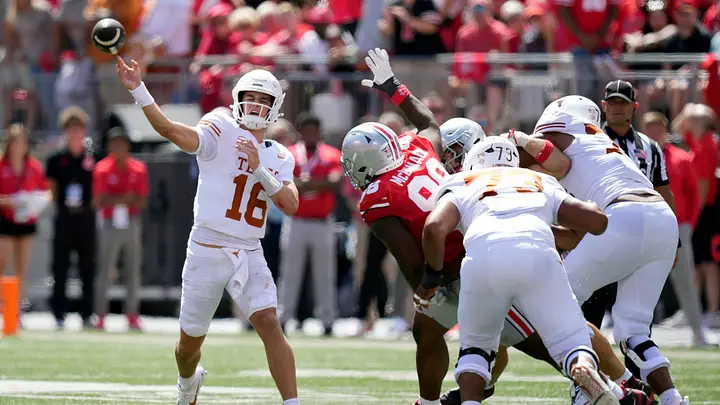
The SEC’s move to a nine-game conference schedule for 2026 is reshaping what the road to the College Football Playoff looks like this fall, with marquee non-conference and cross-division matchups. Texas hosting Ohio State on September 12, LSU traveling to Ole Miss on September 19 for Lane Kiffin’s return to Oxford, headlining an already loaded September slate.
Networks are billing it as one of the most stacked season openings in recent memory. It’s also the clearest sign yet of how thoroughly conference realignment has redrawn the sport’s geography over the past few years.
What Realignment Actually Changed
Texas and Oklahoma left the Big 12 for the SEC. USC and UCLA left the Pac-12 for the Big Ten. The Pac-12 itself effectively dissolved as a power conference. What used to be a set of regionally rooted leagues, built around geography, decades-old rivalries, and fans who could reasonably drive to away games, has consolidated into two coast-to-coast super-conferences built primarily around television reach and playoff positioning.

The upside is obvious in a schedule like this one: Ohio State-Texas and LSU-Ole Miss are genuinely excellent games that wouldn’t have existed in the old conference alignment. The tradeoff is that a lot of the regional rivalries and true road-trip games that gave college football its local identity have been diluted or lost entirely in the process.
A Bigger Playoff Changes the Stakes, Too
The expanded 12-team College Football Playoff means a marquee September loss no longer ends a team’s season the way it once did, a program can drop a game like Ohio State-Texas and still play its way into the bracket with a strong conference finish. That’s good for keeping more fanbases invested deeper into the season. It also means the September showcase games, however entertaining, carry less season-defining weight than the old-format rivalry games they’ve replaced.
🔥 Ohio State vs. Texas Preview:
What do you think? Do the bigger, more nationally televised matchups make up for what conference realignment cost college football’s regional identity? Let us know your thoughts in the comments on BeezLoop.com!
Related from BeezLoop: Texas Won at Neyland for the First Time Ever, Louisiana Judge Blocks NCAA From Punishing Schools That Sign Former NFL Players, Clearing… and A License Plate Reader Found J.R. Smith.