

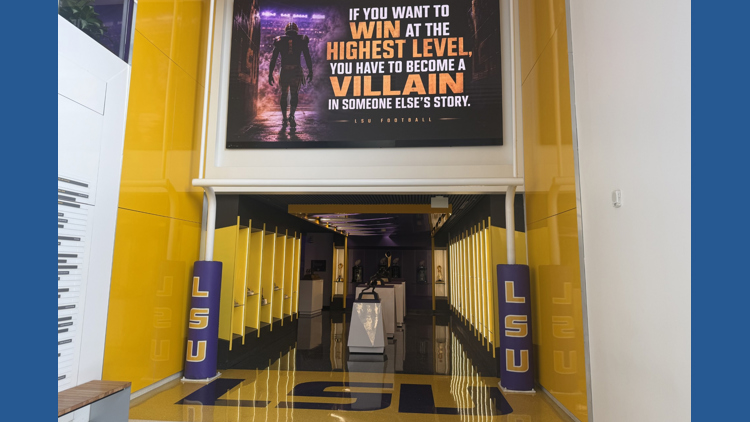
A Louisiana state court judge has blown a hole in the NCAA’s eligibility rulebook just hours before LSU had to submit its official roster, ruling that the association and the Southeastern Conference cannot punish schools for signing and playing former professional football players who are suing for a shot at one more year of college eligibility.
Judge William Jorden granted a preliminary injunction late Wednesday night on behalf of 42 athletes, including former New Orleans Saints defensive lineman Zxavian Harris and former Cleveland Browns tight end Dae’Quan Wright, both of whom have been in talks to join LSU’s roster under coach Lane Kiffin. The lawsuit argues the NCAA’s ban on athletes who signed pro contracts, even briefly, from returning to college sports violates state and federal competition law now that NIL money has already blurred the line between amateur and professional status.
The timing could not have been worse for the NCAA and the SEC, which had announced only days earlier that it would consider heavy penalties, including postseason bans, against any member school that fielded a former pro. LSU is already sitting out this postseason under a self-imposed bowl ban tied to a separate NCAA investigation, so the school has less to lose than most by testing the new ruling immediately.

What the ruling actually does
The injunction does not settle the underlying legal question of whether ex-NFL players are entitled to NCAA eligibility. It simply blocks the NCAA and SEC from disciplining schools while the case works through the courts, meaning LSU and potentially other programs can now list the athletes on their rosters without an immediate threat of sanctions. How many games any of them will actually be cleared to play remains an open question, since the NCAA can still appeal or seek an emergency stay.
For a governing body that has spent the past two years losing one legal battle after another over athlete compensation and transfer rules, this is another sign that its authority to police who counts as an amateur is eroding fast. Schools with deep NIL budgets already have an edge recruiting top high schoolers; if the courts keep opening the door to players with professional experience, the gap between programs that can pay to stack a roster and those that can’t is only going to widen.
The case now heads toward further hearings, and the NCAA has indicated it intends to keep fighting the ruling rather than accept it as a settled matter.
Sources: Associated Press · ESPN · Washington Times
Related from BeezLoop: College Football Opening Week Delivers Colorado's One-Point Escape and Miami's Blowout…, The Senate Capped What College Athletes Can Earn, Then Voted Down a Cap on Coaches 52-47 and Texas Won at Neyland for the First Time Ever.



[…] a Louisiana judge blocked the NCAA from punishing schools that sign former NFL players, the Big Ten moved to ban players from returning after NFL rosters, and Ted Cruz’s other bill, […]