
Commercial shipping traffic through the Strait of Hormuz has collapsed to roughly 5% of its pre-war average since the U.S. and Israel launched their offensive against Iran in late February, even as the U.S. Navy this week announced it had cleared the waterway’s main shipping lane of mines.
The Scale of the Drop
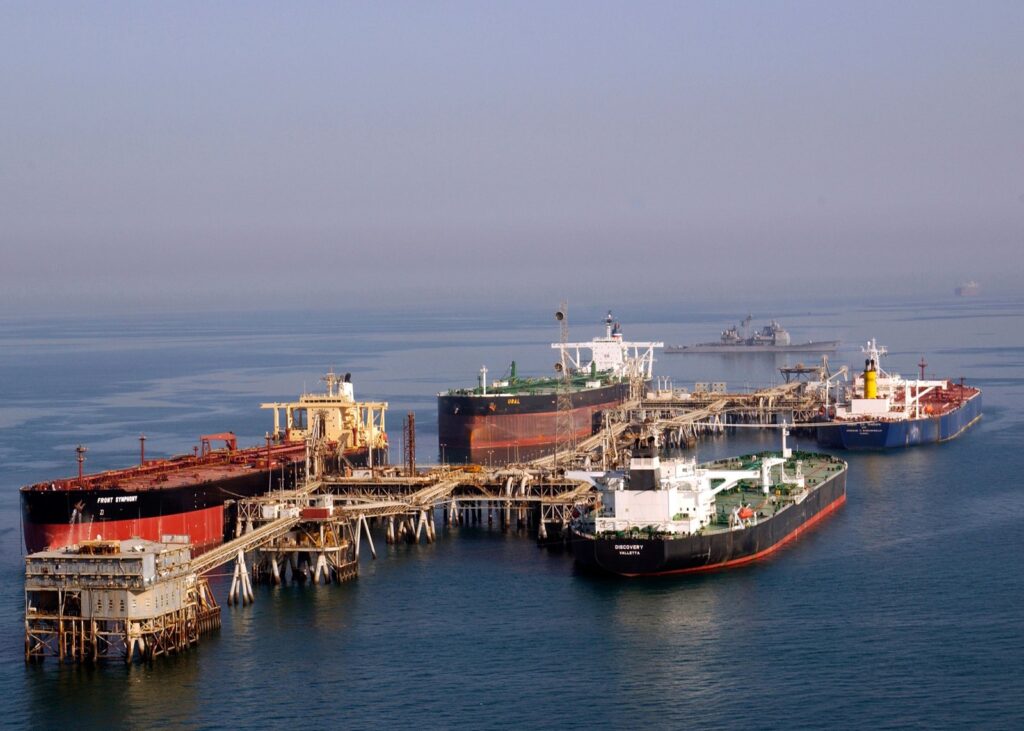
Before the war began, roughly 3,000 vessels passed through the strait each month, at a rate of about 88 to 130 ships per day. By mid-2026, traffic had fallen to around 10 vessels a day, with tanker traffic initially dropping about 70% in the war’s early weeks and more than 150 ships anchoring outside the strait to avoid the risk of transiting it. The strait normally carries roughly one-fifth of global oil consumption and about a quarter of the world’s seaborne oil trade.
Why Ships Have Stayed Away
Iranian mine-laying and drone activity in the strait made the waterway too risky for commercial shippers and their insurers, regardless of the U.S. Navy’s declared presence there. Shipping companies have been rerouting vessels thousands of miles around the Cape of Good Hope to avoid the region entirely, driving up shipping costs and contributing to fuel and refined-product shortages, particularly in Asia.
Whether the Mine-Clearing Changes Anything
The Navy’s announcement this week that it has cleared all mines from the strait’s main shipping lane, paired with Trump’s warning that any new mines will be immediately destroyed, is the most concrete step yet toward restoring safe passage. But shipping traffic collapsing to a trickle over the past several months shows how much confidence the industry lost during the conflict, and rebuilding that confidence, and the insurance rates and reshuffled shipping routes that came with it, is likely to take longer than clearing the physical minefield itself.
Related from BeezLoop: Trump Won't Say If US Struck Iranian Ship, Floats Keeping Iran's Oil Like Venezuela, US Military Strikes Three Iranian Oil Tankers After Alleged Missile Attack on Navy Warships and US Strike Hits Iranian Wedding, Killing Several People Amid Escalating Conflict.