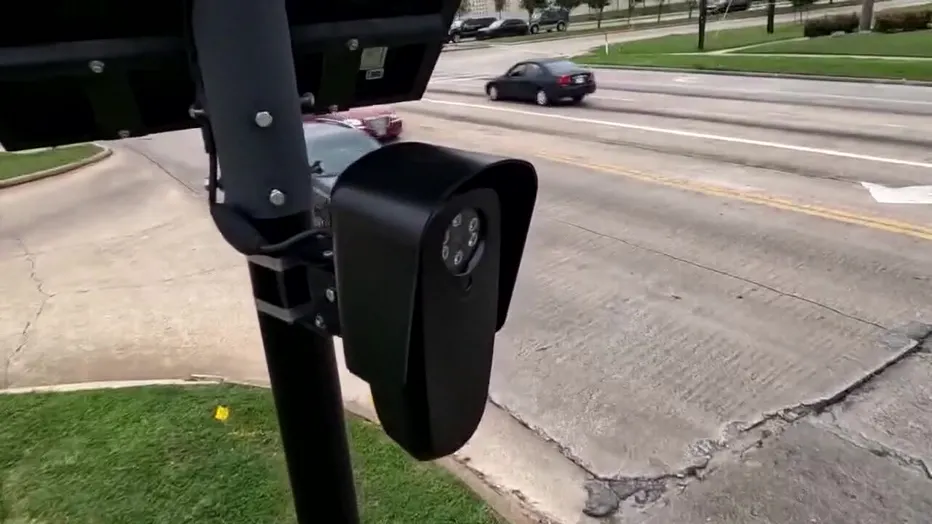
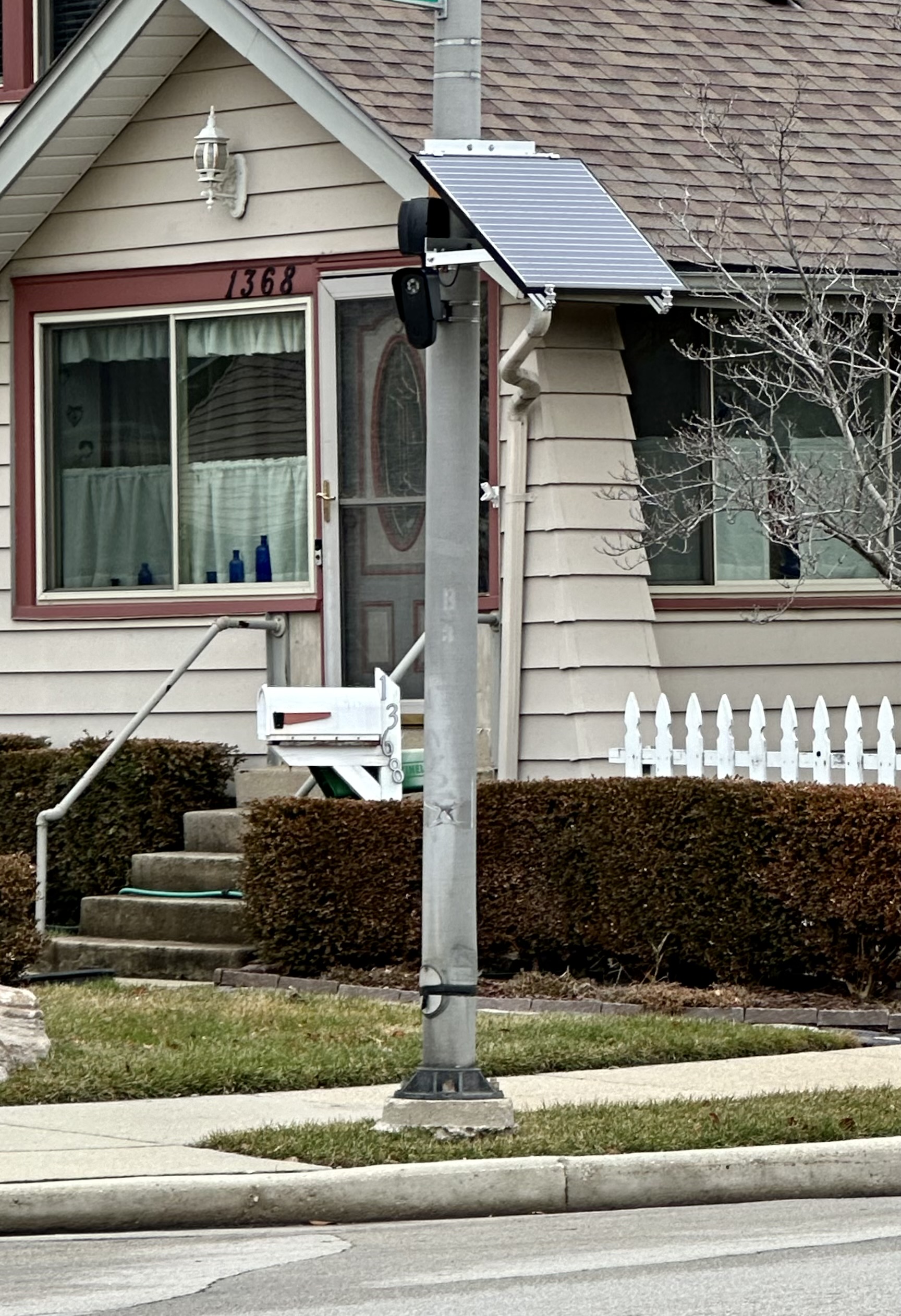
Flock Safety, the company behind more than 100,000 license plate-reading cameras across the country, is cutting about 18% of its workforce, roughly 270 people, as cities cancel contracts and a federal judge calls its technology “indiscriminate mass surveillance.”
Reuters reported the cuts Friday. Flock says it’s not a layoff. “This was a voluntary program, not a layoff,” spokesperson Paris Lewbel told TechCrunch, calling it part of positioning the company “for its next phase of growth.”
Why is Flock cutting jobs?
Because towns keep dropping it. Of the 214 cities that have ended Flock contracts since 2021, 90 did it in August alone, according to the advocacy group Secure Justice, Mother Jones reported. Flock, valued at more than $8 billion, may miss its revenue goals this year. Employees were offered buyouts in September and are leaving at the end of October.

The cancellations keep coming. This week the Village of Milford, Michigan, voted 7-0 to remove its last 10 cameras, following St. Clair Shores and Lincoln Park, WDIV reported. In Texas, the Kyle City Council voted 4-3 to cover its cameras. Florida banned Flock cameras from state highways in August.
What did the federal judge rule about Flock cameras?
This week, a federal judge in Oklahoma ruled that a sheriff’s deputy violated a woman’s Fourth Amendment rights by using license plate readers to pull a month of her location history. “Officers using these systems have access to a continuously updated location history for all vehicles caught on ALPR cameras within the network,” Judge Sara E. Hill wrote. “This is a type of indiscriminate mass surveillance.” It’s one of the first rulings on whether these searches are constitutional, though it isn’t binding on other courts.
Why are people against Flock cameras?
Dozens of police officers have been arrested, fired or forced to resign for using Flock’s system to search for and track people without a warrant, including former partners, TechCrunch reported. The cameras have misread plates and led to wrongful stops. Researchers have found cameras exposed on the open internet. And the data has been used for immigration searches and tracking drivers over time, often shared across departments, an economist wrote in The Conversation. At least three towns say Flock reinstalled or turned their cameras back on after they ended contracts.
Supporters point out the cameras do help find stolen cars, missing kids and suspects, and some police chiefs say they’ve solved serious crimes with them. The fight is over whether that’s worth a permanent record of where everyone drives.
The BeezLoop Take
The backlash is one of the few bipartisan movements in the country right now, with everyone from Josh Hawley to Bernie Sanders on the same side. That’s because the problem isn’t partisan. A private company built a nationwide tracking network, sold it to police with few rules, and officers used it to stalk people. Of course towns are pulling out.
License plate readers can be useful with real limits: warrants for searching location history, short data retention, audits of every search and no sharing with agencies that don’t follow the same rules. Cities shouldn’t have to choose between no cameras and no privacy. They should demand the rules first.
The open question: will Congress set national rules before the courts do it case by case?
Earlier: DeSantis ordered Flock cameras removed from Florida highways, and why Flock cameras are being vandalized across the country.
Sources: TechCrunch (citing Reuters) · Mother Jones · WDIV ClickOnDetroit · KXAN · The Conversation · Yahoo Finance (video)