

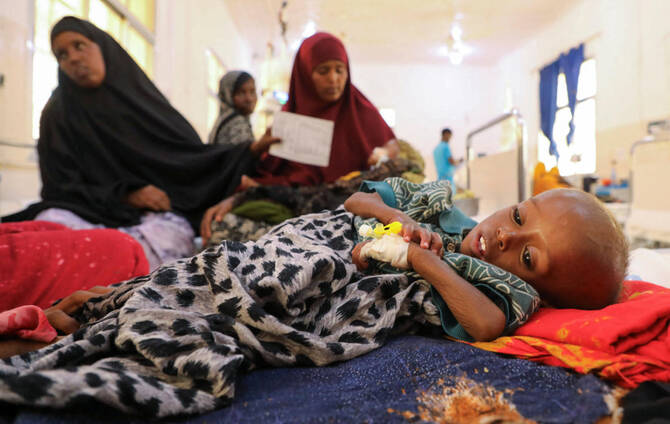
A malnutrition survey conducted by Médecins Sans Frontières in Baidoa‘s displacement camps has found that one in every two children screened is acutely malnourished, and one in four is severely malnourished, a rate MSF describes as far beyond the threshold of an extremely critical emergency. More than 21,000 children have been admitted to MSF’s outpatient malnutrition programs in Baidoa since the start of the year, more than double the same period last year, and the organization has tripled its bed capacity to keep up.
A third of families surveyed in the camps are surviving on one meal a day. Only 2% can manage three.
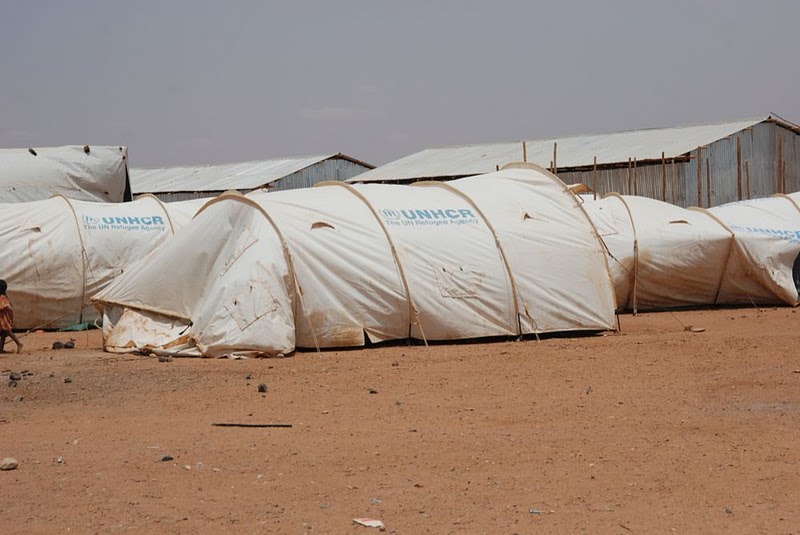
A Funding Problem, Not Just a Weather Problem
More than half a million people were displaced across Somalia in the first three months of this year alone, most driven by drought. But the crisis in Baidoa isn’t purely environmental. It has collided with a collapse in international funding at the exact moment need is spiking. Somalia’s humanitarian response plan was cut by 40% this year and, as of July, was still less than a third funded. Aid groups report funding drops of over 80% to some malnutrition programs specifically.

That’s the gap driving what’s happening on the ground: a documented, worsening emergency that aid organizations know how to treat, running into donor budgets that have been stretched thin by other global crises. The result isn’t abstract. It’s measured in bed counts and admission numbers climbing faster than the funding meant to support them.
🔥 Aid Cuts Threaten Lives in Baidoa:
What do you think? Should wealthy donor nations be required to maintain minimum humanitarian funding levels regardless of competing crises elsewhere, or is this an unavoidable tradeoff of limited global resources? Let us know your thoughts in the comments on BeezLoop.com!
Related from BeezLoop: The Government Paid to Run an Anti-Communism Ad the Same Week It Threw Xi Jinping a State…, Shaq Got an FBI Badge From Kash Patel and Gen Z Keeps Getting Told to Drop the Iced Coffee.