

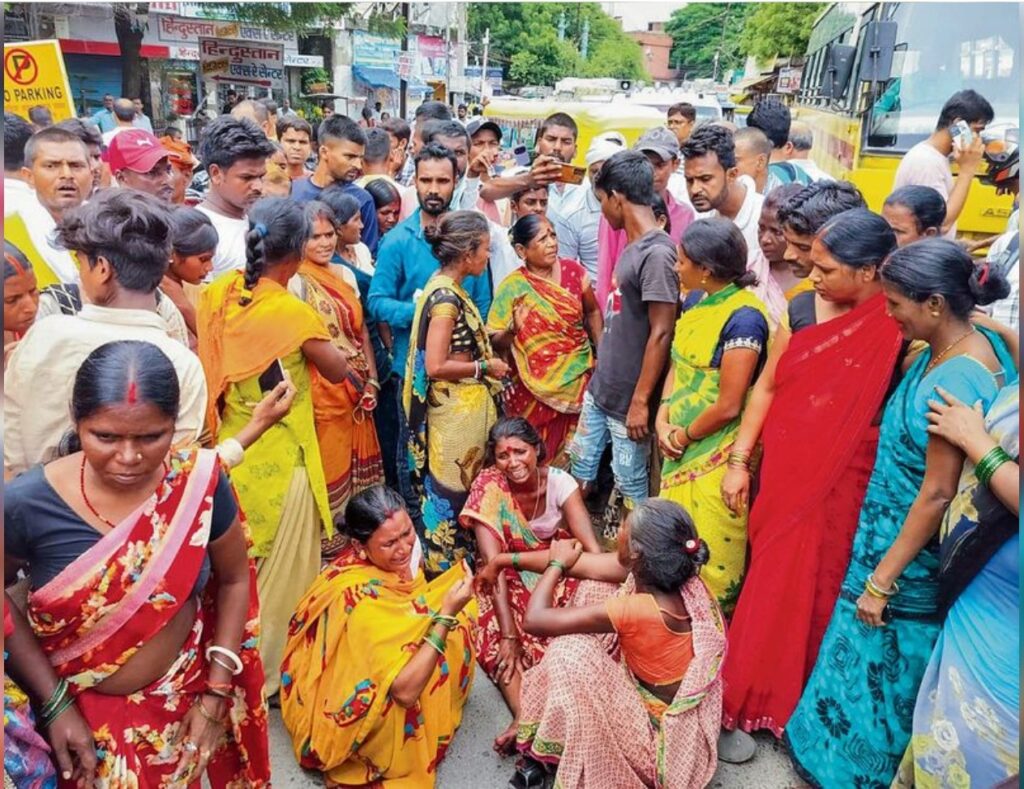
Seven people, all of them women, died and more than a dozen were injured in a stampede at the Ashok Dham Temple in Bihar‘s Lakhisarai district early Monday morning. Officials say a large crowd had gathered around 6:45 a.m. to mark the third Monday of the holy Shravan month when an electric wire snapped and fell, triggering panic. The crush that followed happened as the crowd was already swelling beyond normal capacity. Two trains had arrived within the same 15-minute window, funneling even more devotees toward the temple gate at once.
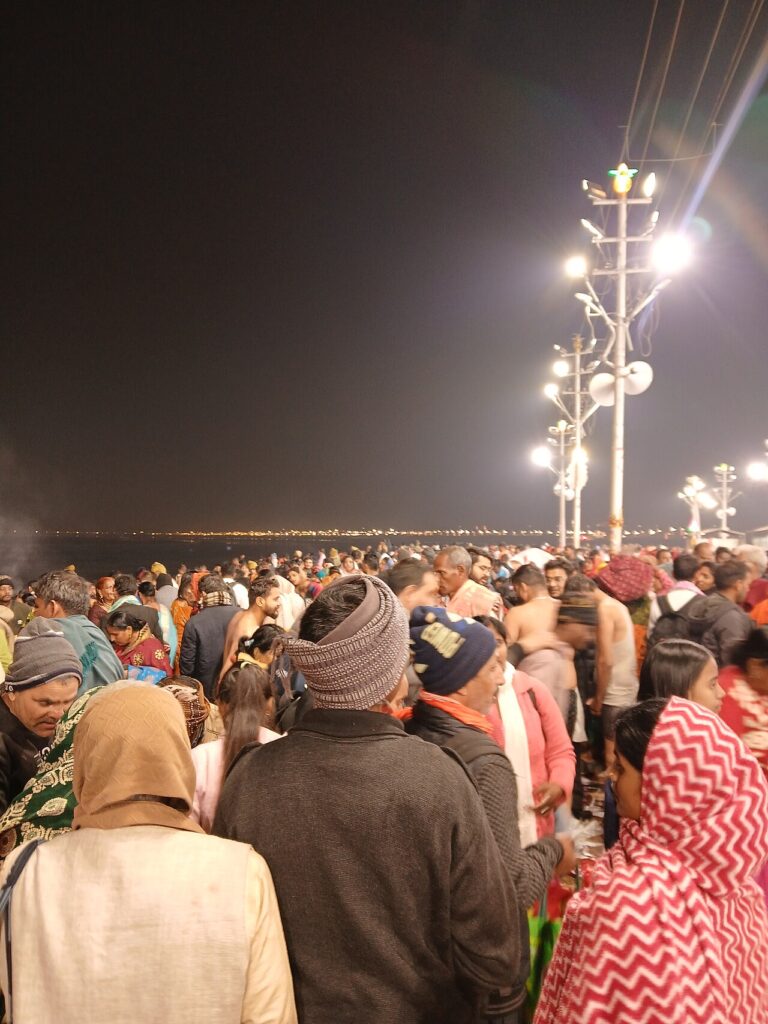
A Specific Failure, Not Just an Overcrowded Gate
It’s tempting to file this under the general, recurring category of pilgrimage-site overcrowding, and that pattern is real. India has seen it before. But the actual trigger here was more specific and, in some ways, more preventable: exposed or poorly maintained electrical wiring at a site expecting a massive seasonal crowd. That’s a maintenance and inspection failure, not simply a matter of needing wider gates or better barriers.
The train timing compounded it, but temple authorities and local transit officials both had visibility into the fact that Shravan Mondays draw enormous crowds to Ashok Dham. A falling wire shouldn’t be able to turn a scheduled religious gathering into a fatal crush. That’s a basic infrastructure inspection that got missed, at a site that had every reason to expect the day’s volume.
🔥 Stampede at Ashok Dham Temple in Bihar:
What do you think? Should India mandate independent electrical and structural safety inspections at high-traffic religious sites ahead of major festival days? Let us know your thoughts in the comments on BeezLoop.com!
Related from BeezLoop: "Dimagi Naxal Party" Instagram Account Goes Viral, Then Gets Suspended, Murthal Dhaba's Robot Waiter Is Going Viral and Short Circuit Blamed for Deadly Hotel Fire in West Bengal Pilgrimage Town.