
Every day, millions of people watch influencers share their morning routines and personal lives, building what researchers call a parasocial relationship: a one-sided bond where a follower feels genuine closeness to a public figure who has no idea they exist. Increasingly, that bond is being used to sell financial scams.
Why It Works
Research from Cambridge Judge Business School’s Alan Jagolinzer found that crypto and financial influencers tap into audiences’ need to belong, building tight-knit online communities where buying into a token or platform feels like joining a cause rather than taking a financial risk.
Pump-and-Dumps
In a pump-and-dump, promoters buy a low-value token, hype it aggressively on social media, and cash out once the price spikes on follower buying, leaving the rest holding a worthless asset. The 2021 token SafeMoon, boosted by celebrities including Jake Paul, Soulja Boy, and Lil Yachty, is a widely cited example.

Rug Pulls
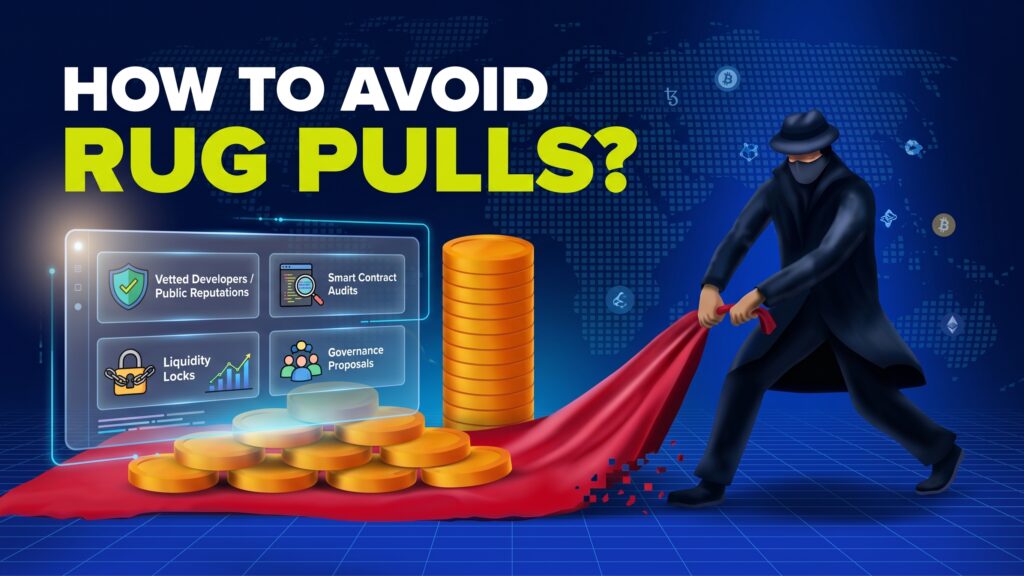
A rug pull is more direct: developers build a convincing project, collect investor money, then vanish with it. The 2021 Squid Game token (SQUID), capitalizing on the Netflix show’s popularity, rose from a fraction of a cent to nearly $2,862 before its anonymous creators disabled selling, deleted their accounts, and disappeared with roughly $3.3 million.
Offshore Gambling
Australia’s media regulator has investigated multiple influencers for promoting illegal offshore gambling sites, some reportedly paid tens of thousands of dollars per post in cryptocurrency, with individuals facing fines up to AU$2.4 million for helping followers access banned platforms.
Why It Keeps Happening
Much of this activity sits in a regulatory gray area that traditional securities fraud law wasn’t built for, and when a scheme is exposed, promoters often simply delete the posts, claim ignorance of how the project worked, and move on to a new niche, from crypto to supplements to “coaching.”
Related from BeezLoop: Bitcoin Is Down a Third From Its Record, The CLARITY Act Crypto Bill Faces a Make-or-Break Senate Vote: Here's Who Wins and Loses and AI Voice Cloning Scams Cost Families $2.3 Billion in 2026.