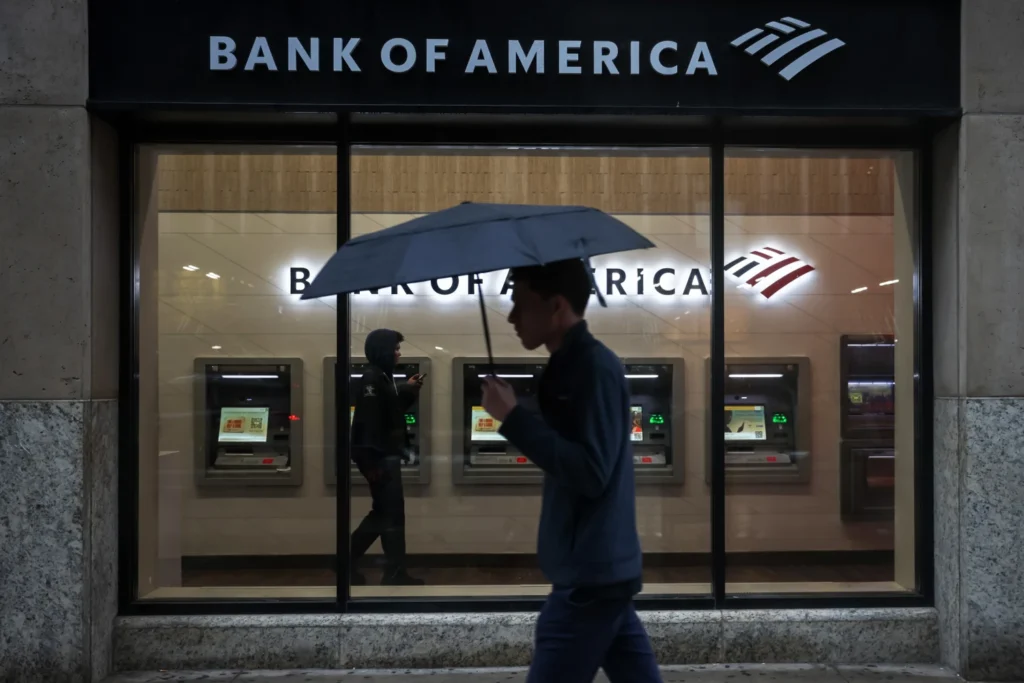
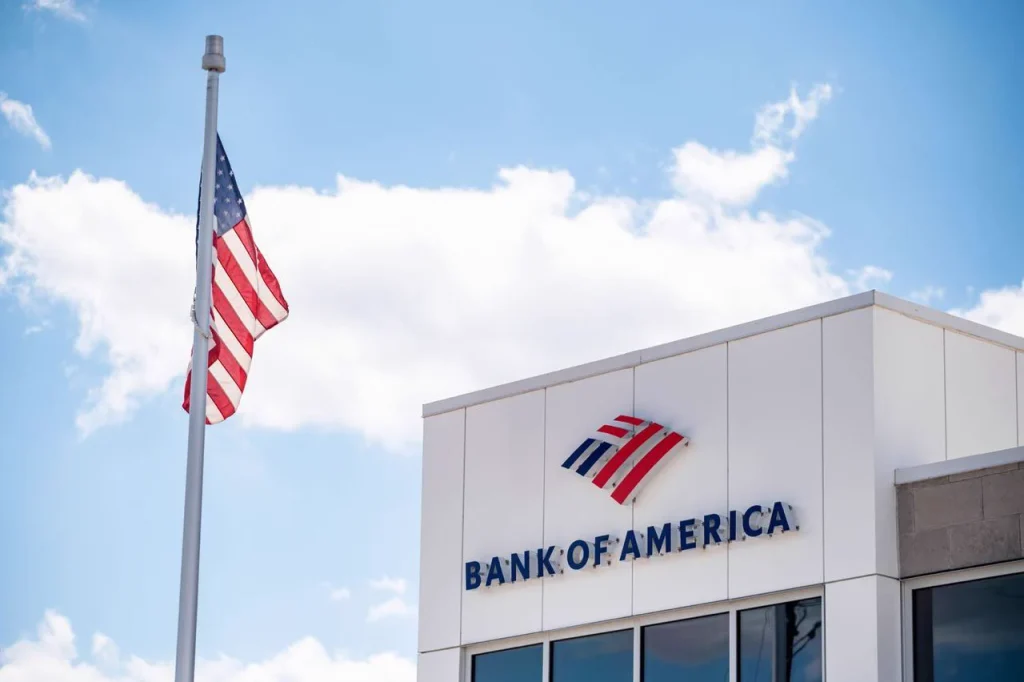
Bank of America will pay more than $1.2 billion in federal penalties after the Treasury Department found it failed for years to report more than $5 billion in suspicious transactions, including money tied to Chinese money-laundering networks and to the southwest border. The bank admitted it willfully broke the Bank Secrecy Act, the main U.S. anti-money-laundering law.
It’s the third-largest penalty in Treasury history and includes the biggest fine the Office of the Comptroller of the Currency has ever imposed on a bank, Treasury said Tuesday. “Today’s actions send a clear message that even the biggest financial institutions are not above the law,” said Treasury Secretary Scott Bessent.
Why was Bank of America fined $1.2 billion?
Banks are required to flag suspicious money moving through their accounts and report it to the government, so law enforcement can follow drug money, fraud and sanctions dodging. Treasury says Bank of America didn’t do that job. Instead of relying on its own systems, it leaned on tips from police and other banks, which “meant that the Bank effectively outsourced to third parties a substantial portion” of its duty to catch suspicious activity, the release said. Suspicious activity piled up uninvestigated, and reports went in too late to be much use.

Treasury also says the bank “prioritized its revenues and minimized the impact on its required compliance resources,” and ignored red flags, including possible narcotics proceeds, even after its own compliance staff raised concerns about trade-based money laundering and fraud. More than $1 billion of the unreported activity involved national security risks.
How is the $1.2 billion penalty broken down?
- FinCEN, $1.2 billion: the Treasury unit that enforces anti-money-laundering rules, for failing to report priority national security risks.
- OCC, $750 million: the bank regulator’s largest penalty ever, for a “deficient and ineffective” compliance program. It counts toward the $1.2 billion, not on top of it.
- OFAC, $11.6 million: a settlement over 475 apparent sanctions violations involving Russia, Belarus, Iran, Burma, Somalia, narcotics and terrorism programs, from payments routed through blocked banks to watchlists that weren’t updated.
The OCC said the bank was already under a December 2024 cease-and-desist order to fix the same problems, and more than a year later still wasn’t sending suspicious activity to investigators. Bank of America must now hire an outside firm to dig back through its records and report the transactions it missed, and submit to independent reviews focused on the border, cartels, Iran and Russia.
What does the Bank of America fine mean for customers?
For everyday customers, nothing changes. The penalties come out of the bank’s profits, not your account, and deposits remain protected by FDIC insurance up to $250,000 per depositor, per bank, per ownership category. Bank of America has more than 70 million clients, NBC News reported.
For shareholders, the bank said the penalties will mean a $1.2 billion charge in its third-quarter results that can’t be deducted from taxes, cutting earnings by about 17 cents a share, CNBC reported. The stock fell about 2% after hours. The bank reports earnings Wednesday morning. “Financial crime compliance is serious, and we are responsible for getting it right,” spokesperson Christa Robinson said, adding that the bank is “far along” in fixing the problems.
The BeezLoop Take
The most damning line in the government’s release isn’t the dollar figure. It’s that the second-biggest bank in America chose revenue over compliance and let cops and other banks do its detection for it. That’s not a glitch. It’s a business decision, and it was still going on a year after regulators ordered it fixed.
Credit to Treasury for making the bank admit willful violations instead of letting it settle without admitting anything. But $1.2 billion is about 17 cents a share for a bank this size. It also came five days after the OCC fined American Express $350 million over similar anti-money-laundering failures. Fines only work if they cost more than the shortcuts saved, and if regulators keep checking.
The open question: will anyone who made these decisions inside Bank of America be held personally responsible, or does the bill go to shareholders again?
Also on BeezLoop: what JPMorgan, Wells Fargo and Citi’s earnings say about your wallet.
Sources: U.S. Treasury · CNBC · NBC News · Office of the Comptroller of the Currency (Amex action) · FDIC