

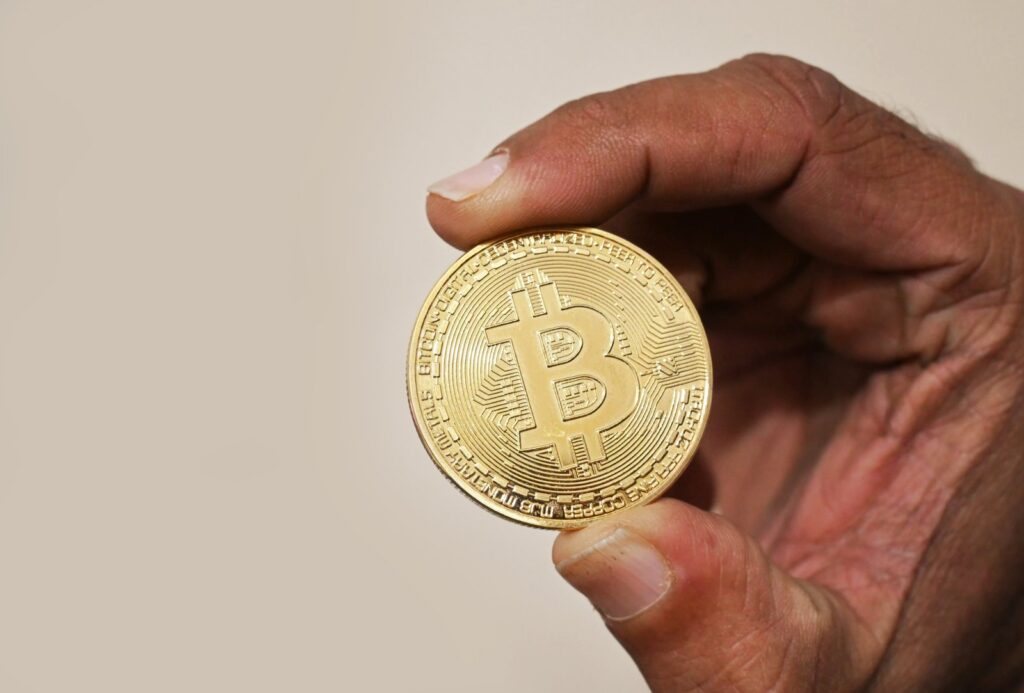
Bitcoin is trading around $84,000. Its record was $126,198, set on October 6 of last year. That is a drawdown of roughly a third, and the reason is not complicated: the Federal Reserve started raising interest rates again.
Where prices are
As of Tuesday morning, September 29:
- Bitcoin: about $84,000, with a market cap near $1.68 trillion. It was $83,068.75 at 11:35 a.m. Monday.
- Ethereum: about $2,670.
- XRP: about $1.49.
- Bitcoin is down roughly 26% year over year and about 33% from its all-time high.
These numbers move while you read them. Everything above is timestamped to Monday and Tuesday morning.

Why it is down
The single biggest factor has nothing to do with crypto.
On September 16, the Fed raised its benchmark rate by a quarter point to 3.75% to 4.00%. It was the first increase in more than three years, the vote was 12-0, and 16 of 18 officials signaled they expect another hike before year end. The driver is oil, which is elevated because of the standoff with Iran over the Strait of Hormuz.
Higher rates hurt assets that produce no income. When Treasuries pay you well to do nothing, the case for holding something volatile that pays nothing gets harder. The 10-year is at 5.24%.
That is the whole mechanism. It applies to bitcoin the same way it applies to growth stocks.
The part the industry does not want to discuss
Bitcoin was sold for a decade as an inflation hedge and digital gold, something you hold precisely because central banks debase currency.
Here is the test running in real time. Inflation is above the Fed’s 2% target. Oil is expensive. The central bank is tightening. This is the scenario the pitch was built for.
Bitcoin is down a third.
Meanwhile the flows tell a different story from the price. Coins keep moving off exchanges, which usually signals holders intending to sit tight rather than sell, and ETF inflows have continued. Fewer people are panicking than the chart implies. They are just underwater.
The BeezLoop Take
The honest answer to what is going on with crypto is that it is behaving exactly like a technology stock, and it has for years. That is not a crash, it is a correlation, and it is the most important thing an ordinary person can understand about this asset.
It matters because it invalidates the reason most people were told to buy. If bitcoin goes down when the Fed hikes and up when the Fed cuts, it is not a hedge against monetary policy. It is a leveraged bet on monetary policy, which is the opposite thing. Anyone holding it as insurance against inflation is holding an asset that fell by a third during the most inflationary stretch in years.
That is not an argument that it is worthless, and we would push back on the people treating a 33% drawdown as vindication. Bitcoin has done this repeatedly and recovered, the ETF structure has brought in buyers who do not flee at the first red month, and the on-chain flows suggest holders are sitting rather than capitulating. A third off the top is an ordinary year in this asset, which is precisely the point.
The practical version, for anyone whose retirement is not a hobby: an asset that can lose a third of its value because of an oil-driven rate decision is a position you size accordingly. That is true whether you think it goes to $250,000 or to zero. The mistake is not owning it. The mistake is owning an amount you chose while believing it would go up when everything else went down.
And watch the Fed, not the crypto news. Sixteen of eighteen officials expect another hike. If that lands, the thing that moves bitcoin next will be announced from a podium in Washington by people who never mention it.
The question
If bitcoin falls when inflation is high and rates are rising, what exactly is it hedging? And how many people currently holding it were sold a story that the last twelve months disproved?
Related: surveys say between 48% and 63% of Americans live paycheck to paycheck.
Sources: Fortune · CoinDesk · Federal Reserve, September FOMC · CNBC on the September rate decision