If your summer electric bill made you look twice, you weren’t imagining it. The average American household was projected to spend about $792 on electricity from June through September, up 10.5% from last summer’s $717, and this turned out to be the hottest summer on record in the lower 48. Water bills have been climbing for a decade, too, faster than groceries and faster than paychecks.
Summer cooling costs are up nearly 40% since 2020, according to the National Energy Assistance Directors Association, which tracks what families pay. “Families are getting hit from both sides,” said executive director Mark Wolfe. “Electricity prices continue to rise, and hotter summers mean households need to use more electricity simply to stay safe.”

Why are electric bills so high?
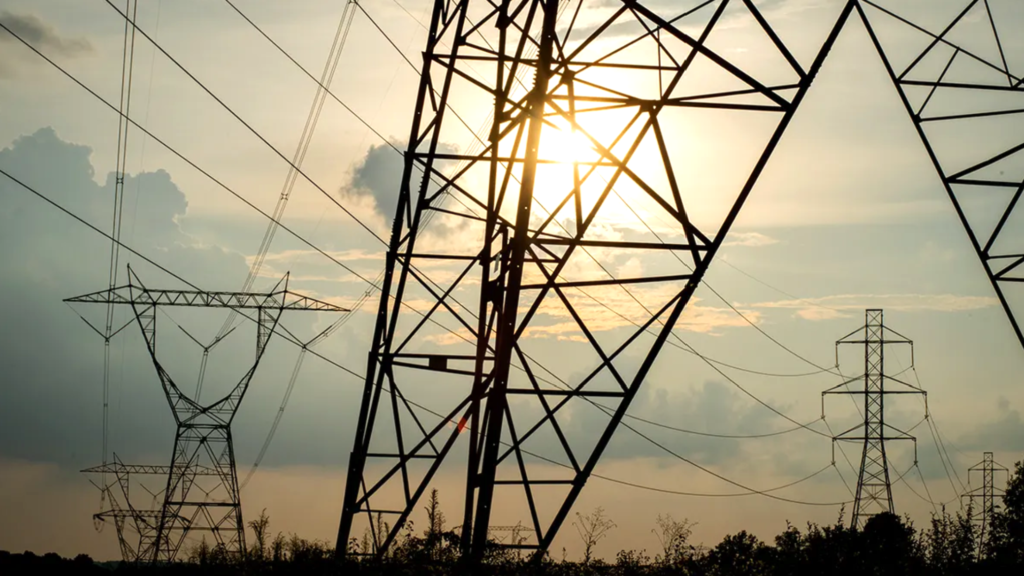
Two things at once: higher prices per kilowatt-hour and more hours of air conditioning. Prices are rising as utilities rebuild an aging grid and as tech companies build data centers to run AI, CBS News reported. The national average monthly electric bill rose about 23% from 2019 to 2024.

More increases are coming. Utilities asked regulators for $18.6 billion in electric and gas rate increases in the first half of 2026, including a record $9.2 billion in the second quarter alone, which could hit the bills of more than 56 million customers, according to PowerLines, a consumer group that tracks rate cases.
Where were summer electric bills the highest?
- Arizona: about $1,060 for the summer, up nearly 14%, the highest in the country.
- Connecticut: about $944, up roughly 11%.
- Texas, Oklahoma, Arkansas and Louisiana: the highest average bills of any region.
- Washington and North Dakota: the lowest, around $488.
Those are NEADA’s state projections for June through September, built from federal energy data and NOAA’s summer forecast.
Why do water bills keep going up?
Because cities are paying to fix old pipes and treatment plants, and passing it on. Between 2015 and 2025, the typical household drinking water bill at the 500 largest U.S. water systems rose 62%, Food & Water Watch found. That’s 1.6 times the rate of overall inflation, more than twice the rise in grocery prices and faster than median income. The average system charged a typical household $531 a year for drinking water in 2025, from as little as $133 to as much as $1,416, and that doesn’t include sewer.

What can you do about high utility bills?
- Ask about budget billing. Most utilities will average your bill over the year so summer doesn’t hit all at once.
- Apply for help before you fall behind. The federal Low Income Home Energy Assistance Program helps with heating and cooling bills, and many water utilities have their own assistance plans.
- Show up when rates are set. Rate increases go through your state utility commission or city council, and public comment periods are open to anyone.
- Check for leaks and old AC filters. A running toilet or a clogged filter quietly adds up for months.
The BeezLoop Take
Families didn’t suddenly get wasteful. They’re paying more per unit and running the AC longer because summers keep getting hotter. And the reasons prices are rising, aging pipes, grid upgrades, data centers, are decisions made by utilities and regulators that most families never hear about until the bill comes.
One in six households is already behind on utility bills, NEADA says, and utilities shut off electric service about 13.5 million times in 2024. That’s not a personal budgeting problem. When the cost of keeping the lights and water on rises faster than wages for a decade, it’s a policy problem, and whoever approves these rate increases should have to explain them to the people paying.
The open question: should the AI companies driving up power demand pay more of the grid upgrades, instead of every household?
How were your bills this summer? Tell us in the comments. Also on BeezLoop: summer 2026 was the hottest on record in the lower 48, and the House vote to stop AI data centers from raising your power bill.
Sources: National Energy Assistance Directors Association · CBS News · PowerLines · Food & Water Watch · 11Alive (video)