

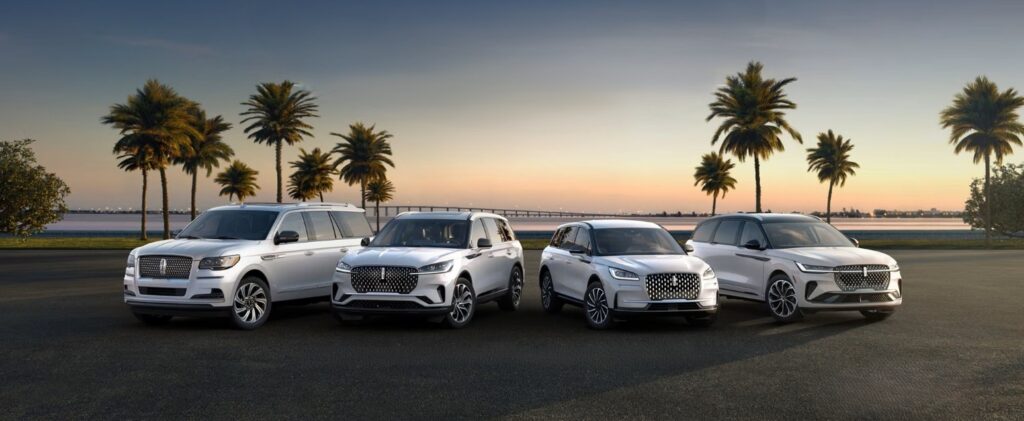
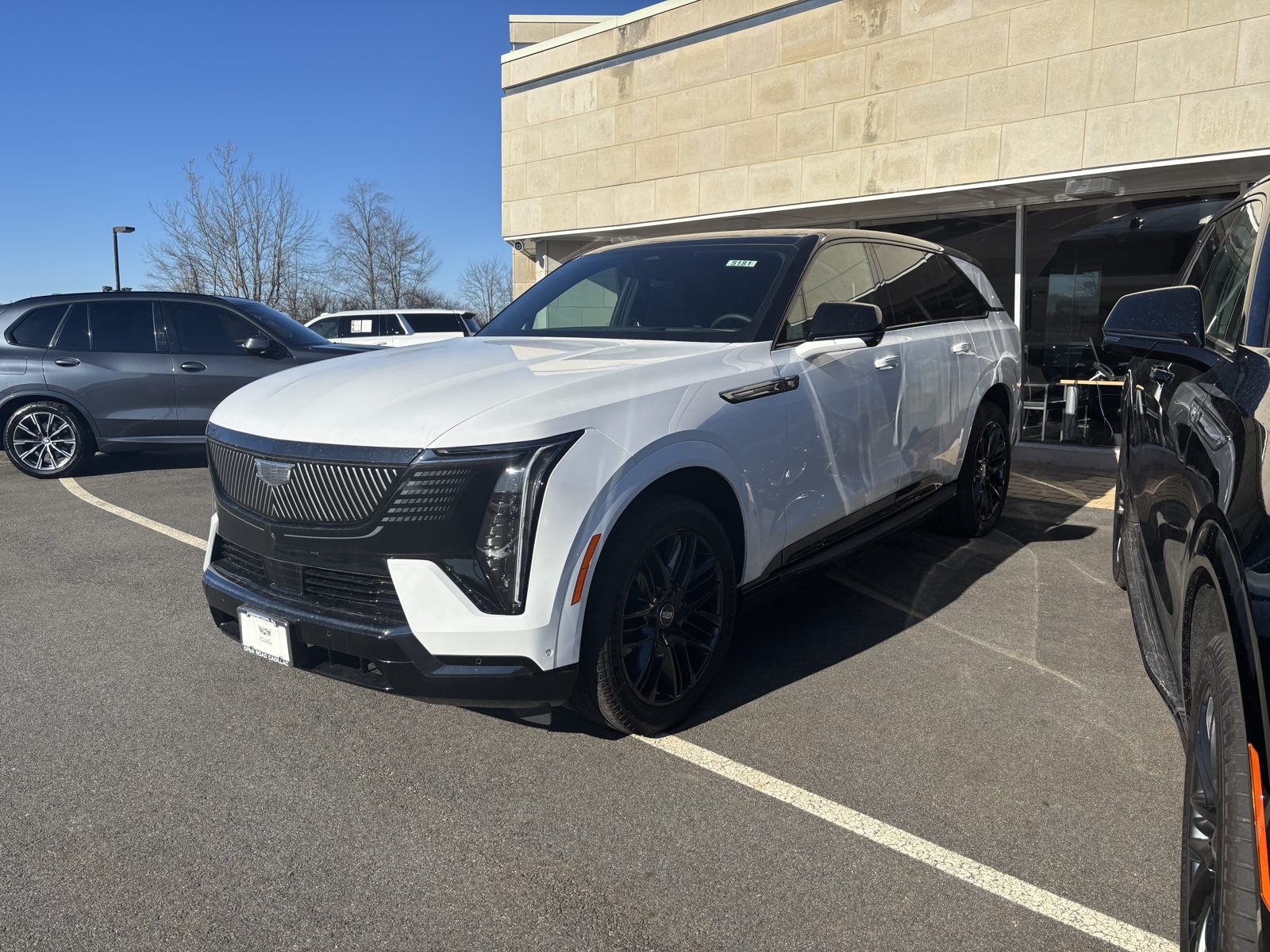
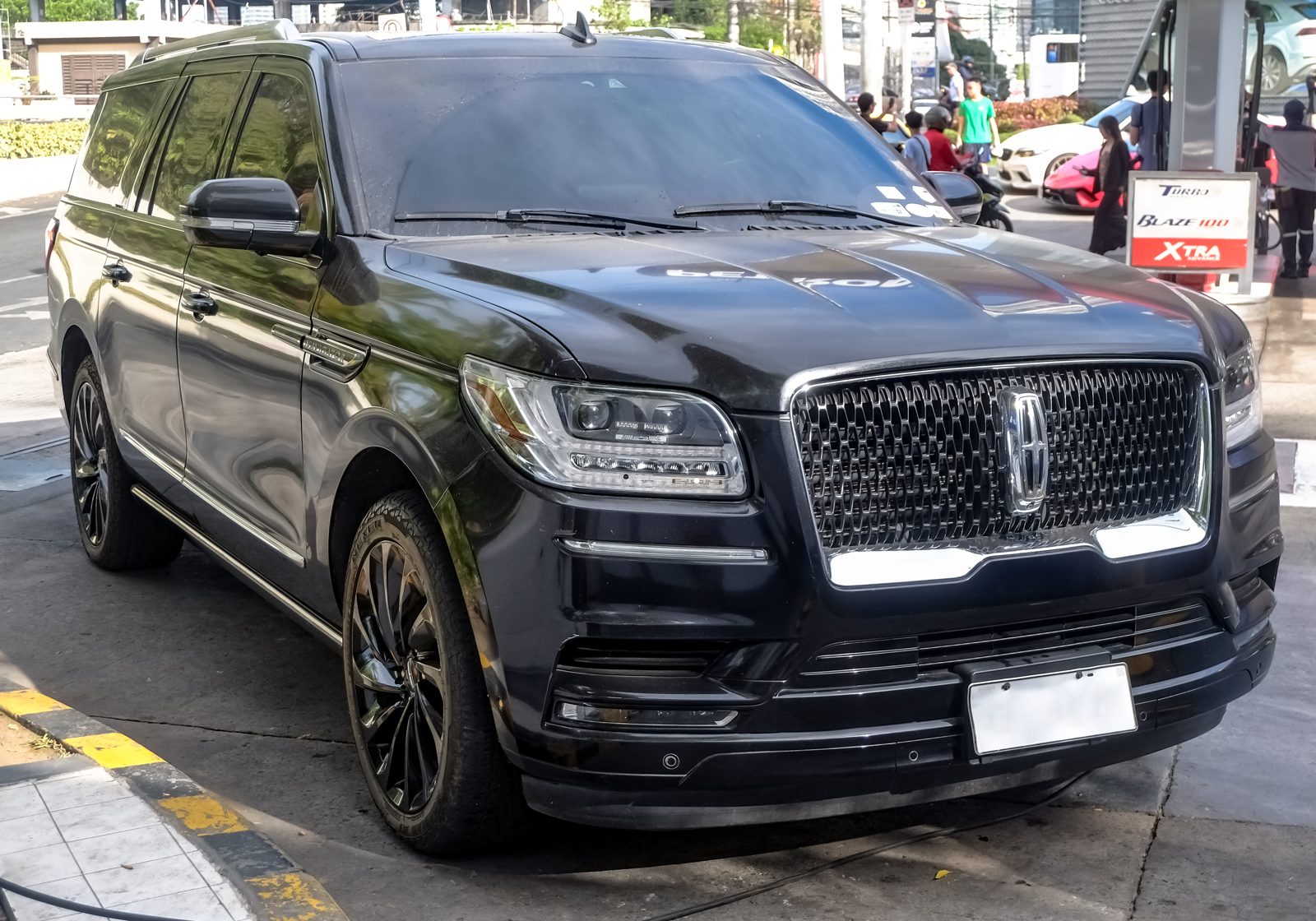
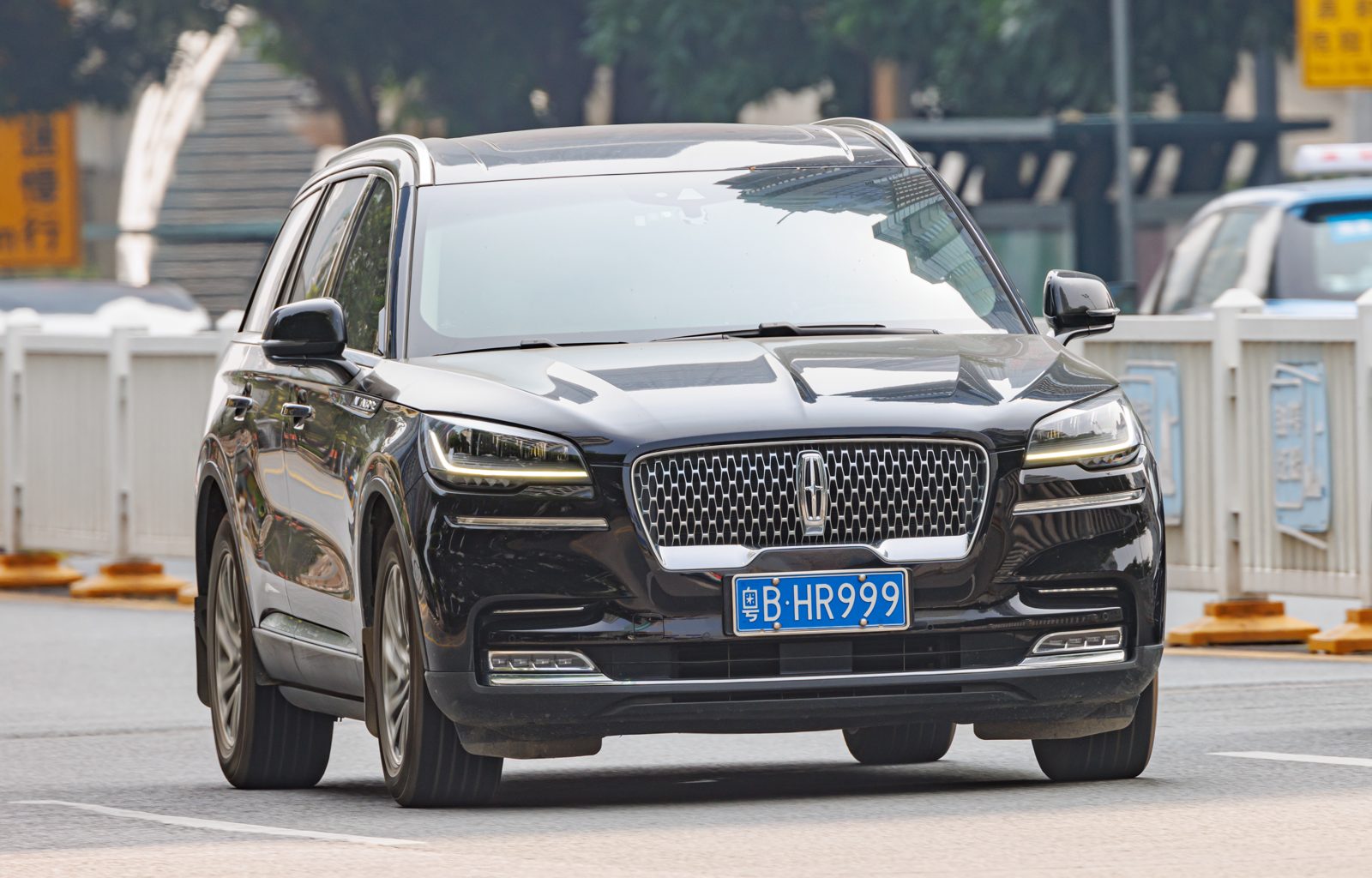
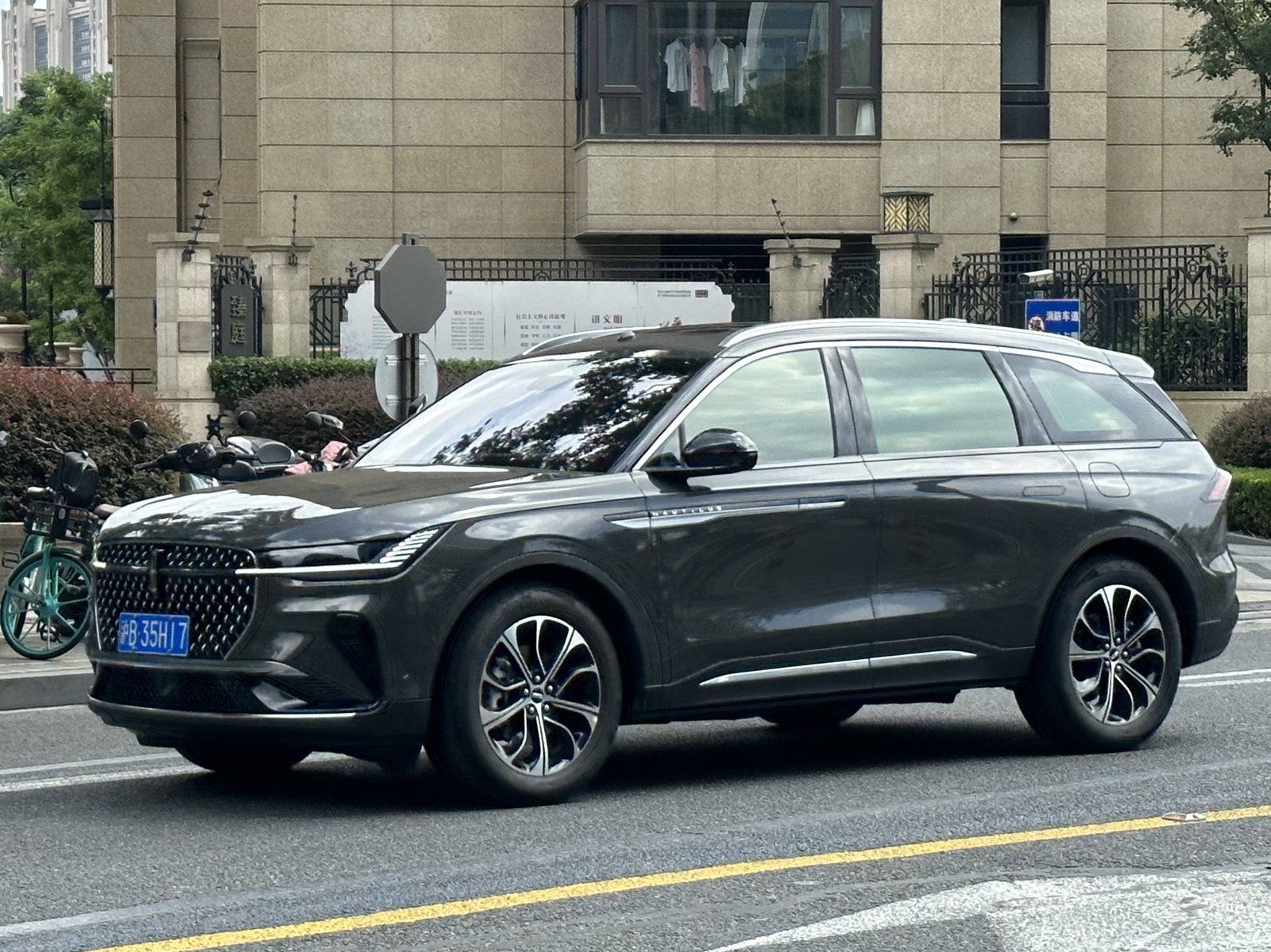
Surveys consistently show Americans say they want to buy American. A 2026 Cars.com survey found 57% of respondents said they would pay more for a vehicle that creates US jobs, and 42% said tariffs have made them more likely to seek out an American-made car. But when it comes to luxury vehicles specifically, that sentiment is not translating into sales for Cadillac and Lincoln, America’s two flagship luxury brands.
The Numbers Do Not Lie
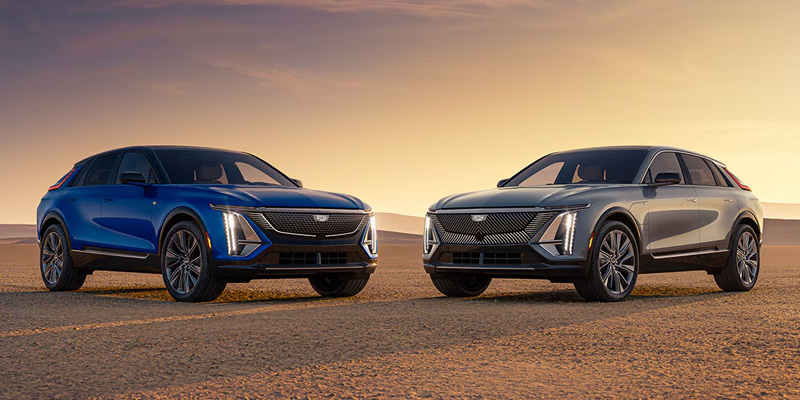
Cadillac’s US sales fell 19% to 36,000 units in the second quarter of 2026, and its customer satisfaction score dropped 13 points from 2025 to 2026, the largest decline of any luxury brand measured. One recent ranking bluntly called it “America’s worst luxury brand, by far.”
Do you currently drive an American car or a foreign car?
10 votes
Reason One: They Got Rid of the Affordable Options
Cadillac discontinued the CT4 and XT4, meaning its cheapest model is now the $46,595 XT5. The CT5 sedan, which started at $37,890 when it launched in 2020, now starts at $52,220. Lincoln’s entry-level model runs $48,790. Both brands built their reputations on offering attainable luxury; both have walked away from that, right as buyers say durability, reliability, and value matter more than ever.
Reason Two: The Reliability Gap Is Real, But Complicated
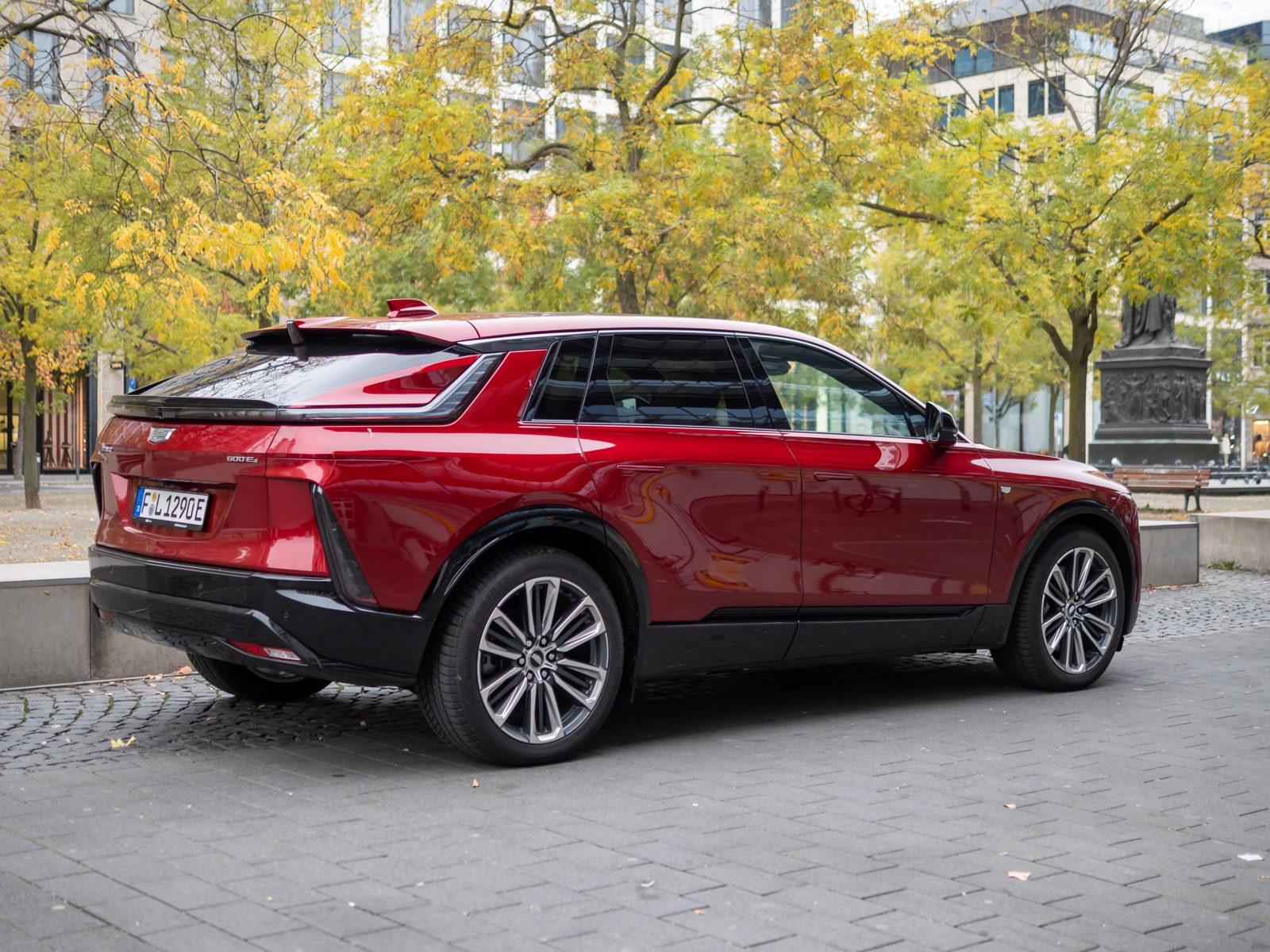
By at least one 2026 dependability study, Cadillac actually ranks second among all luxury brands, behind only Lexus, with 175 problems per 100 vehicles versus Mercedes-Benz’s 235. Lincoln fares worse, landing 18th out of 29 brands overall with 217 problems per 100 vehicles. So the perception that American luxury brands are unreliable is not entirely fair to Cadillac specifically, but the data on Lincoln backs up the reputation, and neither brand has managed to convince buyers of it.
Reason Three: They Depreciate Fast
Even when American luxury cars sell, they do not hold value. The average Cadillac is worth only about 75% of its original value after three years, and Cadillac ranks among the five worst-depreciating luxury brands at the five-year mark. Lincoln holds value well for its first three years, then loses nearly 45% of its value by year seven. Resale value is one of the clearest signals of how a market actually values a brand, independent of what surveys say.
What Owners and Enthusiasts Say
On dedicated forums like TheLincolnForum.net, longtime owners describe a familiar tension: Cadillacs are seen as having “faultless mechanicals” but less refined build quality, while Lincolns are “built like bank vaults” with more curious engineering choices. Neither description reads like a brand confidently leading its category, and both track with a broader consumer perception that German and Japanese luxury brands have simply out-executed Detroit’s luxury divisions since the 2000s.
So Are the Chinese Actually Better at Building Cars Now?
Globally, yes, and the trend line is dramatic. Three Chinese automakers, BYD, Geely, and Chery, broke into the global top 10 by market share in the first half of 2026. BYD’s global share has grown from 0.6% in 2016 to 4.8% today, and it has now passed Ford in total global sales volume. Geely went from 1.5% to 4.6% over the same period. Toyota still leads worldwide with 11% share, but the growth curve for Chinese manufacturers over the past decade has no real precedent among legacy automakers.
A Closer Look at Two Chinese Models Making Noise
Two cars illustrate why China’s rise is not just a numbers story. The BYD Seal, a mid-size electric sedan, and the Xiaomi SU7, the phone maker’s first car, have both drawn direct comparisons to the Tesla Model 3 from independent reviewers.
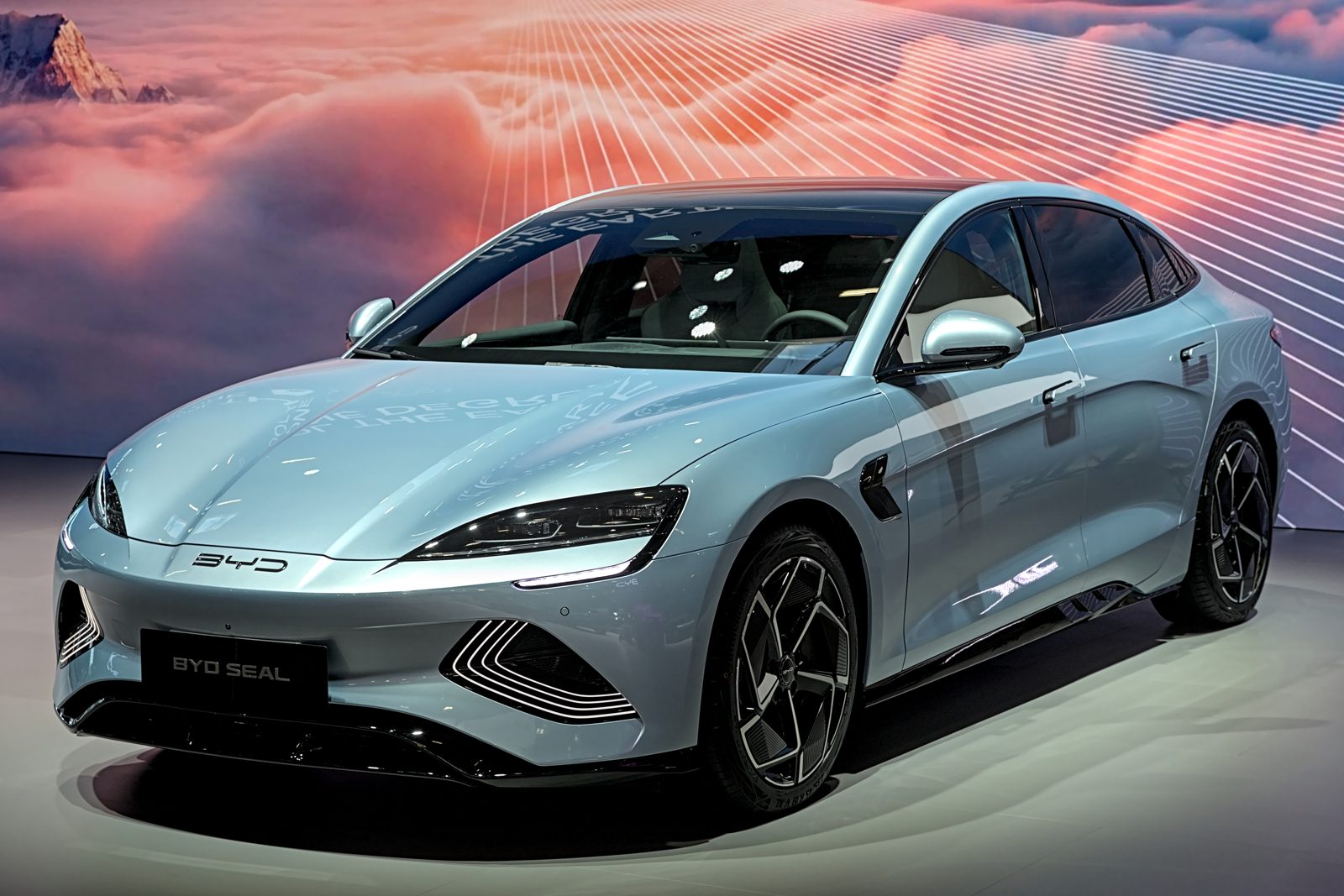
Reviewers testing the BYD Seal against the Model 3 have generally found it holds up well or better: one widely cited YouTube comparison found the Seal’s interior build quality “on the same level as high-end German car brands such as Audi,” with standard Apple CarPlay and Android Auto that the Model 3 lacks, and an all-wheel-drive version that is both cheaper and slightly quicker in drag tests.
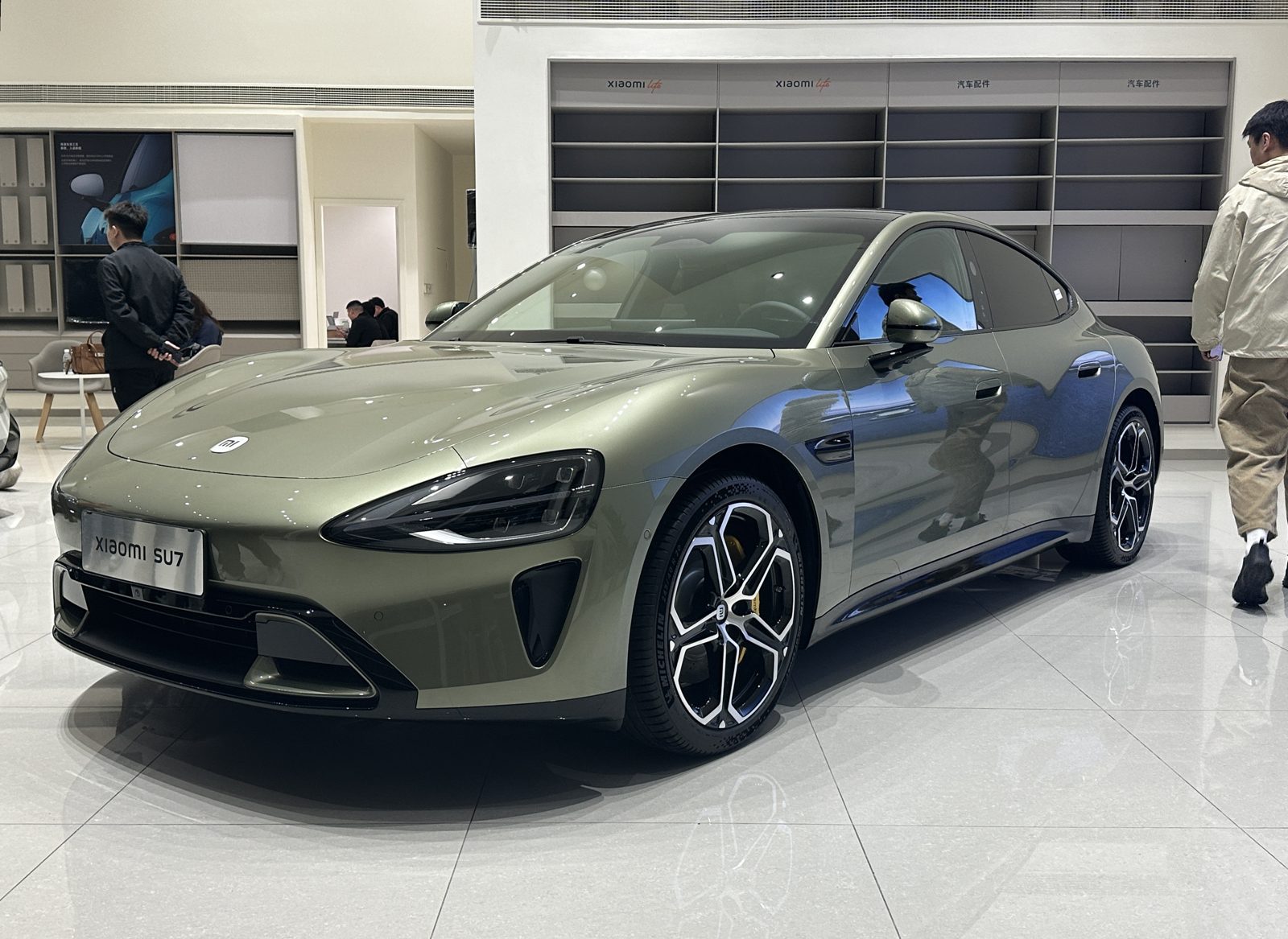
The Xiaomi SU7 has been an even bigger phenomenon domestically. Xiaomi, better known in the US for phones and smart-home gadgets, entered the EV market and quickly became one of the fastest-selling new cars in Chinese history.
The scale of demand has been dramatic in its own right. Xiaomi founder and CEO Lei Jun has repeatedly used his own X account to announce order milestones as they happen:
Neither the Seal nor the SU7 can legally be purchased new in the United States. Both exist for American car shoppers only as import reviews and comparison videos, which is exactly why so much of the domestic conversation about “Chinese cars” is still happening secondhand, through YouTube and TikTok, rather than at a dealership.
Even Tesla’s Own CEO Has Said the Quiet Part Out Loud
Elon Musk once dismissed BYD outright: asked about the company as a competitor in a 2011 interview, he laughed and asked, “Have you seen their car?” By 2024, on a Tesla earnings call, his tone had changed entirely. “Frankly, I think, if there are not trade barriers established, they will pretty much demolish most other car companies in the world,” Musk said, calling Chinese automakers “the most competitive car companies in the world.”
Why That Does Not Mean They Are Taking Over America
Chinese EVs are effectively locked out of the US market by design. The US imposed a 100% tariff on Chinese-made EVs in 2024, driven by both national security concerns over connected-car data and economic protection for the domestic auto industry, a policy with bipartisan support in Washington. BYD is currently suing the US government over the tariffs, arguing they are not legally valid, but for now, brands like BYD, Xiaomi, and Zeekr can only be experienced by American consumers through imported reviews on YouTube and TikTok, not in dealership lots.
The Real Takeaway
The two stories are connected but distinct. Cadillac and Lincoln’s struggles are largely self-inflicted: rising prices, discontinued affordable models, and decades of ceding ground to BMW, Mercedes, and Lexus on both reliability perception and resale value. China’s rise is a separate, much bigger structural shift in the global auto industry, one that is reshaping markets in Europe, Latin America, and Southeast Asia right now, even while US tariffs keep that competition out of American showrooms for the time being.
Related from BeezLoop: The Government Paid to Run an Anti-Communism Ad the Same Week It Threw Xi Jinping a State…, China Weighs a Bid to Host the 2028 UN Climate Summit and Peter Navarro's AI-Powered Tariff Whack-A-Mole.