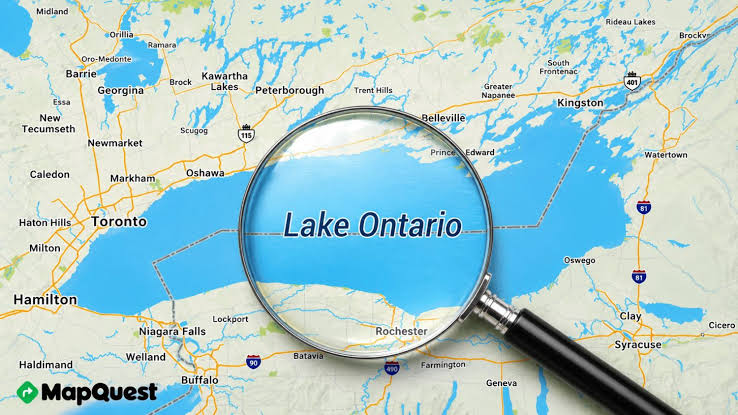
MapQuest is the No. 1 free app in the Apple App Store after declining to rename Lake Ontario “Lake America” the way Google and Apple did. For a brand most people last thought about in the era of printed driving directions, refusing to make a change turned out to be the most effective marketing it has run in years.
What MapQuest actually said
“We took the same approach we did with the Gulf of Mexico: be part of the conversation, and give people an app that keeps the names they’re familiar with,” said Doug Berger, MapQuest’s general manager. The company also shipped a tool letting users rename the lake to whatever they want, which converted a political flashpoint into a small piece of software people could play with.
Why the bigger companies moved the other way
Apple and Google both pointed to the U.S. Geographic Names Information System, the federal place-name database, saying their practice is to follow official government sources for a user’s jurisdiction. Both now show “Lake America” to U.S. users while Canadian users still see Lake Ontario. The asymmetry in risk explains the split in behavior: Apple and Google have enormous regulatory and commercial exposure in the U.S., while MapQuest has comparatively little to lose and a great deal of attention to gain.
Whether a No. 1 ranking means much
Worth keeping in proportion. App Store rankings measure download velocity over a short window, not active users or revenue, so a burst of protest downloads can top the chart without displacing anyone’s daily habits. Turn-by-turn navigation is also a category with unusually strong lock-in, since Google and Apple Maps are preinstalled, deeply tied to their ecosystems, and backed by data operations MapQuest cannot match. The interesting result here isn’t that MapQuest is winning; it’s that a decades-old brand found that declining to do something was worth more attention than any feature it could have shipped.