
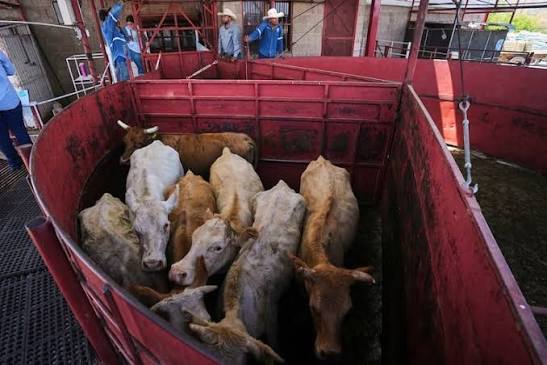
The U.S. reopened a border crossing in Douglas, Arizona, to cattle imports from Mexico this week, the Trump administration’s latest move to try to bring down record-high beef prices, though economists are skeptical it will move prices much in the short term.
Why the Border Was Closed in the First Place
The administration closed the border to Mexican cattle in May 2025 over the spread of New World screwworm, a flesh-eating parasite that had been detected moving north through Mexico and posed a threat to U.S. herds. The USDA is now reopening crossings gradually, starting with Douglas, with additional crossings in New Mexico and Texas expected to follow over time.
A Separate Beef Import Quota
Trump separately announced the U.S. will allow 300,000 metric tons of ground beef to enter the country over 90 days without the tariffs that would normally apply above quota, with the administration saying it wants those imports sold at around 25% below current market prices.

Why Beef Prices Are So High
The U.S. cattle herd fell to 86.2 million head as of January 1, the smallest national herd in 75 years, the result of years of drought, high feed costs, and ranchers liquidating herds rather than rebuilding them. Mexico has traditionally supplied around 1.1 million head of cattle a year to the U.S., roughly 3% of total supply.
Why Economists Aren’t Convinced Prices Will Drop Soon
Because the reopening is being phased in crossing by crossing, and because Mexican imports made up a relatively small share of the U.S. supply even before the closure, economists quoted by the Washington Post and PBS NewsHour say it will take months for meaningfully more cattle to reach U.S. buyers, and that the reopening alone likely won’t be enough to meaningfully reduce record beef prices this year.
Related from BeezLoop: Trump Pauses Beef Tariffs for 90 Days, Ranchers Call It a Betrayal, The US Just Banned a Billion Dollars of Canadian Goods Using a Law No President Had Ever… and AI Is Booming.