
U.S. consumer confidence fell for a second straight month in August, dropping to its weakest level in seven months, as Americans pointed to higher grocery and gas prices and grew more pessimistic about where the economy is headed over the next six months.
What Actually Dropped
The Conference Board’s Consumer Confidence Index slipped 0.8 points to 89.4 in August. The bigger warning sign is inside the number: the Expectations Index, which measures how consumers feel about income, business conditions, and the job market over the next six months, fell sharply enough that it’s now within range of levels historically associated with a recession arriving within a year.
Why Confidence Is Sliding
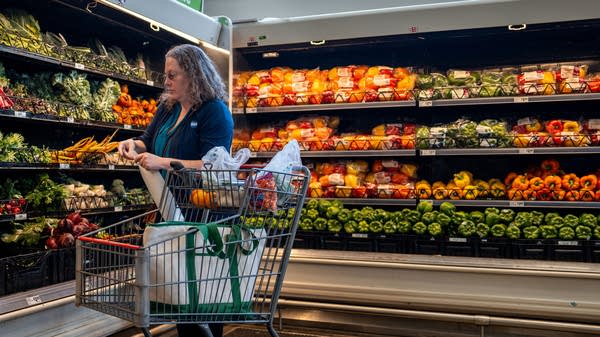
Consumers cited rising costs at the gas pump and grocery checkout as the biggest drag on their outlook, on top of a fresh trade dispute that escalated this week when Canada imposed retaliatory tariffs on American goods. Separate government data released the same week showed consumer spending stalling out even as a closely watched inflation gauge advanced roughly in line with expectations, a combination that points to households feeling squeezed rather than pulling back by choice.
What Happens Next
Federal Reserve Chairman Kevin Warsh delivers his first Jackson Hole speech as Fed chair this Friday, a closely watched moment for any signal on where interest rates are headed given the weakening consumer picture. Markets are already pricing in the possibility the Fed cuts rates before year’s end, and a notably cautious or dovish tone from Warsh could move markets quickly given how much attention the speech is already drawing.
Related from BeezLoop: The Dow Is Over 51,000 and the Fed Just Raised Rates Anyway, Consumer Sentiment Is Near a Record Low and Fed Raises Rates for First Time Since 2023, and Most Officials Expect Another.