


On August 11, 2026, the U.S. Senate quietly passed a bill that could fundamentally change the metallic composition of the humble nickel and alter how you pay with physical cash. The legislation passed during a late-night, pre-recess session, and is now headed to the House for final approval.
Proponents of the bill argue that the measure is a necessary, cost-saving step. Because the price of metals like copper and nickel has skyrocketed in recent years, it now costs more than seven cents to manufacture a single five-cent coin. By shifting to cheaper, alternative alloys, they claim, the government can save taxpayers millions of dollars in production costs.
But if we look at this legislative “success” with some street-smart logic, the entire effort reads like a cruel, tone-deaf joke.

We are living through a historic, exhausting inflationary crisis. Everyday working-class families are struggling to afford basic groceries, monthly utility bills, and astronomical rent. Our personal savings have plummeted to a historic, four-year low of 2.7%, while credit card debt is climbing to record highs.
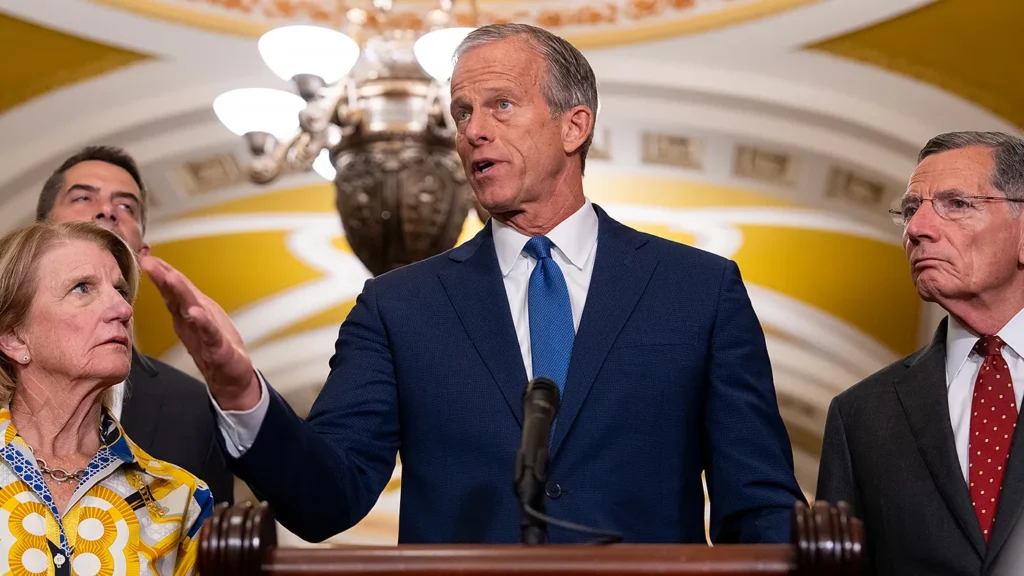
Yet, when the members of the highest legislative body in the land decide to burn the midnight oil, they don’t do it to pass rent-control limits, cap corporate energy gouging, or address the structural failures of our economic system. They do it to debate the exact metallic ratio of a five-cent piece.
This is the absolute epitome of political “nickel-and-diming.”
The fact that it costs more than five cents to manufacture a nickel is not a standalone production issue; it is a direct symptom of the massive, unchecked monetary debasement and inflation that our leaders have allowed to run rampant. Instead of fixing the fire, the runaway inflation that has hollowed out the purchasing power of the U.S. dollar, the Senate has decided to spend weeks designing cheaper, lighter ash to throw on the flames.
They want us to believe that by saving a fraction of a cent on a coin that most people barely use anymore, they are practicing “fiscal responsibility.” Meanwhile, they continue to hand out multi-billion-dollar tax breaks to real-estate cartels, defense contractors, and private equity conglomerates.
Our political class would rather spend their time playing with literal pocket change than stand up to the corporate interests that are actually hollowing out the budgets of American households. It is time we stop letting them distract us with currency-composition sideshows and start demanding real, common-sense legislation that addresses the actual, structural crisis of affordability.