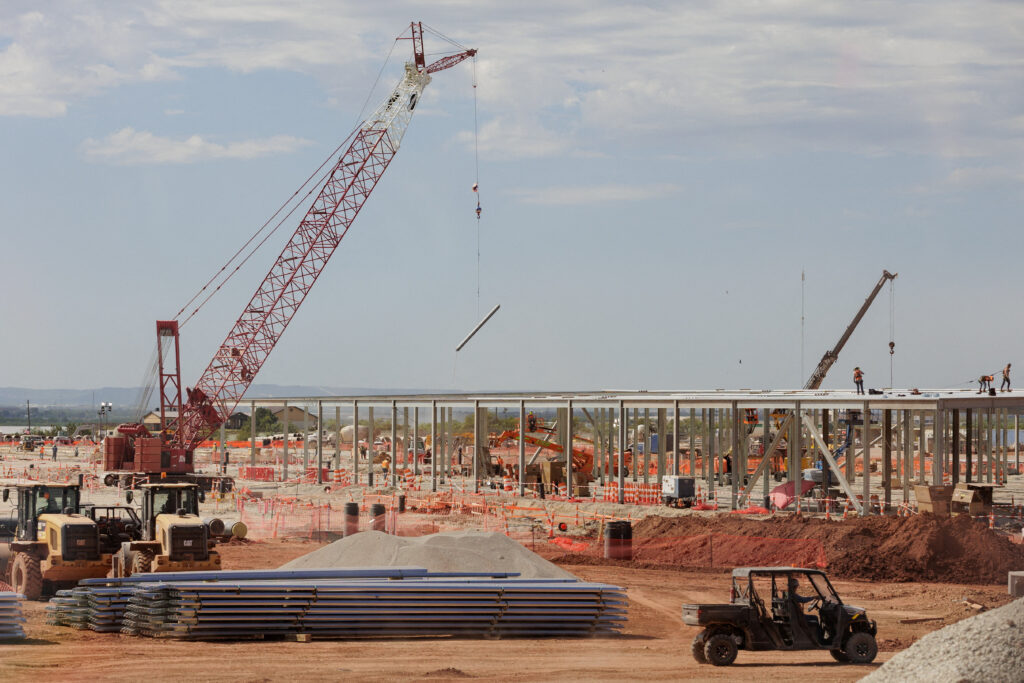
Texas has stopped approving new grid connections for data centers while regulators sort out which requests are real and which aren’t. According to reporting from Reuters, developers have asked the Texas grid operator for roughly 474 gigawatts of future power, more than five times the record peak demand Texas has ever actually hit.
What “Ghost Demand” Actually Means
Industry insiders call the padding “ghost demand.” Developers file speculative requests at multiple sites to hold a place in line, without a signed customer, financing, or even a firm plan to build. It costs almost nothing to ask, so companies ask for far more than they need, and grid planners are left trying to build infrastructure around a number that may be five or ten times too high.
Regular People Pay For the Guesswork
Utilities plan transmission upgrades and power-plant investment around these requests. When the real number turns out to be a fraction of what was filed, someone still has to pay for the capacity that got built anyway, and it isn’t the data-center developers who submitted padded numbers. It’s ratepayers, through the rates utilities are allowed to charge everyone else on the grid.

Texas Isn’t Alone
Pennsylvania Governor Josh Shapiro signed an executive order in August requiring stricter permitting for any project over 25 megawatts and more disclosure about who the end customer actually is. Texas going further and freezing hookups outright makes it the most aggressive state so far, but the underlying problem, that AI-era power demand forecasts are being inflated by companies gaming the queue, is showing up everywhere utilities are trying to plan.
The Bigger Picture
For a year, the pitch on AI data centers has been that they’re an unstoppable force utilities and regulators simply have to accommodate. Texas just demonstrated the obvious alternative: ask the companies making the requests to prove they’re real first. It shouldn’t have taken this long, and it shouldn’t be treated as radical that a grid operator wants to know who’s actually going to use the power before building for it.
Related from BeezLoop: Howard Lutnick Says Data Centers 'Don't Use Water,' Contradicting His Own Past Comments and…, The Bipartisan Rebellion Against Big Tech's Water-Gulping, Power-Grid-Squeezing AI Factories and Ted Cruz Wants Data Centers to Pay Your Electric Bill Forever.