
Mainstream media loves to pitch artificial intelligence as an ethereal, weightless miracle. They tell us that the “Cloud” is a clean, virtual heaven where algorithms float free of earthly constraints, solving humanity’s problems in the background. But let’s apply some boots-on-the-ground, common-sense logic.
Every single line of code generated by a chatbot, every AI filter used to edit crowds out of photos, and every corporate machine-learning pipeline requires a physical, water-gulping, power-grid-squeezing factory to run it. They call them “data centers,” but let’s call them what they actually are: Silicon Smokestacks.
And across the United States, everyday Americans have finally had enough.

What began as quiet, local zoning disputes in county commissioner offices has erupted into a massive, national, and fiercely bipartisan rebellion. According to recent data, local bans on new data center developments have surged past 500 nationwide. In the first quarter of 2026 alone, grassroots community campaigns successfully blocked or delayed 75 mega-scale data center projects worth a staggering $130 billion. The number of active campaign groups has more than doubled, soaring to 833 across 49 states.
The consensus is clear, and the numbers are devastating for Silicon Valley’s public relations teams: a June Reuters/Ipsos poll revealed that only 14% of Americans would support an AI data center being built in their own community.
The Unlikely Alliance: When the Left and Right Agree
In an era defined by extreme political polarization, Big Tech’s relentless land grab has achieved the impossible: it has united the far-left and the far-right in a shared, unyielding outrage.
Take Little Rock, Arkansas, where two massive “hyperscale” data center proposals, including a $1 billion Google development at the local port and a $6 billion project ten miles south in Pulaski County, have run into a brick wall of community fury. As Little Rock Mayor Frank Scott Jr. dryly put it: “I would say it’s kind of the far left and the far right ran into each other and had a hug.”
The environmental left is furious about the jaw-dropping water consumption and carbon emissions. These facilities require millions of gallons of water daily just to keep hot servers from melting. Meanwhile, the populist, property-rights right is outraged by corporate land grabs, massive taxpayer-funded subsidies handed to trillion-dollar conglomerates, and the industrialization of historic, rural, and Black-owned lands.
When climate activists who want to protect local watersheds are locking arms with Tea Party-style populists who despise corporate welfare and government overreach, it stops being a minor neighborhood footnote. It becomes an unstoppable political force.
On July 18, 2026, this growing rage went fully national. A grassroots coalition called HumansFirst, co-founded by a former Tea Party leader, coordinated a massive 142 separate demonstrations across 42 states in a single day. Protesters rallied from coast to coast, from Texas to California, demanding immediate transparency, environmental protection, and a halt to the unchecked expansion of Big Tech’s physical footprint.
Amazon’s Iron Fist: Investigating Their Own Engineers
Nowhere is the corporate desperation more obvious than inside the executive suites of Amazon.
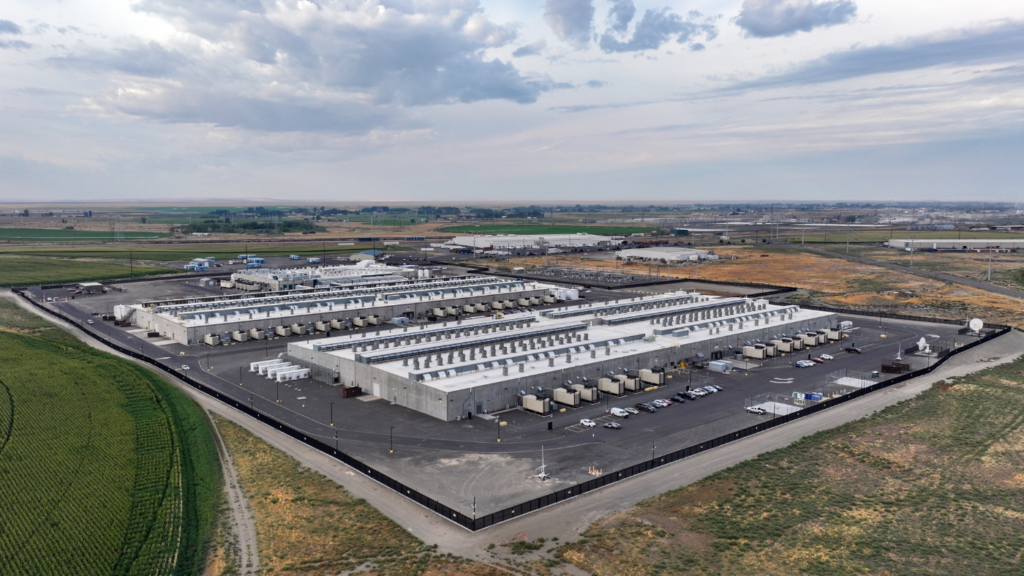
For years, Amazon Web Services (AWS) has marketed itself as a forward-thinking, green-energy champion. But when the Seattle City Council actually listened to its constituents and passed a moratorium pausing new data center construction on June 9, 2026, Amazon’s mask slipped.
Three Amazon engineers, Patrick Schloesser, Darius Irani, and Liesl Wigand, testified in front of the city council in favor of the data center regulations, bringing their professional, inside knowledge to the public debate. Amazon’s immediate response? The retail and cloud giant put all three engineers under investigation just 24 hours later. The engineers have since filed a civil-rights complaint accusing Amazon of illegal retaliation for political speech.
It is a classic corporate bullying tactic. Amazon happily preaches about corporate social responsibility on TV, but the moment its own highly skilled employees use their voices to protect their local communities, the company unleashes its HR department to silence them.
Paying the Bill for Tech Hype
While Silicon Valley billionaires enrich themselves on inflated AI stock valuations, everyday working-class families are left holding the bag. The physical strain these facilities place on local infrastructure is immense:
- Surging Utility Bills: Data centers consume vast amounts of electricity. To power them, utility monopolies are keeping dirty coal plants online longer and building expensive new transmission lines. Who pays for those upgrades? Not Amazon, Meta, or Google, they get massive tax breaks. The cost is passed directly to local households in the form of soaring monthly electricity bills.
- Water Deprivation: In drought-prone states like Colorado, which has seen 19 local data center bans enacted around Denver alone, residents are being asked to restrict their lawn watering and take shorter showers while hyperscale data centers are granted permits to consume millions of gallons of pristine drinking water.
- The Constant Hum: Families living near existing build-outs report that the relentless, low-frequency hum of industrial server cooling fans running 24/7 is quite literally driving them out of their homes, ruining their sleep, and destroying their property values.
The Path of Resistance
From New York to Tennessee, local politicians are finally realizing that siding with Big Tech is a quick way to get voted out of office.
- In New York, Governor Kathy Hochul signed an executive order pausing approvals for all new data centers consuming 50 megawatts of energy or more.
- In Massachusetts and Nebraska, legislators have moved to halt the lucrative tax breaks that developers rely on to build these digital factories.
- In Nashville, Tennessee, a proposed $700 million, 23-acre data center next to the local zoo is facing fierce political and grassroots resistance.
- And in New Brunswick, New Jersey, community organizers led by Ben Dziobek celebrated a historic victory when the city council was forced to cancel a massive proposed AI data center in the face of relentless public protests.
As the backlash intensifies, a small and dangerous fraction is even turning toward security scares. A foiled plot targeting a June 14, 2026, event at the White House listed “data centers taking up all the water in communities” among its core grievances. In April, a Molotov cocktail was thrown at the home of OpenAI CEO Sam Altman.
These violent escalations are deeply troubling, but they reveal a stark, underlying reality: when you ignore peaceful democratic channels, exclude local communities, and use corporate muscle to silence dissent, you create a powder keg of public frustration.
It’s time to pop the Silicon Valley bubble. If Big Tech wants to build these power-hungry, water-gulping AI factories, they should have to prove they can operate without squeezing the resources, wallets, and peace of mind of the regular people living next door. Until then, the bipartisan rebellion is only going to grow louder.
Written by the Beez Loop News Editorial Board. Visit Beezloop.com to stay updated on the grassroots battles the corporate media refuses to cover.