

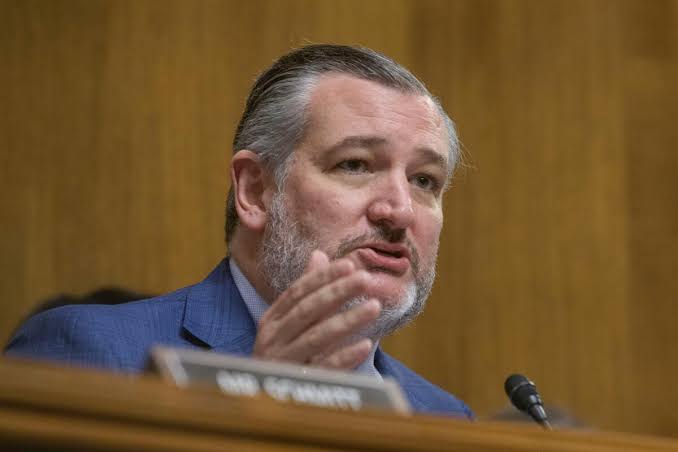
Sen. Ted Cruz is floating a plan to make AI data centers more palatable to the communities that host them: pay residents directly, including offering to zero out their electricity bills, in exchange for hosting the massive facilities.
The Pitch
“If we put a data center in your community, your electricity bill is zero for the rest of your life. We will pay your electric bill, forever,” Cruz said, describing the kind of direct cash and utility incentive he wants data center developers to offer as a matter of course. The Texas Republican frames the push as necessary both to keep U.S. AI infrastructure growing fast enough to stay ahead of China and to head off the local backlash that new data centers increasingly generate.
Why Communities Are Pushing Back
Data centers have become one of the most contentious local infrastructure fights in the country this year, driven by concerns over spiking electricity demand and rates, heavy water use for cooling, noise, and land use, with residents in several states organizing against proposed projects. States including Texas, Pennsylvania, and Arizona have all moved this year to tighten or pause tax incentives for data center developers in response to those concerns, even as the projects remain a priority for the AI industry’s continued buildout.
An Unresolved Debate
Cruz’s proposal is a suggestion for what developers could offer voluntarily, not legislation, and it’s unclear how many companies would adopt direct-to-resident payments at the scale he’s describing. It reflects a broader tension playing out nationally this year: state and local governments are increasingly skeptical of the tax breaks that have historically lured data centers, even as federal officials continue pushing for faster AI infrastructure buildout.
Related from BeezLoop: Howard Lutnick Says Data Centers 'Don't Use Water,' Contradicting His Own Past Comments and…, 7 in 10 Americans Don't Want a Data Center Near Them and Texas Freezes Data Center Power Hookups Over 'Ghost Demand'.





[…] More: a Louisiana judge blocked the NCAA from punishing schools that sign former NFL players, the Big Ten moved to ban players from returning after NFL rosters, and Ted Cruz’s other bill, the one about your electric bill. […]
[…] and no one in either party wants to be the one who told them to slow down or pay full freight. We wrote about Ted Cruz wanting data centers to pay your electric bill forever, and the mechanism has not changed […]