

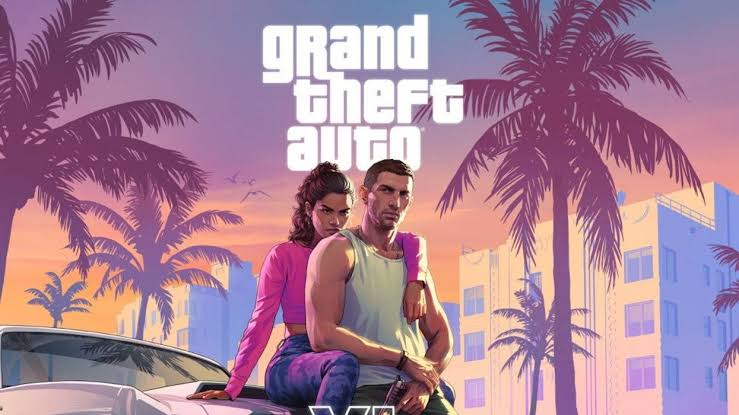
Rockstar Games has confirmed that recent Grand Theft Auto 6 gameplay leaks are genuine, calling their spread “heartbreaking” just a day before the studio’s planned official gameplay reveal. A group calling itself CyberLeek began posting gameplay videos and an image of the game’s full map in a series of uploads starting August 18, threatening to keep releasing more material daily.
What Rockstar Said
In a statement, Rockstar acknowledged the leaked footage as real and apologized to fans, saying “this is obviously not how we intended for you to see the game after all this time” and expressing regret over how long the wait for an official look has already been. The company said the leaks would inevitably color how fans experience the reveal it had already scheduled.
The Leak Is Tangled Up With a Crypto Scam
Security researchers and the GTA community have identified CyberLeek’s activity as a cryptocurrency pump-and-dump operation: the group is using authentic, stolen Rockstar footage as bait to drive attention and buys toward a memecoin it’s promoting on the Solana blockchain. The gameplay footage itself has been treated as genuine, with Take-Two Interactive, Rockstar’s parent company, actively filing DMCA takedown requests against reposts.

The Reveal Goes Ahead Anyway
Despite the leaks, Rockstar’s extended gameplay look is still set to air August 27 exclusively on Netflix, with the same footage becoming available on Rockstar’s YouTube channel roughly six hours later. GTA 6 remains scheduled to launch on PlayStation 5 and Xbox Series X|S on November 19, 2026, after two previous delays pushed the game past its original 2025 target.
Not Rockstar’s First Major Breach
This isn’t the first time Rockstar’s internal GTA 6 footage has ended up online without authorization. In September 2022, an attacker linked to the hacking group Lapsus$ breached a Rockstar Slack account and leaked roughly 90 videos of early development footage, an incident the FBI investigated at the time. Rockstar has not said whether this month’s leak involved a similar network intrusion or stemmed from a different source.
Related from BeezLoop: Rockstar Is Pressing GTA 6's Soundtrack to Vinyl, GTA 6's Extended Look Goes to Netflix First, Bypassing Gaming Press Entirely and The Saudi Sandbox: Roblox's Oil Money and the $55 Billion Hijacking of Play.