
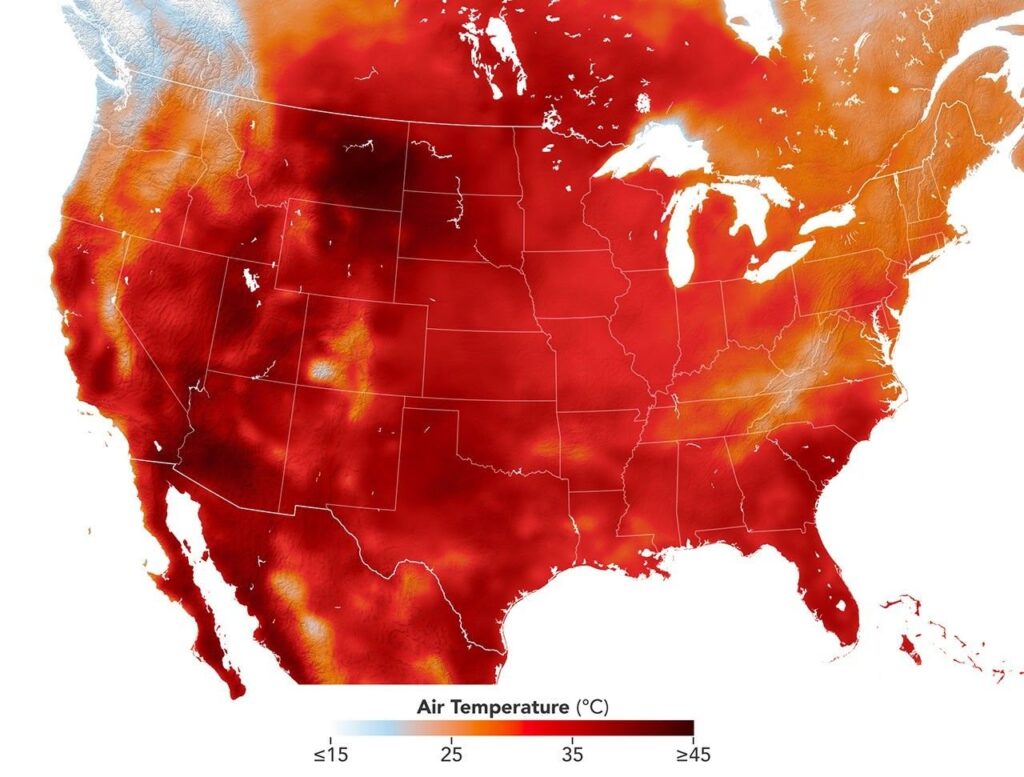
The numbers are in, and it’s official: the summer you just lived through was the hottest one the United States has recorded in 132 years of tracking. The National Oceanic and Atmospheric Administration says the average temperature across the Lower 48 states from June through August 2026 hit 74.4 degrees Fahrenheit, about 3 degrees above the 20th-century average and enough to beat the previous record, set in 1936 during the Dust Bowl and matched again in 2021.
August carried much of the weight. NOAA found it was the warmest August on record nationally, with average daytime highs reaching 88.6 degrees, also a record. The heat wasn’t confined to daytime hours either. Meteorologists flagged unusually warm nighttime temperatures across most of the country, which matters for public health because overnight cooling is normally how the body and buildings recover from a hot day.
The hardest-hit regions were the West, Southwest and southern Plains. Phoenix reached 112 degrees and Las Vegas hit 110 during the peak stretch, while Albuquerque climbed to 98. Arizona tied its all-time state heat record, and New Mexico, Utah and Colorado each set new summer records of their own. Southern Florida also saw record-breaking warmth despite being far from the Southwest’s typical heat zone.
For most Americans, a record-breaking summer isn’t just a weather trivia headline. Extended heat drives up electricity bills as air conditioning runs longer, strains power grids during peak demand, and raises real health risks for outdoor workers, older adults and anyone without reliable access to cooling. Hospitals in several of the hardest-hit states reported increases in heat-related emergency room visits over the summer, consistent with patterns public health officials have flagged in past record years.
This kind of extreme heat also connects to broader climate trends BeezLoop has followed, including forecasts of a potentially historic El Nino pattern and how shifting climate conditions are already squeezing American farmers. Extreme heat overseas has drawn similar warnings, including a spike in drowning deaths in France this summer tied to people seeking relief from the heat in unsafe water.
NOAA’s summer summary is based on more than a century of consistent data collection, which is part of why the agency considers this record meaningful rather than a short-term blip. Heading into fall, forecasters will be watching whether the pattern that drove this summer’s heat, persistent high-pressure ridges that trap warm air in place for weeks at a time, continues to show up in future seasons or was a one-off combination of factors. Either way, the data gives households, employers and local governments a clearer basis for planning around extreme heat rather than treating each hot summer as a surprise.
Sources: NOAA · CBS News · The Hill