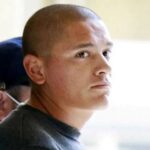

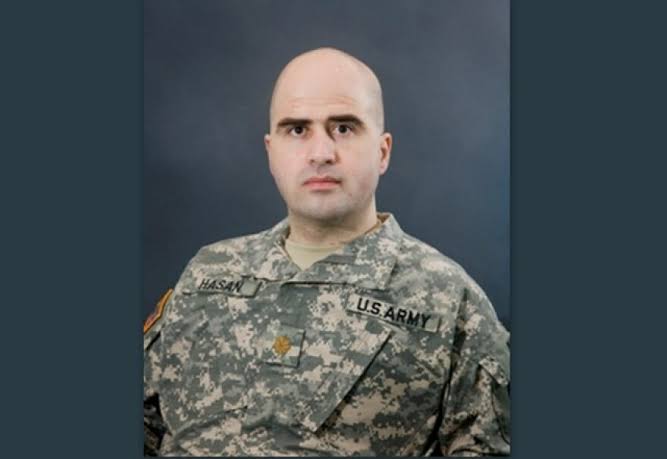
The Army plans to execute Nidal Malik Hasan, the former Army psychiatrist who killed 13 people at Fort Hood, Texas, in 2009, by firing squad. The Pentagon announced Monday that Defense Secretary Pete Hegseth recommended it and President Trump approved it.
It would be the U.S. military’s first execution of any kind since 1961, and its first by firing squad since 1945. But no date has been set, and Hasan’s appeals aren’t finished. Approval from the president doesn’t mean it’s about to happen.

What did Nidal Hasan do?
On November 5, 2009, Hasan, then an Army major, walked into the Soldier Readiness Processing Center at Fort Hood and opened fire with a semiautomatic handgun. He killed 12 soldiers and one civilian, including a pregnant soldier, and wounded 32 more before he was shot and arrested.

At his court-martial, he admitted the shooting and said he did it to defend the Taliban. A military jury convicted him of 13 counts of premeditated murder and 32 counts of attempted murder in August 2013 and sentenced him to death. Now 56, he’s held at Fort Leavenworth in Kansas, one of four people on the military’s death row.
For years the government classified the attack as “workplace violence,” a label survivors and victims’ families sharply criticized. In 2015 the Army awarded Purple Hearts to the dead and wounded.
When will Hasan be executed?
Nobody knows yet. Army policy says the execution must be scheduled between 60 and 150 days after the president approves it. The Secretary of the Army sets the time and place.
But Hasan hasn’t exhausted his appeals, and his case hasn’t gone through habeas corpus review in federal civilian court, according to Military.com. That process can take years. President George W. Bush approved the execution of Army Pvt. Ronald Gray in 2008. Gray is still on military death row, with his case tied up in habeas litigation for more than 15 years.
ABC News reported in June that the Army had drawn up a plan, called Operation Resolute Justice, to move condemned prisoners from Fort Leavenworth to the federal execution facility in Terre Haute, Indiana. The Army hasn’t said how it would put together a firing squad after 81 years.
Why a firing squad?
The Pentagon didn’t explain the choice. Its spokesman, Sean Parnell, called Hasan “the jihadist who opened fire on unarmed American soldiers” and said, “Judgement day for Hasan has finally come.”
The timing lands days after lethal injection failed in a very public way. In Tennessee, Christa Pike survived two doses of pentobarbital last week, and the state’s prison chief is now resigning. Pike had asked to be executed by firing squad instead, and the state refused.
The BeezLoop Take
Hasan admitted to killing 13 people he served with because of their uniform. A military jury gave him the sentence the law allows. There isn’t much debate about what he deserves, and the families have waited almost 17 years.
That’s exactly why the Pentagon’s victory lap is the wrong tone. “Judgement day has finally come” makes it sound like the execution is close. It isn’t. There’s no date, habeas review hasn’t started, and the last soldier a president approved for execution has been waiting since 2008. Families of the Fort Hood victims have been promised closure before. Announcing it like a campaign event doesn’t make the courts move faster.
The firing squad itself may be the least controversial part of this. After what happened to Christa Pike, it’s hard to argue lethal injection is the more humane option. The open question is whether the Army can do it legally, and how long that takes. Will it happen before the 20th anniversary of the shooting?

Sources: Military Times · ABC News · Military.com · CBS News