
The Timing Question is a BeezLoop opinion series. We line up documented facts, lay out the theory they point to, and tell you what would prove it wrong. Facts are linked. The theory is ours.
A judge upheld New York City’s rent freeze on the day before Thanksgiving. If you’re the suspicious type, that timing looks convenient. We checked, and it’s not. The more interesting timing question is buried in the ruling itself: City Hall saw the Rent Guidelines Board’s explanation of its vote before the board voted.
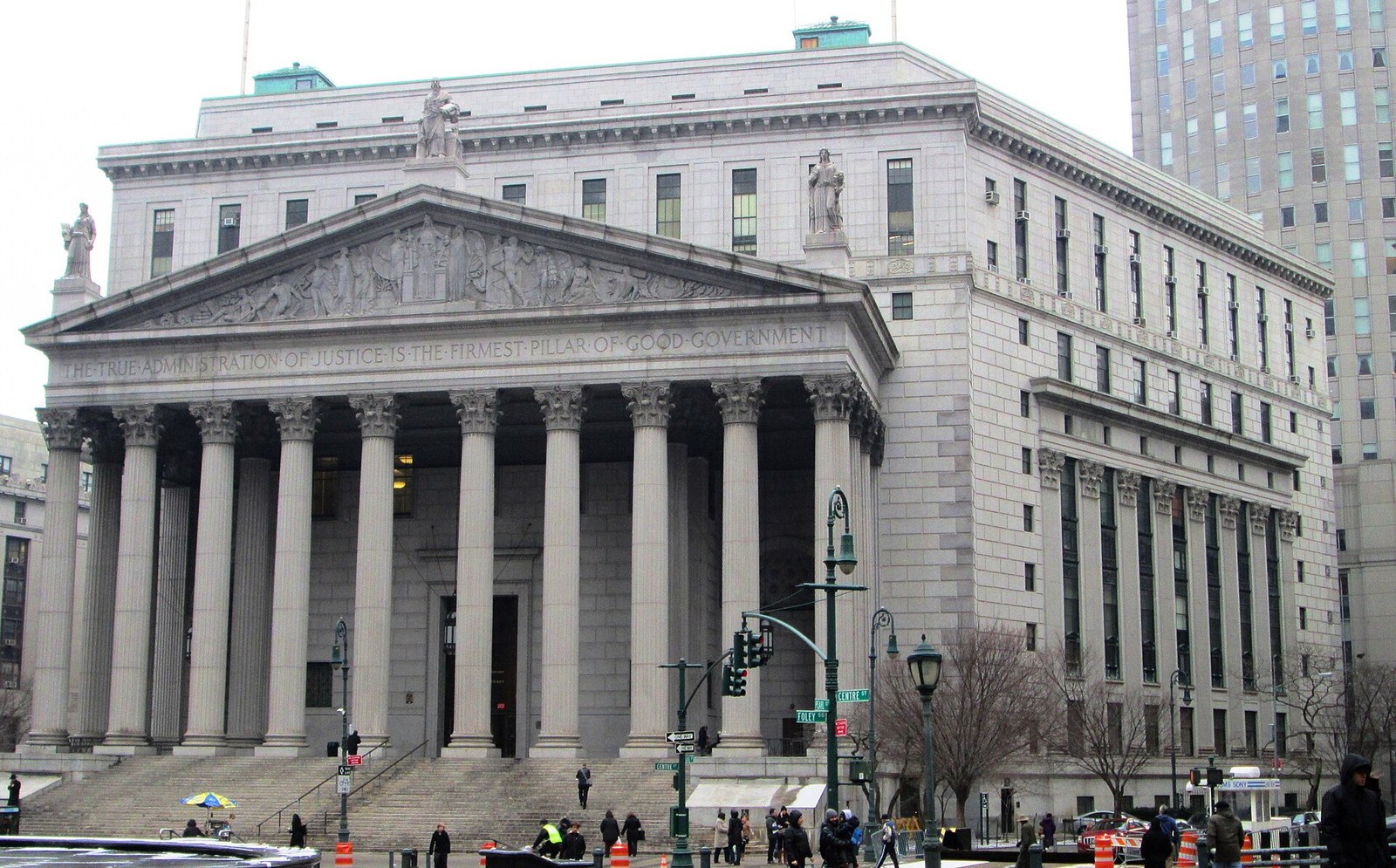
Manhattan Supreme Court Justice Brendan Lantry upheld the freeze on Wednesday, Nov. 25. We covered what it means for your lease this morning.

Was the rent freeze ruling timed for Thanksgiving?
We don’t think so. Landlords sued in July. The case moved to Manhattan in August and was argued in a nearly six-hour hearing on Sept. 2. On Sept. 16, Lantry ordered City Hall to hand over its communications with the board from Jan. 1 to the June 25 vote, amNY reported, and gave the city 30 days for full copies.
At a Sept. 24 hearing, Lantry said, “We are working as expeditiously as we can to resolve this case,” and “I’m not going to operate with a shotgun to my head,” The City reported. He indicated he’d decide before the end of the year. A ruling about four weeks after the records came in fits that schedule. Courts are open the day before Thanksgiving, and nothing ties this decision to the holiday.

What did City Hall have to do with the rent board’s vote?
That’s where it gets interesting. The records turned up correspondence between board chair Chantella Mitchell and a deputy chief of staff to the deputy mayor for housing and planning, in which a draft of the board’s statement explaining its decision was shared before the vote, amNY reported. The board is supposed to be independent of the mayor.
Such communication puts a dark shadow over the purported ‘independence’ of the Board, but without a record of further corroboration of an administration-dictated decision, it does not rise to the level of an Article 78 violation.
Justice Brendan Lantry, in his decision
In other words, the judge found it troubling but not illegal. He said the rest of the record showed “no evidence of anything beyond ordinary exchanges.” And he rejected the idea that Mamdani appointing like-minded members proved collusion: “However, elections have consequences, a premise that is the backbone of our democracy,” per amNY.
The judge was tough on the mayor anyway. Promising “to guarantee a rent freeze to millions of New Yorkers without the authority to do so, is irresponsible and, quite frankly, invited the instant proceeding,” Lantry wrote, the Daily News reported.
Will landlords appeal the rent freeze ruling?
Maybe. Randy Mastro, the landlords’ lawyer, said “we are continuing to review the ruling and considering next steps,” Commercial Observer reported. An appeal would go to the Appellate Division. Mamdani’s office called the ruling “a victory for tenants, for affordability and for the principle that working New Yorkers deserve a city they can afford to live in.”
What would prove this theory wrong?
Context. If City Hall staff routinely see draft board statements under past mayors too, this is business as usual and the shadow fades. If they don’t, the question gets sharper. Either way, the full set of City Hall communications produced in the case would settle it better than any of us can.
The BeezLoop Take
The holiday timing is a red herring, and we’d rather tell you that than invent a scandal. The email is a different matter. A rent board that’s supposed to weigh landlord costs and tenant hardship on its own shouldn’t be passing drafts of its reasoning to the mayor’s office before it votes, no matter which mayor or which way the vote goes. The freeze may be good policy for tenants. It’d be easier to defend if nobody had to wonder who wrote the explanation.
Should New York require the Rent Guidelines Board to publish all its communications with City Hall before every vote?