
The Trump administration proposed new tariffs Wednesday on 14 trading partners, including up to 20% on Chinese goods and 15% on goods from the European Union, Japan, South Korea and Taiwan. They aren’t in effect yet. Public comments are due Jan. 5 and hearings start Jan. 25, according to the U.S. Trade Representative, so none of this changes what you pay this holiday season. Next year is a different story.
This is opinion. Here’s what was proposed, what it could cost, and why we think the timing tells you a lot.
What tariffs did Trump propose on Wednesday?
- China: up to 20% on most goods, up to 10% on a shorter list, and up to 40% on everything if talks fail, per the Federal Register notice. CNBC says that would push many Chinese goods to roughly 45% once older tariffs are counted.
- EU, Japan, South Korea, Taiwan, Switzerland: up to 15%.
- Bangladesh, Cambodia, Indonesia, Malaysia, Thailand: up to 18%. Singapore: up to 20%. India: up to 25%. Vietnam: up to 35%, or 20% with a deal.
- Not covered: autos, steel, aluminum and chips, which already face separate tariffs, plus some energy and food, Yahoo Finance reported.
Trade Representative Jamieson Greer says most of this won’t stack on what’s already there. “When it all nets out, it really will just top up a few percentage points,” he told CNBC. He said nothing would take effect “earlier than a couple months from now,” ABC News reported.


Why is Trump using Section 301 for these tariffs?
Because the Supreme Court took away his first tool. On Feb. 20, the justices ruled 6-3 in Learning Resources v. Trump that the emergency powers law Trump used for most of his 2025 tariffs doesn’t allow tariffs at all. Section 301 is an older trade law that does, but it requires an investigation first. These 14 probes started in March and concluded that each country builds more factory capacity than the world needs and dumps the extra here. Critics call that a workaround. “The administration’s use of Section 301 is cynical,” Georgetown law professor Gregory Shaffer told Al Jazeera.
How much will the new tariffs cost my household?
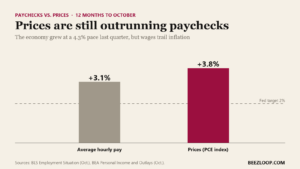
Not a huge amount on top of what you’re already paying, but that’s already a lot. The Tax Foundation estimates current tariffs cost the average household about $820 this year. Yale’s Budget Lab says the new plan would raise the average tariff rate from 11.4% now to 13.9% early next year, nearly back to where it was before the Supreme Court ruling, with clothing, electronics and appliances hit hardest, per Yahoo Finance. That lands on top of inflation that rose to 3.8% in October.
Sen. Ron Wyden of Oregon, the top Democrat on Finance, said it came “only weeks after Americans overwhelmingly voted against his high tariffs and higher prices agenda,” per ABC News. Democrats take both chambers in January, but Section 301 tariffs don’t need a vote in Congress.
The BeezLoop Take
The Supreme Court said the emergency tariffs were illegal, and voters said in November they’re tired of paying more. The White House answered by rebuilding the same tariffs through a different door. Some of the targets are fair game. China’s overproduction of steel, solar panels and EVs is real and has hurt American factories. But putting the same 15% on Japan and the EU, our allies, isn’t a China strategy. It’s a tax on things Americans buy, and the comment period is the only chance most people get to say so.
If the courts strike down this round too, will families who paid the tariffs ever see a dime back?