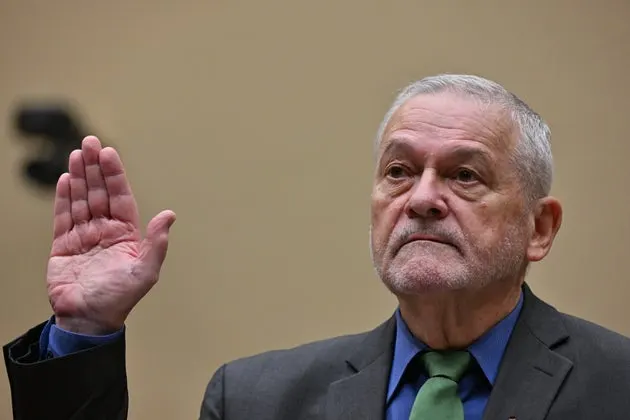
Dr. David Morens, who served as a top scientific advisor to former NIAID director Dr. Anthony Fauci, pleaded guilty Tuesday to a federal felony conspiracy charge tied to how he handled records about COVID-19’s origins and grants to the EcoHealth Alliance. Morens admitted he agreed with at least two co-conspirators to route official government business through his personal Gmail account specifically to evade Freedom of Information Act requests, rather than using his government email where those records would have been discoverable. He also admitted to a second conspiracy: accepting wine in exchange for agreeing to author a peer-reviewed scientific commentary arguing that COVID-19 had natural origins, at a time when EcoHealth Alliance’s federal grant funding was under active scrutiny. He faces up to five years in prison, with sentencing scheduled for November 12.
It’s worth being precise about what this plea does and doesn’t establish. Morens pleaded guilty. Dr. Fauci has not been charged with any crime in connection with this case. Peter Daszak, who ran EcoHealth Alliance, also hasn’t been charged, though he was barred from receiving federal grant funding in 2025. This is a case about one senior NIH advisor’s documented, admitted conduct, not a proven conspiracy reaching the top of the agency.
Why the Gmail Detail Matters More Than It Sounds
Deliberately routing official government communications through a personal email account specifically to defeat a public records law isn’t a gray area or a judgment call about efficiency. FOIA exists because the public is entitled to see how government scientists reach the conclusions that get turned into policy, especially conclusions about the origins of a pandemic that shaped years of public health decisions. Choosing to build a private communications channel around that law, and admitting to a federal court that evasion was the specific intent, is a concrete, documented act, not a vague accusation.

The wine detail is almost a separate story on its own: a taxpayer-funded scientific advisor admitting he agreed to help shape a published scientific opinion, on a subject with direct bearing on his own grant-making authority, in exchange for a personal gift. That’s the kind of conflict of interest peer review is specifically supposed to catch, and in this case, it didn’t.
What This Does and Doesn’t Prove About “The Science”
This plea is real, and it’s damaging to public trust in a specific, verifiable way. What it doesn’t do is retroactively prove every scientific conclusion reached during the pandemic was corrupted, and it doesn’t extend guilt to officials who haven’t been charged with anything. The honest version of this story is narrower and, frankly, more useful than the sweeping one: one senior advisor broke federal transparency law and accepted a personal gift tied to his official duties, admitted it in court, and is facing real consequences on November 12. That’s damaging enough on its own without needing to become a stand-in for every unresolved question about the pandemic’s origins.
What do you think? Does one advisor’s guilty plea change how much scrutiny the broader COVID-19 origins research deserves, or is this a contained case about one person’s conduct? Let us know your thoughts in the comments on BeezLoop.com!
Related from BeezLoop: Pentagon Signs Agreement to Redirect NIH Infectious Disease Funds to Defense Department,… and Trump Administration Plan to Overhaul NIAID Clinical Research Draws Alarm as Democrats Say….