

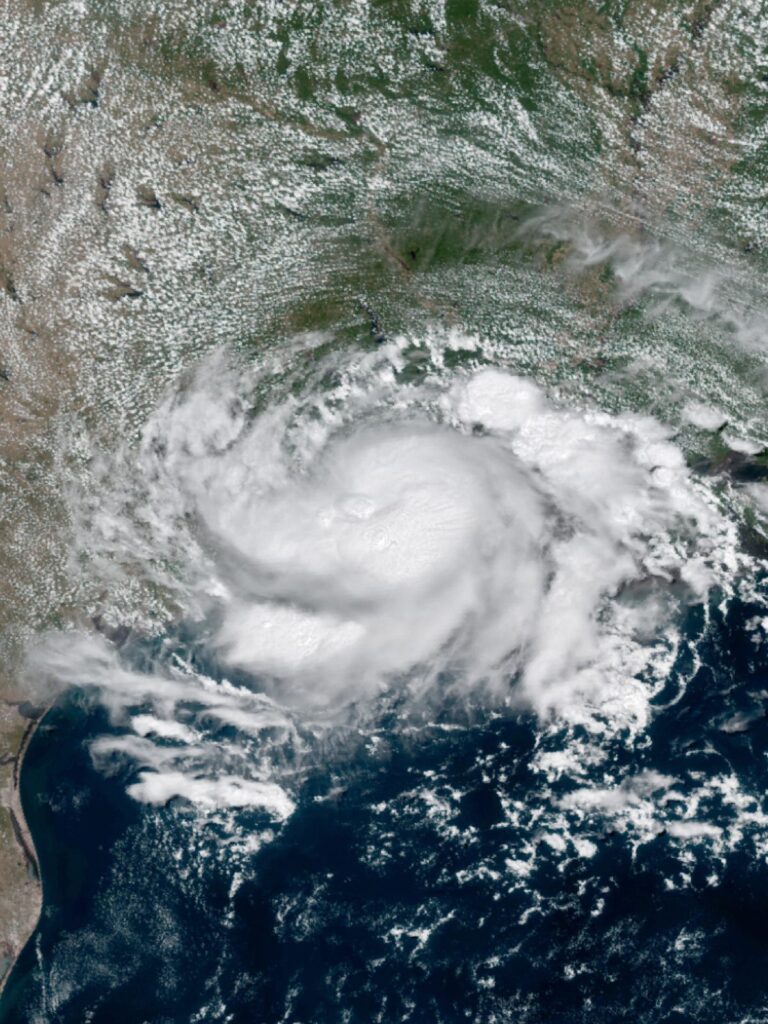
The Atlantic hurricane season hit its statistical peak this week, September 10 is the traditional high point, without a single hurricane forming so far this year. Five storms have earned names since June: Arthur, Bertha, Cristobal, Dolly, and Edouard. Not one of them has strengthened past tropical storm status.
A strong El Nino is doing exactly what forecasters expected
NOAA and independent forecasters pointed to a strengthening El Nino pattern months ago as the reason to expect a quieter-than-normal season, and that’s precisely what’s played out. El Nino tends to increase wind shear over the Atlantic basin, and wind shear is one of the more reliable ways to keep a tropical storm from organizing into a hurricane. The current forecast calls for eight to 11 named storms and just three to four hurricanes all season, well below the average year’s tally of 14 named storms and seven hurricanes.
Quiet isn’t the same as safe
A season with zero hurricanes through its climatological peak is unusual, but it isn’t a guarantee the rest of the year stays calm. The season runs through November 30, and slow starts have flipped before when conditions shifted in October or November. Common sense here cuts against the instinct to relax: the same El Nino that’s suppressing storm formation now can weaken later in the season, and a single late-forming hurricane hitting a coastline that’s spent three months assuming nothing was coming tends to do more damage than one that arrives on schedule.

For now, residents along the Gulf and Atlantic coasts are getting a real reprieve. Emergency managers are using the lull to point out that hurricane preparedness plans don’t come with an expiration date just because the numbers have been kind so far.
Sources: NOAA · AccuWeather
Related from BeezLoop: Summer 2026 Was the Hottest on Record in the Lower 48, NOAA Says, A September Nor’easter Is Flooding the Coast From the Outer Banks to Cape Cod, and It… and Tropical Storm Moke Brings Heavy Rain to Hawaii's Big Island Without Making Landfall.