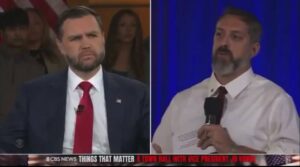

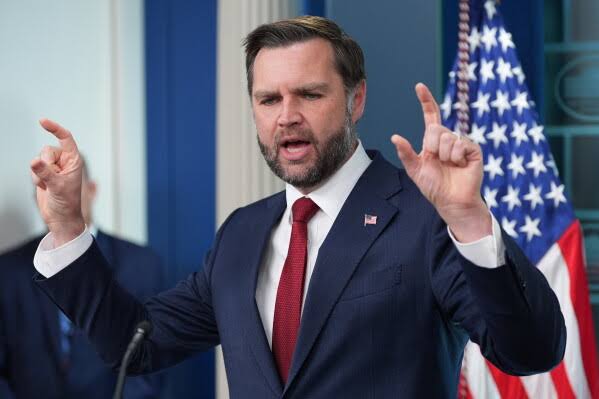
Vice President JD Vance pushed back Thursday on calling the six-month U.S.-Iran conflict a “war,” telling reporters at a White House briefing the term doesn’t fit what he described as ongoing, lower-grade hostilities rather than a full-scale conflict.
Pressed on when the fighting might end, and whether it would wrap up before November’s midterms, Vance didn’t offer a timeline. “When you ask, ‘When will this end?’ you’re asking me a question like, ‘When will the Iranians stop shooting at ships?'” he said, comparing the conflict to an open-ended pattern of harassment rather than something with a defined conclusion.
A Word Choice That Does a Lot of Work
Six months in, whether to call this a war isn’t just semantics. Wars get congressional oversight, war powers scrutiny, and a level of public accounting that low-grade hostilities don’t. Keeping the label off the conflict keeps a lot of that scrutiny off it too, and it lets the administration describe an open-ended military entanglement without committing to when, or whether, it actually ends.

It also puts Vance in an odd spot politically. Refusing to call it a war while also refusing to say when it stops means acknowledging the fighting is real without giving voters a way to measure progress against it. That’s a hard needle to thread heading into a midterm cycle where the conflict’s economic fallout is already showing up in household budgets.
The Price Voters Are Actually Feeling
Whatever it’s called, the conflict has been squeezing consumers for months. The national average for gasoline hit a record $4.14 a gallon over Labor Day, driven largely by crude prices staying elevated on continued instability tied to the Strait of Hormuz, the shipping chokepoint at the center of the Iran standoff. Inflation more broadly has stayed stubborn through the summer, and voters heading to the polls in November will be doing so with gas and grocery prices as a live backdrop to whatever label Washington settles on for what’s happening in the Gulf.
For now, the administration’s position is that the fighting continues, the end date is unknown, and it isn’t a war. Whether voters draw the same distinction is a separate question entirely.
Related from BeezLoop: Marjorie Taylor Greene Is Filming Herself at Gas Pumps and Saying MAGA Is Dead, Trump Told the UN He Might 'Annihilate' Iran and Grassley Wants Trump to Stop Diesel Exports.