
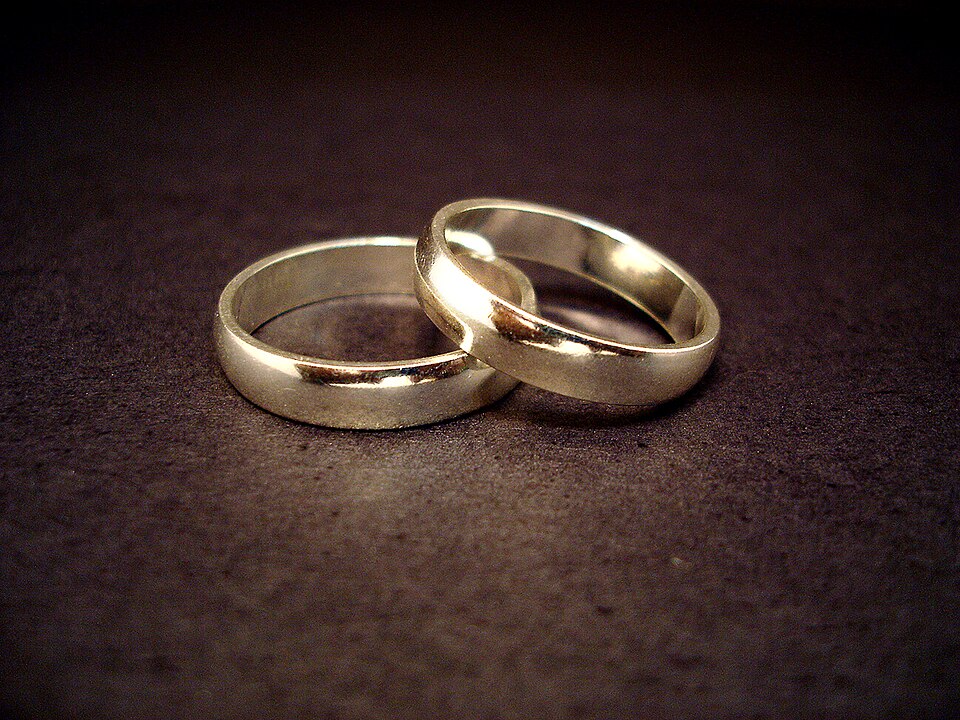
Walk through a high school hallway or a corporate open floor plan and you’ll spot them: thin metal rings with a rotating outer band, marketed as “anxiety rings” and worn as a quiet, constant fidget. Wellness influencers describe them as science-backed stress relief. It’s worth being honest about what a $30 ring can and can’t actually do.
Fidgeting itself has real, modest research behind it: small repetitive movements can help some people manage restlessness and mild anxious energy in the moment, the same way clicking a pen or tapping a foot does. A spinning ring is a socially acceptable, wearable version of that. What it isn’t is a treatment for the actual sources of a lot of Gen Z anxiety, things like rent that’s outpaced wages, a labor market that feels unstable even for people doing everything “right,” and a nearly constant stream of alarming content from the same phone the ring’s owner is using to buy more rings.
That’s the part that gets lost in the marketing. A fidget ring is a coping tool for a stressful moment, not a fix for what’s actually causing the stress. Selling it as one lets a real, structural problem get repackaged as a personal one that a $30 accessory can solve, which is a much easier problem for a retailer to sell you something for than it is for anyone to actually fix.

There’s nothing wrong with owning one. They’re inexpensive, they’re not harmful, and if spinning a ring genuinely helps someone get through a stressful class or meeting, that’s a real, if small, benefit. The issue is only when “I have a fidget ring” starts standing in for “I have a way to manage this,” when the underlying pressure never actually goes anywhere.
Related coverage: Forbes on Gen Z workers and financial stress.
Related from BeezLoop: Americans Now Expect Financial Independence at Age 37, Study Finds, Why So Many Influencers Are Dying, and What the Pattern Actually Reveals and Run Club Searches Hit All-Time Highs as Gen Z Looks to Meet People IRL.