
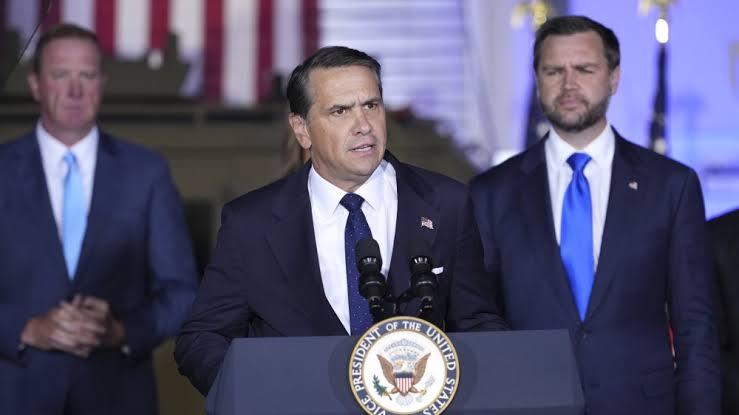
Vice President JD Vance, Attorney General Todd Blanche, and FBI Director Kash Patel stood together in Kansas City on Monday to announce the results of a three-month federal fraud sweep that charged, convicted, or sentenced more than 160 defendants tied to roughly $245 million in intended losses from COVID-era relief programs. “If you screwed the American taxpayer, the federal government is now going to say you’re cut off, no more,” Vance said.
What exactly did this operation target?
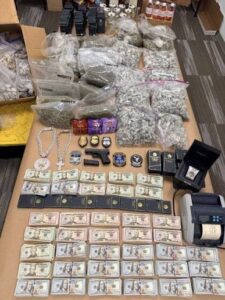
The operation, dubbed the “Heartland fraud surge,” ran from June 12 through September 1 and focused specifically on Paycheck Protection Program and Economic Injury Disaster Loan fraud administered through the Small Business Administration. Nearly 80 defendants face felony charges tied to roughly $100 million in intended losses, another 43 have already pleaded guilty in cases covering about $44 million, and roughly 40 more have already been sentenced in cases involving close to $100 million. Separately, DOJ’s newer National Fraud Enforcement Division detailed more than $260 million in related schemes spanning COVID tax credits, PPP and EIDL loans, Social Security disability benefits, and state unemployment insurance across cases in New Jersey, Colorado, Florida, and Missouri — including a New Jersey man, Leon Haynes, sentenced to 144 months in prison and ordered to pay $55 million in restitution after seeking $170 million in fraudulent loans, and a Colorado defendant, Ikponmwosa Erhinmwinrose, sentenced to 204 months after applying for $90 million and actually stealing $7.6 million.
How big is the fraud problem this is actually addressing?
Bigger than the headline numbers suggest. Officials tied this specific sweep to an estimated $39 billion in suspected fraud across 45 states and territories, and said it fits inside a broader total of roughly $49 billion in alleged COVID-era fraud identified nationwide. As part of the announcement, 870,000 people were suspended from eligibility for future federal loans, and officials said $22 billion has already been referred to the Treasury Department for collection. The operation drew on prosecutors from 44 U.S. Attorney’s Offices and more than 20 federal and state investigative partners, with roughly 500 prosecutors now working fraud cases as a dedicated focus rather than a side assignment.
The scheme patterns described by prosecutors were consistent across cases: fabricated businesses that never actually operated, falsified payroll and revenue records to inflate loan eligibility, and identity theft used to apply for aid under other people’s names — the same basic playbook that’s driven the majority of COVID relief fraud prosecutions since the programs first opened in 2020.
Sources: CBS News · Bloomberg · U.S. Department of Justice