
The Supreme Court on Monday rejected the Trump administration’s bid to enforce new U.S. Postal Service rules that would have let USPS withhold mail-in ballots from voters who didn’t appear on state-submitted lists ahead of November’s midterms. The 5-4 order found the administration “is unlikely to succeed on the merits of its challenge” to a lower court’s injunction blocking the rule.
What exactly did the rule the Court blocked actually do?
The USPS rule stemmed from a Trump executive order on mail voting and would have required states to upload the identities of voters receiving mail ballots into a Postal Service portal, with ballot envelope designs subject to USPS pre-approval. In practice, it would have given the Postal Service the power to withhold potentially millions of ballots from voters whose information didn’t match state-submitted lists. Election officials, including some Republicans, warned that implementing the system this close to the midterms risked “chaos and mass disenfranchisement” rather than the fraud prevention the administration said it was designed for.
How did the justices split, and why does Kavanaugh’s position matter?
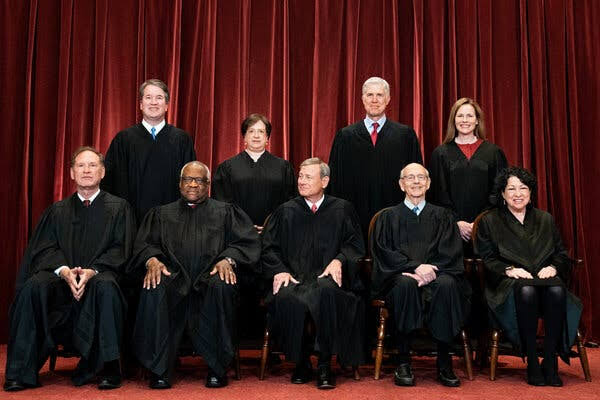
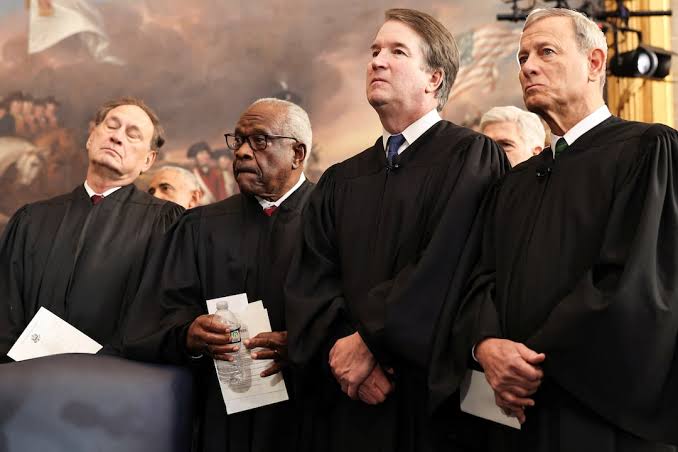
The majority, Chief Justice Roberts and Justices Barrett, Sotomayor, Kagan, and Jackson, sided against the administration. Justice Alito dissented, joined by Justices Thomas and Gorsuch. Justice Kavanaugh took a partial position, dissenting from most of the order but agreeing with the sections finding that state and local election officials don’t have enough time to reasonably implement the rule before the midterms. That timing objection matters because it means Kavanaugh isn’t necessarily saying the rule is unlawful on the merits, only that this specific rollout, this close to an election, doesn’t work — a narrower objection than the one that carried the majority.
Is this the final word on Trump’s mail voting order?
No. This ruling addresses one specific piece of a larger fight: whether USPS can enforce this particular rule before November’s midterms. The broader legal question of whether Trump’s mail-voting executive order is lawful at all is still being litigated in lower courts, and the Court’s own order explicitly framed this as a decision that the administration is “unlikely to succeed,” not a final ruling on the merits. Back in August, the Supreme Court had actually given Trump’s order a narrower interim win, lifting an earlier injunction on other parts of the plan — meaning this isn’t a case where the Court has consistently ruled one way. White House spokesperson Lauren Bis defended the rules as “commonsense measures to protect the security of mail-in ballots and ensure only Americans vote in American elections,” and said election officials have had “ample time to prepare,” but didn’t say whether the administration plans to pursue the underlying case further.
Sources: CNN via KESQ · Bloomberg · NBC News · SCOTUSblog