
It’s official: measles is no longer eliminated in the United States. The Pan American Health Organization announced Tuesday that the U.S., Mexico and Bolivia have lost their measles elimination status after the virus spread continuously for more than a year, CNBC reported. The U.S. had held the status since 2000.
“The commission concluded that endemic measles transmission has now been reestablished in Bolivia, Mexico and the United States,” PAHO director Jarbas Barbosa said, adding that he accepted its recommendation to withdraw their status. Endemic means the disease is now always present here, not just brought in by travelers.

Why did the U.S. lose its measles elimination status?
Because measles never stopped spreading. An independent panel of eight experts reviewed data from January 2025 to January 2026 and found outbreaks in 48 of the 52 U.S. states and territories it tracked. Under the rules, a year of continuous spread ends elimination. Canada, Spain and the U.K. lost their status earlier this year.

This year is worse. The U.S. has more than 5,400 cases, the most in more than three decades, and states have reported 10 deaths. As we reported Saturday, the CDC counts fewer deaths than the states do. Every death with a known vaccination status was in someone unvaccinated.
What changes now that measles isn’t eliminated?
Practically, not much overnight. The status is a public health benchmark, not a law, and many experts call the loss largely symbolic. But it’s a signal to doctors and families that measles is now a regular risk here. PAHO expects the U.S. to submit a corrective action plan in the coming weeks laying out how it will stop transmission and win the status back.
The CDC said it will keep working with states to stop outbreaks and restore the status. CDC Director Erica Schwartz said the designation “is not what protects Americans. Vaccination does.” She said the CDC has put $100 million into state and local health departments. Health Secretary Robert F. Kennedy Jr., who has moved to change recommendations for the measles, mumps and rubella vaccine, wasn’t quoted in CNBC’s report.
What should you do about measles?
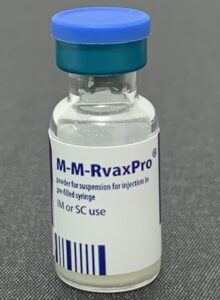
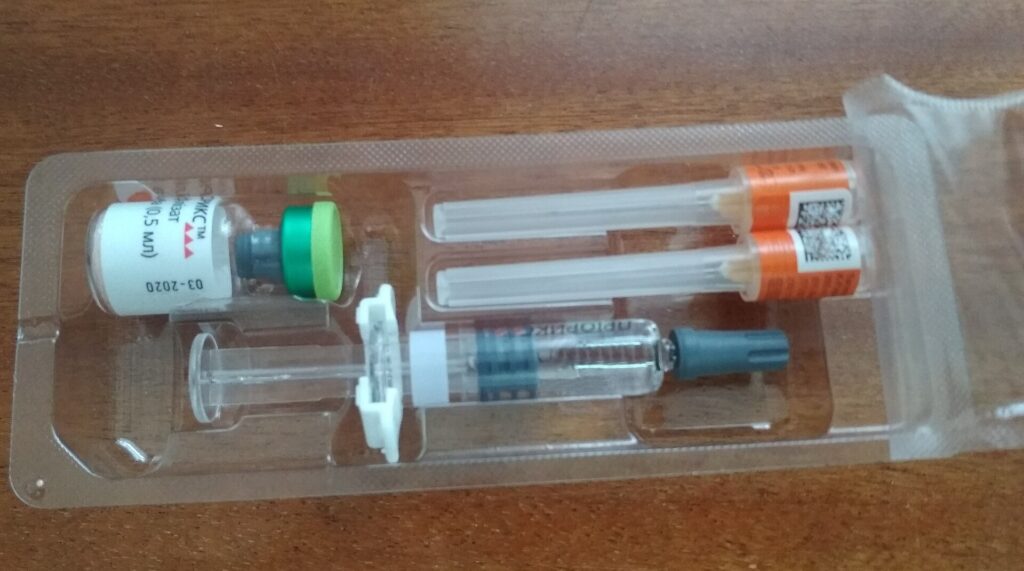
- Check that you and your kids have had two doses of MMR. Two doses are about 97% effective.
- If you’re not sure, ask your doctor or pharmacist. Adults can still get vaccinated.
- In outbreak areas, some states recommend an early dose for babies 6 to 11 months old.
- If someone has a fever, rash and red eyes, call the doctor before going in so you don’t expose a waiting room.
The BeezLoop Take
Losing measles elimination after 26 years didn’t happen overnight. Kindergarten vaccination rates slipped from 95% to 92.4%, outbreaks were left to run, and the federal government sent mixed messages about the vaccine. This is what that looks like.
Schwartz is right that a label doesn’t protect anyone and vaccination does. That’s exactly why the administration should be pushing the MMR vaccine loudly and without hedging, not reopening settled questions about it.
The open question: will the corrective action plan include a real push to raise vaccination rates, or just more money for outbreak response after the fact?
Sources: CNBC · 6abc Philadelphia (video)