
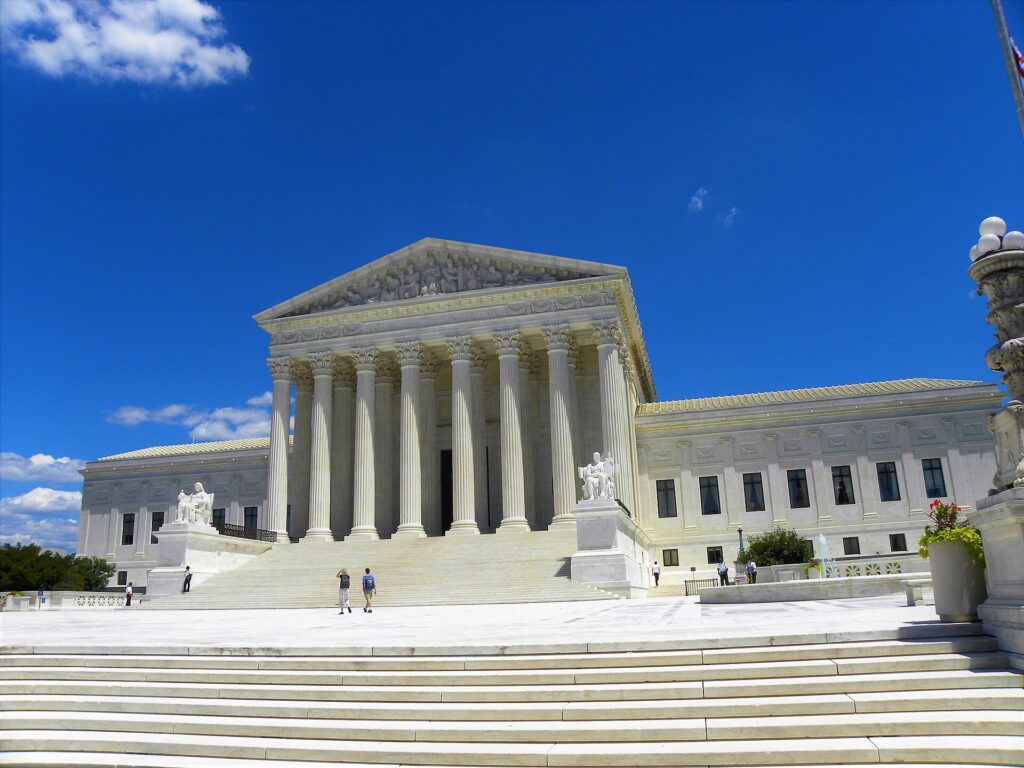
The Supreme Court on Monday turned down a challenge to Maryland’s ban on carrying guns in “sensitive places” like bars, stadiums, parks and hospitals. That leaves the law in place, NBC News reported. But Justice Clarence Thomas, who wrote the court’s landmark 2022 gun-rights ruling, made clear the fight isn’t over.
The challenge came from gun-rights groups, including the Maryland affiliate of the National Rifle Association, and several gun owners. A federal appeals court in Richmond had already upheld all of the location bans they challenged.

Where can’t you carry a gun in Maryland?
Maryland’s 2023 law, signed by Gov. Wes Moore, bars carrying guns at college campuses, hospitals, power plants, amusement parks and places that serve alcohol or cannabis on site, Reuters reported. Older state rules already banned guns on public transit, at casinos, schools and public protests. NBC notes the list also covers state parks and healthcare facilities. A separate rule that would have banned guns on private property unless the owner allowed it was struck down earlier and wasn’t part of this appeal.

If you have a Maryland carry permit, nothing changes today. The bans stay in force.
Why did the Supreme Court pass on the case?
It didn’t say, which is normal. But Thomas did. He wrote that he’s skeptical Maryland’s restrictions are lawful, and that “we should consider the scope of states’ authority to ban firearms in ‘sensitive places.'” He went along with turning down this case because the challenge was so broad that it “would complicate our review,” and signaled he wants a narrower one. No other justice wrote separately.
The backdrop is Bruen, the 2022 decision that said the Second Amendment protects carrying a gun outside the home and that gun laws must fit “this nation’s historical tradition of firearm regulation.” Since then, states like Maryland, New York, New Jersey, California and Hawaii passed broad lists of places where guns are off-limits. Even gun-rights advocates concede a long history of bans at courthouses, polling places and legislatures. They say Maryland went too far.
What gun cases are coming next?
Plenty. In June the court struck down a Hawaii law requiring permission to carry onto private property open to the public, 6-3. And on Dec. 2 it hears a challenge to state bans on assault-style rifles. The court has also been active on other Trump-era fights this term. A narrower sensitive-places case, the kind Thomas asked for, could be back within a year or two.
The BeezLoop Take
Leaving Maryland’s law alone was the cautious move, and probably the right one for now. The court can’t keep saying gun laws must match history without ever telling states which places count as sensitive. That uncertainty helps no one: not gun owners, not police, not businesses deciding whether to post signs.
Thomas’s note is a road map for the next challenge. States with long lists of banned places should assume they’ll have to defend each item, one at a time.
The open question: when the court finally takes a narrower case, does a bar or a park count the same as a courthouse?