

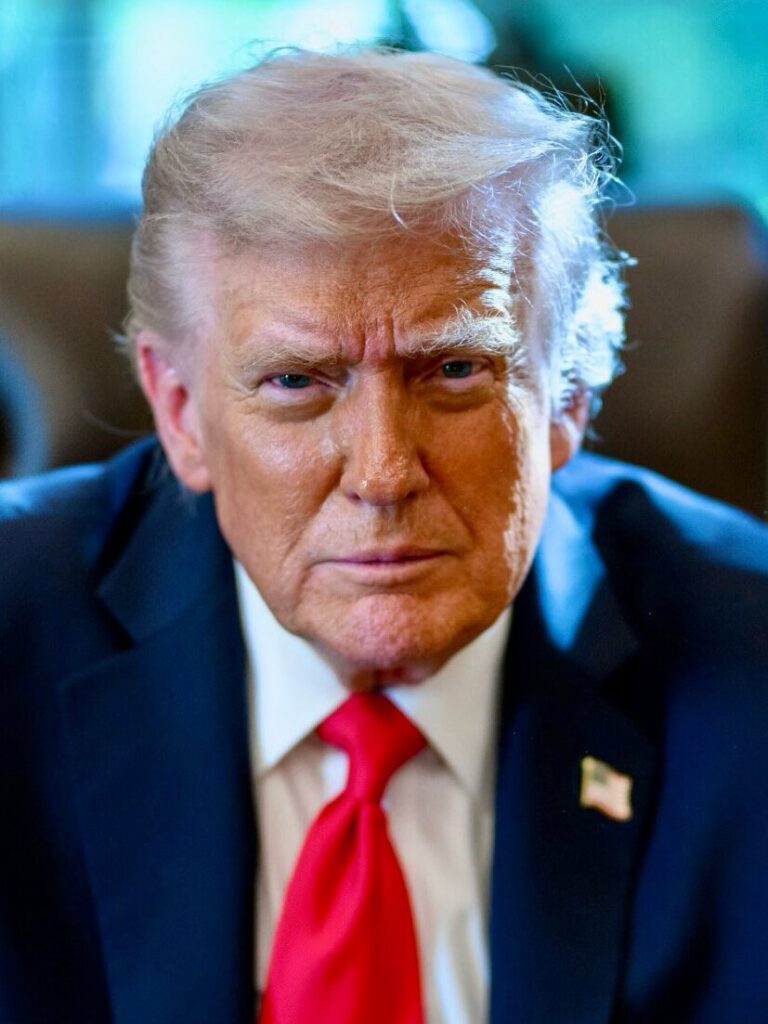
President Trump said Thursday that Iran has contacted the United States “directly” and wants a deal, telling reporters “hopefully we are towards the end of the war.” Tehran has not confirmed any such contact, and Saudi Arabia and the Houthis traded strikes the same day.

What was actually said, and what was not
Trump said Iran reached out directly, that it “very much” wants a deal, and that he hopes the roughly seven-month conflict is nearing its end. He did not describe the channel, name who made contact, or offer any detail about terms. He is scheduled to meet Gulf leaders next week on postwar strategy.
The asymmetry matters. This is a one-sided account of a private diplomatic contact, sourced entirely to one participant, and Iran has said nothing to corroborate it. That is not a reason to assume it is false. It is a reason to be precise that what exists publicly is a claim about a conversation, not a confirmed negotiation.

Optimism and escalation are not contradictory here
It looks strange to hear the war may be ending on a day when Saudi Arabia and the Iran-backed Houthis are exchanging fire. It is not actually strange, and expecting the fighting to quiet before talks conclude misreads how these endings work. Parties negotiating from weakness have every incentive to demonstrate they can still inflict costs, since leverage at the table is a function of what you can still do away from it. Intensified fighting during talks is closer to the norm than the exception, which means the violence on the ground is a poor indicator either way.
Why oil is the tell
Markets price this more honestly than statements do. Crude slipped from four-month highs, but mostly because Saudi Arabia offered additional shipments after drone damage to its pipeline infrastructure, not because traders concluded the war is ending. That distinction is the useful one. A market genuinely convinced the conflict was closing would sell off considerably harder, and the fact that it has not is a measured verdict on this announcement from people with money at stake.
That has direct consequences at home. We have covered Brent crude above $108 and Trump’s threat to strike Iran’s Kharg Island export terminal, and pump prices have been tracking the conflict throughout. A real end to the war would be the single largest downward force on U.S. gas prices available right now, which is why a vague statement about a phone call is worth watching at all.
The open question
Whether this is the beginning of an off-ramp or a negotiating posture is genuinely unclear, and anyone claiming certainty either way is guessing. The thing that would settle it is not another statement from Washington. It is confirmation from Tehran, or a concrete detail about the channel. Until one of those exists, this is a hopeful claim with nothing under it yet.
Sources: CNBC · U.S. News · Democracy Now