
President Trump launched February’s military offensive against Iran despite explicit warnings from his own intelligence chief, vice president, and senior advisers that the strikes could trigger a global energy crisis and produce a more hard-line Iranian government, according to a Wall Street Journal report on internal deliberations before the war.
What Gabbard Warned
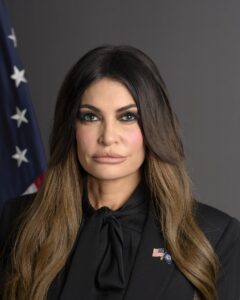
Then-Director of National Intelligence Tulsi Gabbard told Trump that targeting Iran’s supreme leader would likely install an even more hard-line successor and could force the closure of the Strait of Hormuz, the narrow waterway through which roughly one-fifth of the world’s oil and gas trade passes. Gabbard also argued the strikes could draw retaliation against U.S. forces and allies across the Middle East, raising doubts among partners about American reliability.
What Vance Warned
Vice President JD Vance separately warned that a war with Iran risked regional chaos and heavy casualties, and reportedly argued during pre-war meetings that a negotiated approach could still convince Iran to dismantle its nuclear program without military action.

Why Trump Moved Ahead Anyway
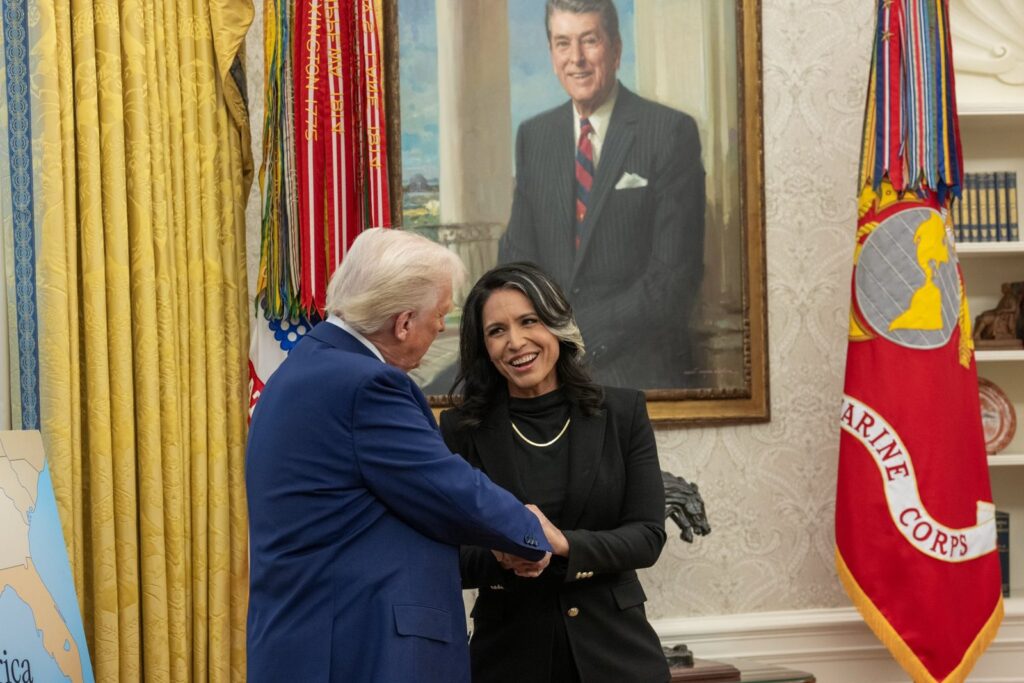
Despite the warnings from Gabbard and Vance, Trump sided with Defense Secretary Pete Hegseth and the military leadership’s confidence that any consequences could be managed as they arose, according to the Journal’s reporting. The offensive, code-named Operation Epic Fury internally, proceeded as planned.
The Aftermath Largely Matched the Warnings
Since the offensive, Iran has struck Qatari LNG infrastructure, knocking out roughly 17% of that country’s export capacity, and the broader Gulf security picture has remained volatile months later. Whether the Strait of Hormuz warning fully materialized and how Iran’s post-strike leadership has actually behaved remain open questions the Journal’s report does not resolve, but the broader disruption Gabbard and Vance flagged in advance has, in large part, played out.
Related from BeezLoop: Iran Offered to Reopen Hormuz in Seven Days, Forty-Nine Senators Said the Iran War Needs Congress and Trump Told the UN He Might 'Annihilate' Iran.