
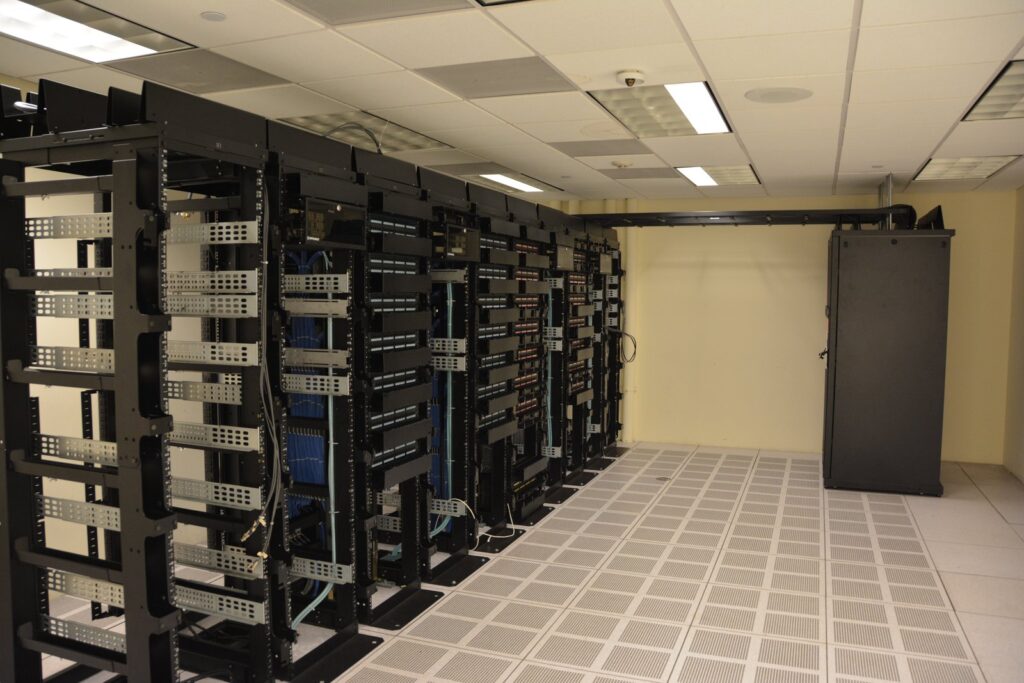
The House passed the Ratepayer Protection Act by 417 to 3, a bill meant to stop tech companies from pushing the electricity costs of AI data centers onto ordinary utility customers. It now goes to the Senate.

What the bill does
It encourages state utility regulators to adopt standards ensuring that “large-load customers,” meaning large data centers, are billed for the cost of the new electricity generation they require, rather than having that cost spread across every ratepayer on the system. Democratic Rep. Kathy Castor of Florida and Republican Rep. Gabe Evans of Colorado introduced it with dozens of co-sponsors, and House leaders fast-tracked it under a process requiring a two-thirds majority.
The word doing all the work is “encourages”
This is the part that deserves more attention than the 417-3 vote. The bill requires states to consider adopting these standards. It does not require them to adopt anything. Electricity rates are set by state public utility commissions, and Congress is not in a position to set them directly, so what passed is a nudge with a deadline rather than a mandate.

That gap explains the margin. A bill that genuinely forced tech companies to absorb billions in grid costs would not clear the House 417-3; it would be a fight. A bill directing states to hold a proceeding about whether to do that can pass nearly unanimously, because voting for it costs almost nothing and voting against it looks like siding with data centers over constituents. Both of those are true at once, and the second is why the vote count is a poor measure of how much this changes.
Why it is on the agenda now
Because the cost is already showing up. Data center construction for AI is adding demand to regional grids faster than new generation is coming online, and in the places where that is most acute, residential bills have moved. This is the wallet-level consequence of the AI buildout that most coverage of the buildout skips: the capital expense is a corporate story, but the electricity is socialized through rates unless somebody intervenes.
What to actually watch
Not the Senate vote. Sen. Jon Husted of Ohio has a companion bill that has not been scheduled, and passage there would still leave the substantive decision with state commissions. The thing that determines whether your bill changes is whether your own state’s utility commission opens a large-load rate proceeding and what it concludes. That is a far less visible process than a House vote, and it is where this is actually decided.
Sources: NBC News · CBS News · Colorado Public Radio