

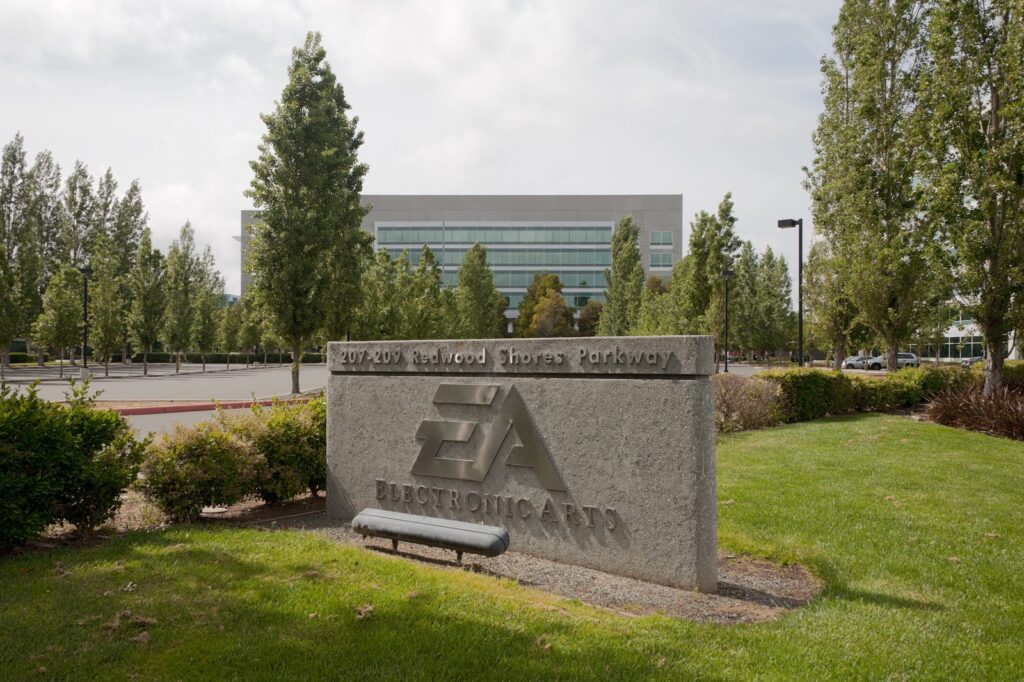
Electronic Arts employees are worried about creative censorship after the company’s $55 billion acquisition by a group led by Saudi Arabia’s Public Investment Fund (PIF), along with private equity firm Silver Lake and Jared Kushner’s Affinity Partners, officially closed on August 4. The deal paid EA shareholders $210 per share, a 25% premium over the stock’s price before sale rumors first surfaced.
Current and former staff say they expect tighter limits on games that visibly embrace diversity and inclusion themes, with titles like The Sims specifically named as a likely pressure point. Former BioWare lead writer Trick Weekes predicted that “guns and football” will remain safe creative territory for EA under the new ownership, while LGBTQ+ content in future titles is at real risk of disappearing rather than being explicitly banned.
How Censorship Might Actually Happen
Employees describe the more likely mechanism as quiet rather than direct: projects simply not getting greenlit if they don’t align with the new owners’ sensibilities, and developers self-censoring by not pitching certain ideas in the first place to avoid friction with management. That kind of soft pressure is harder to point to as explicit censorship, but multiple staff say it’s the more realistic outcome than an official content ban.
What EA and the Union Are Saying
EA has told staff its “cultural values” will remain intact under the new ownership structure, but employees say that vague assurance doesn’t address the specific concern about creative control over individual titles. The union representing EA workers, UVW-CWA, has publicly criticized the buyout and called for regulatory scrutiny, and lawmakers including Sens. Blumenthal and Warren have separately raised concerns about surveillance risks and potential foreign government influence tied to the deal.
Related from BeezLoop: LIV Golf Slashes Finale Purse in Half Amid Unpaid Vendors and New Lawsuits, The Saudi Sandbox: Roblox's Oil Money and the $55 Billion Hijacking of Play and Brent Crude Tops $108 After Saudi Arabia Shuts Key Pipeline Bypassing the Strait of Hormuz.