
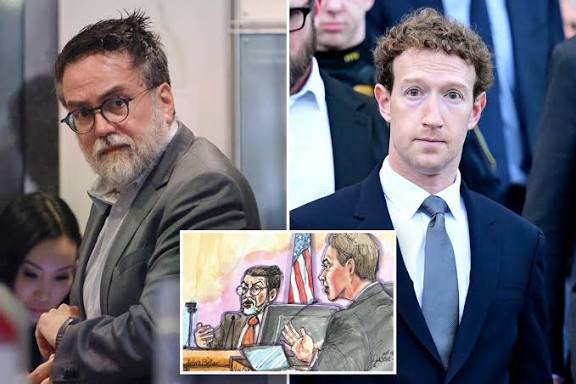
Former Meta engineer Arturo Bejar testified this week in a landmark child safety trial in Oakland that Mark Zuckerberg was not being truthful when he publicly denied putting profits ahead of teen safety. Bejar, who worked on safety issues at Meta for eight years, said he personally briefed Zuckerberg on product vulnerabilities and safety concerns roughly 100 times over the years.
Bejar testified that Meta operated with a “don’t ask, don’t tell” approach to child safety, and that internal research he conducted found 51% of teenage Instagram users reported a bad or harmful experience on the platform within the previous seven days alone. He said internal studies documented teens encountering harmful material at elevated rates, including content surfaced by recommendation algorithms from sexual predators and graphic violent imagery, and that he raised these findings with Facebook and Instagram executives multiple times without seeing meaningful changes follow.
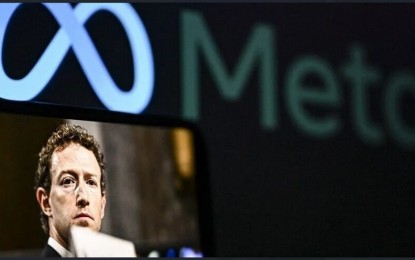
What the Trial Is About
Bejar is a key witness for a coalition of states, led by California, Colorado, Kentucky, and New Jersey, suing Meta over alleged violations of consumer and child data protection laws. The states argue Meta knowingly built and kept features, including autoplay video, “like” counters, and infinite scroll, that it understood were harmful to teenagers, while publicly telling Congress and the public that user wellbeing was a priority. The trial is expected to run for roughly six weeks.
Why the Safety Features Mattered, and Didn’t Work
Bejar specifically criticized safety tools Meta rolled out publicly, like Instagram’s “quiet mode,” as designed to fail because they’re optional settings a teenager has to actively turn on rather than defaults built into the product. That distinction, opt-in versus default, is central to the states’ argument: a safety feature nobody uses functions as a public relations talking point more than an actual protection, and internal data reportedly showed Meta knew adoption of these optional tools was low.
Related from BeezLoop: Meta to Pay Up to $17.1 Billion in Landmark Child Safety Settlement, Musk Is Suing Altman and Google Is Helping Write AI Chatbot Safety Laws.