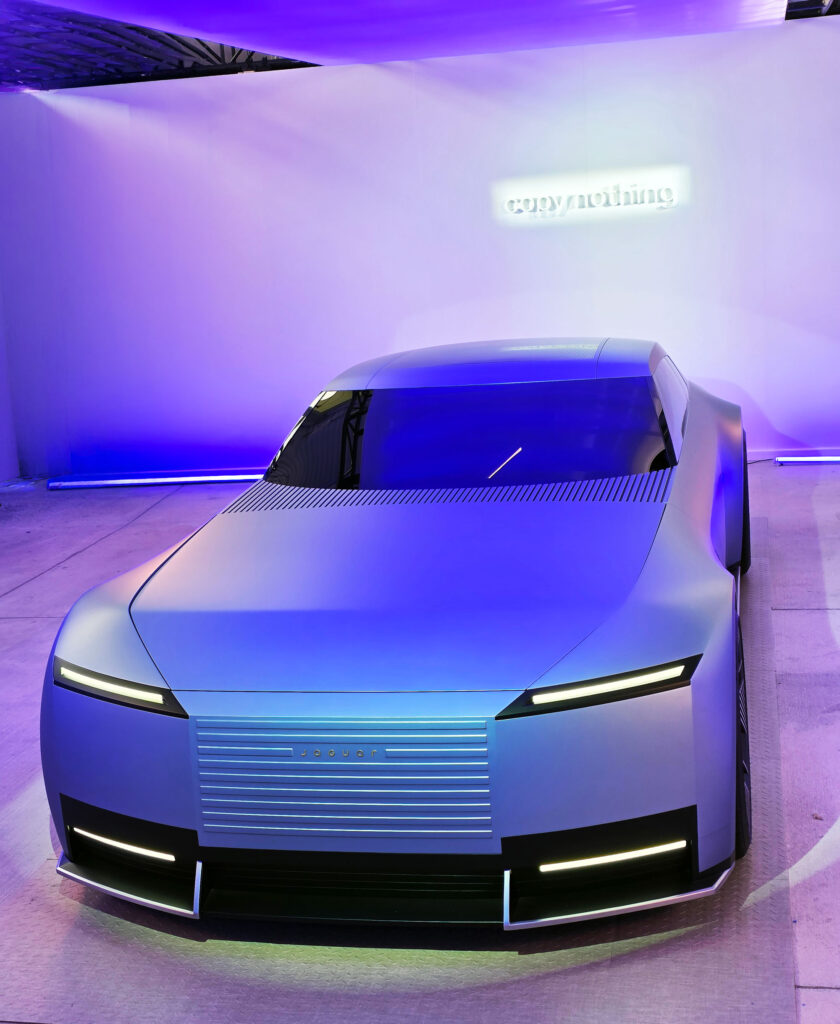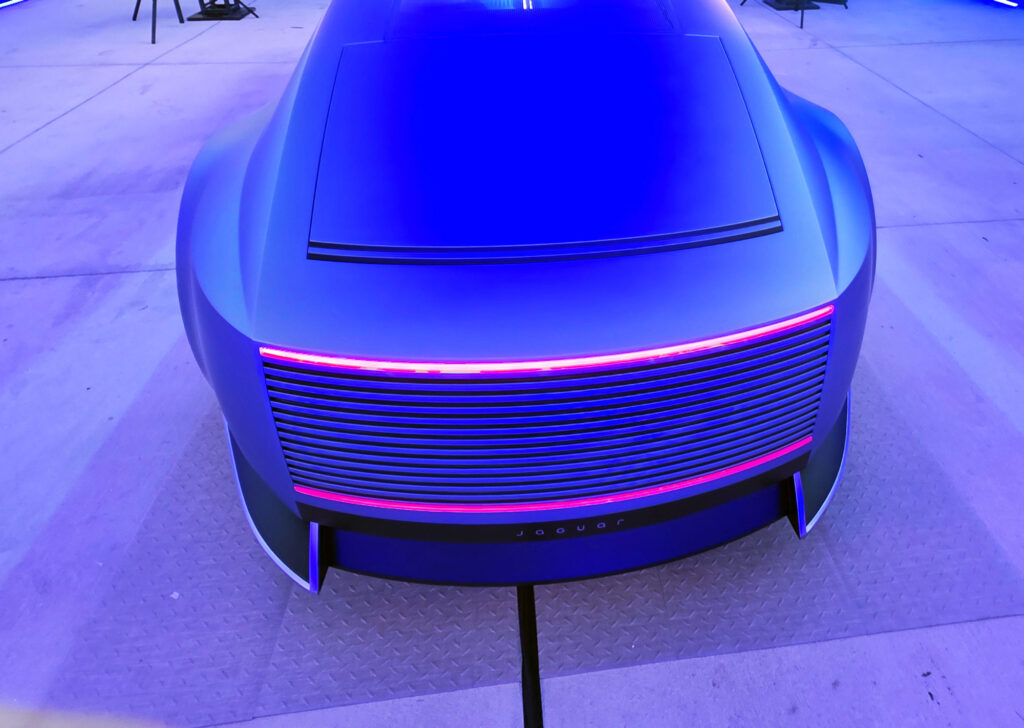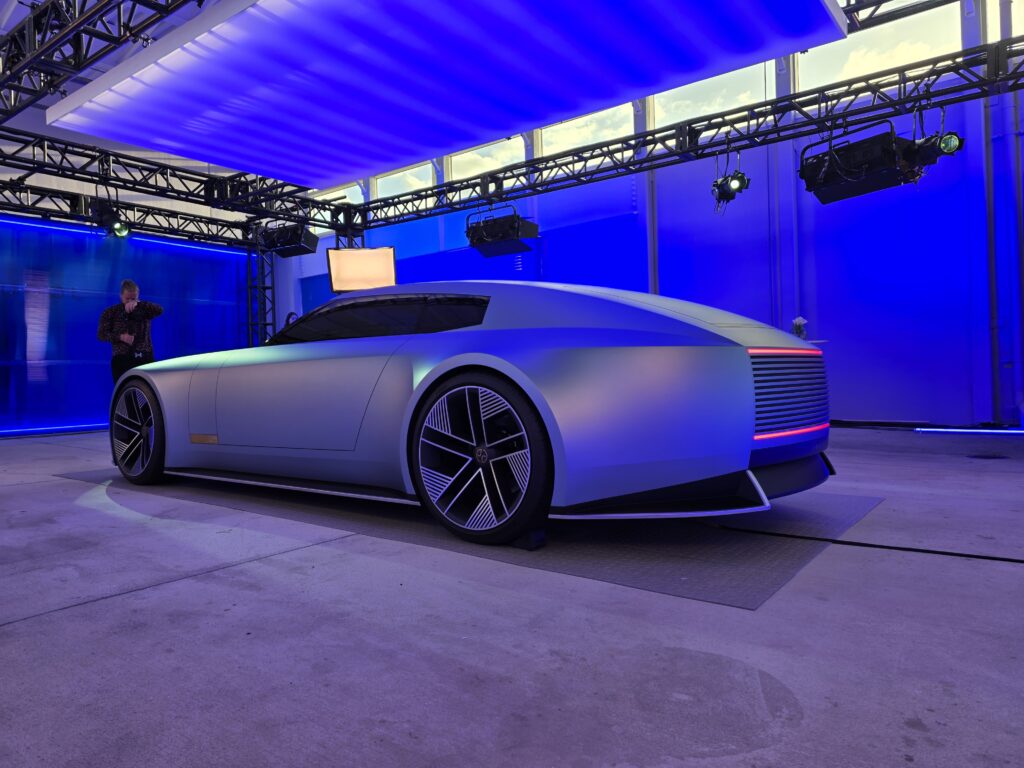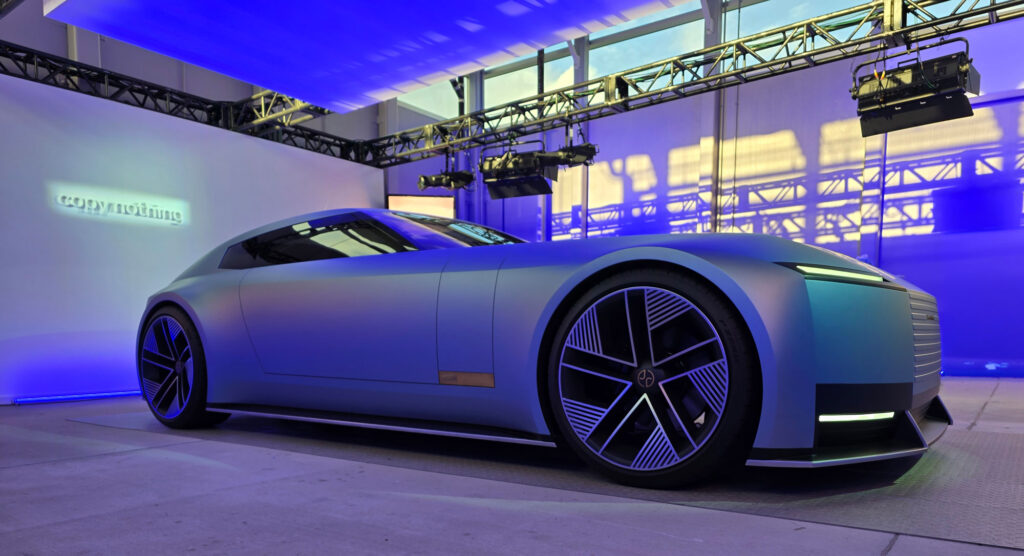

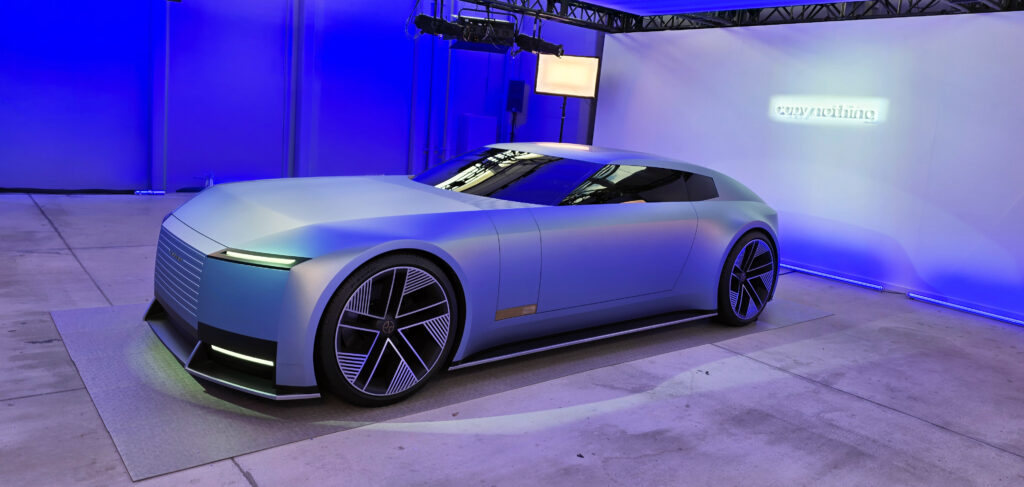
In November 2024, the executives at Jaguar Land Rover (JLR) did something that completely broke the internet, and not in a good way. They launched a neon-soaked, high-fashion rebrand that seemed more interested in modern art and avant-garde runway models than in building actual cars. It was followed by the unveiling of the “Type 00” concept car in Miami: a slab of monolithic design that split the automotive world right down the middle.
Now, almost two years of internet fury and camouflaged prototype sightings later, we finally have a date, a location, and a name for the first production vehicle of Jaguar’s high-stakes “rebirth.”
The brand’s new savior is called the Jaguar Type 01, and JLR’s Chief Commercial Officer Leonard Hoornik recently confirmed it will officially debut in New York City this October 2026.

But as the corporate hype machine prepares to throw a “very, very special” launching party in the Big Apple, let’s apply some boots-on-the-ground, common-sense logic to Jaguar’s massive six-figure gamble.
What is the Type 01?
On paper, the Type 01 is an absolute monster. Jaguar is abandoning its traditional battleground of trying to compete with the BMW 3-series or the Mercedes E-Class. Instead, they are moving upmarket, aiming directly at the ultra-luxury stratosphere of Bentley, Aston Martin, and Rolls-Royce with a starting price expected to hover around $130,000.
Here is what we know about the machine under the camo:
- The Power: It features a triple-motor electric drivetrain pushing out over 1,000 horsepower (1,000PS) and a crushing 959 lb-ft (1,300Nm) of torque.
- The Look: Long hood (“bonnet”), sloping roofline, a steeply raked windshield, and a massive, monolithic front end that inherits the design language of the controversial Type 00 concept.
- The Name: The “Type” moniker nods to Le Mans-winning classics like the C-type, E-type, and F-type. According to Jaguar’s media newsroom, the “0” represents electric propulsion and zero tailpipe emissions, while the “1” denotes its status as the first Jaguar of a brand-new era.
The Boardroom Battle: Engines vs. Electrons
Behind the scenes of this launch is a fascinating corporate standoff. In February, rumors swirled that JLR was privately investigating whether the new Jaguar Electric Architecture (JEA) could be modified to accept an internal combustion engine to act as an onboard generator, an extended-range EV (EREV) system.
It made perfect logical sense. Global EV demand has hit a massive brick wall. Even JLR has had to re-engineer its upcoming Land Rover electric platform (EMA) to accept hybrid setups because buyers simply aren’t rushing to buy pure-electric cars.
Yet, Jaguar’s leadership has stubbornly refused to compromise on their all-electric, zero-emission vision. At JLR’s Investor Day, CEO PB Balaji flatly rejected the idea of range-extenders, declaring: “The kind of performance attributes we want Jaguar to perform against can be delivered only through an electric drivetrain.”
It is a classic example of corporate hubris. Rather than building a flexible vehicle that meets the messy, real-world infrastructure realities of 2026, Jaguar is betting its entire short-to-medium-term survival on a dogmatic “all-or-nothing” electric strategy.
The Street-Smart Reality Check
Let’s look past the glossy investor slides and examine the market this car is entering.
We are living through an economy where working-class families are getting squeezed by rising energy bills, the national personal savings rate has plummeted to a historic four-year low of 2.7%, and 23,000 jobs were unexpectedly lost in July alone. Yet, the suits in JLR’s boardroom believe the ultimate path to financial salvation is to stop selling cars to the upper-middle class and instead sell $130,000, 1,000-horsepower electric spaceships to the top 1%.
Historically, when Jaguar has succeeded, it has done so by leading, creating gorgeous, unmatched, and highly desirable cars like the E-type or the original XJ6 that offered elite performance at a price that made the established players sweat. When they tried to lazily copy others, like the underwhelming, BMW-chasing X-type, they failed miserably.
But is a six-figure, purely battery-powered grand tourer with a design that alienated half the internet really “leading”? Or is it just chasing a Silicon Valley tech fantasy that is rapidly losing its luster in the real world?
When the sheet comes off the Type 01 in New York this October, the world will be watching. But as always, we recommend keeping your eyes on the road, your hands on the wheel, and your wallet firmly in your pocket until the corporate hype meets the cold, hard logic of the asphalt.