

Hurricane Lala brushed past Hawaii’s Big Island on Saturday as a Category 1 storm, with its eyewall passing roughly 30 miles offshore rather than making direct landfall. That near-miss didn’t spare the island: sustained winds reached 75 mph, some areas saw over 30 inches of rain, two homes were swept away by flash flooding in Naalehu, tens of thousands lost power, and at least one person died. The Big Island hasn’t taken a direct hurricane hit in 155 years, and even a glancing pass from Lala was enough to overwhelm parts of its infrastructure.
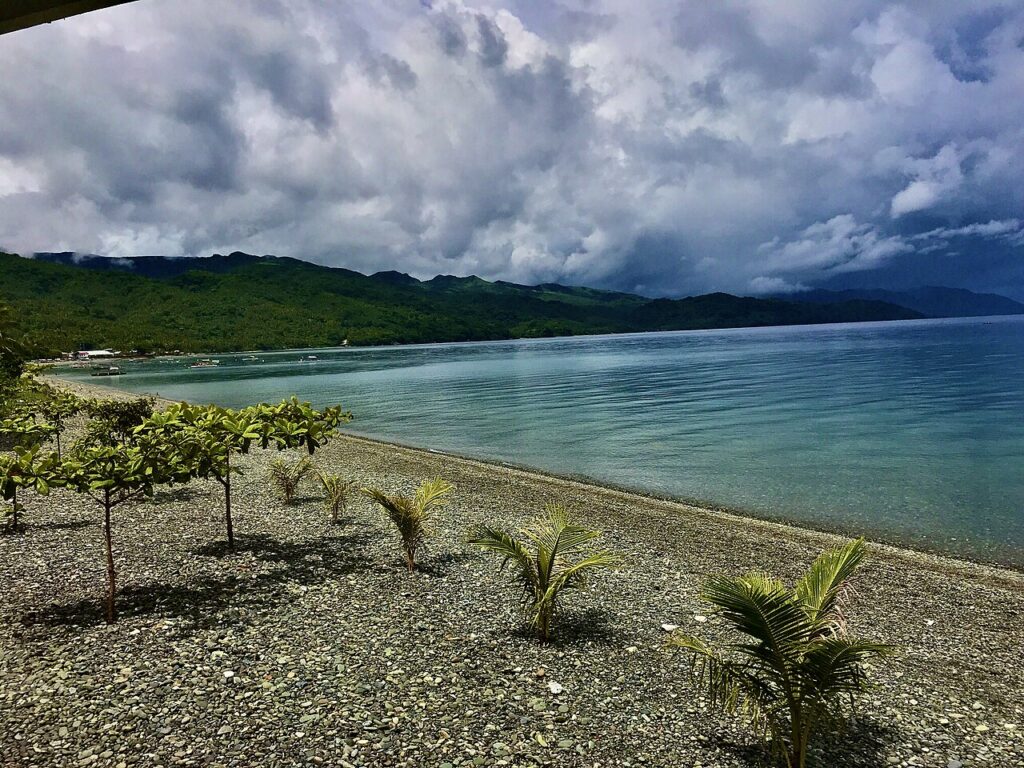
While Governor Josh Green urged residents to shelter in place, the storm played out very differently depending on where you were standing. On the island’s leeward and western shores, and on other islands largely untouched by the storm, tourists carried on with normal vacation plans and surfers went out to chase storm-churned waves.
Two Very Different Storms
That split experience says something about how Hawaii’s tourism infrastructure is built. Large resorts typically run on private water systems, industrial backup generators, and deep supply reserves specifically so paying guests don’t experience outages during a storm. Meanwhile, the same storm knocked out power to thousands of local households and left crews clearing debris and downed trees well after the eyewall had passed offshore.

None of that is unique to Hawaii, resort infrastructure is built to a higher standard than aging residential grids almost everywhere hurricanes hit. But the contrast is especially stark on an island where tourism is the dominant industry and a storm that stayed 30 miles out to sea could still level homes and cut power to tens of thousands of residents.
The Underlying Infrastructure Gap
Local officials and advocates have flagged Hawaii’s aging power grid and flood infrastructure as vulnerabilities for years, arguing that investment has lagged behind the growth of the tourism economy that funds much of the state’s budget. Hurricane Lala didn’t need to make landfall to expose that gap, a storm that stayed offshore still swept away homes and left residents in the dark for days.
🔥 Hurricane Lala’s Impact on Hawaii:
What do you think? Does Hawaii’s tourism economy need to invest more in resilient infrastructure for the communities that keep it running, or is the resort/residential gap just an unavoidable part of doing business on an island? Let us know your thoughts in the comments on BeezLoop.com!
Related from BeezLoop: Tropical Storm Moke Brings Heavy Rain to Hawaii's Big Island Without Making Landfall, The Coming El Nino Could Be the Strongest in Over a Century, UK Forecasters Say and Flash Flooding and Landslide Kill Two in Northwestern Spain.