
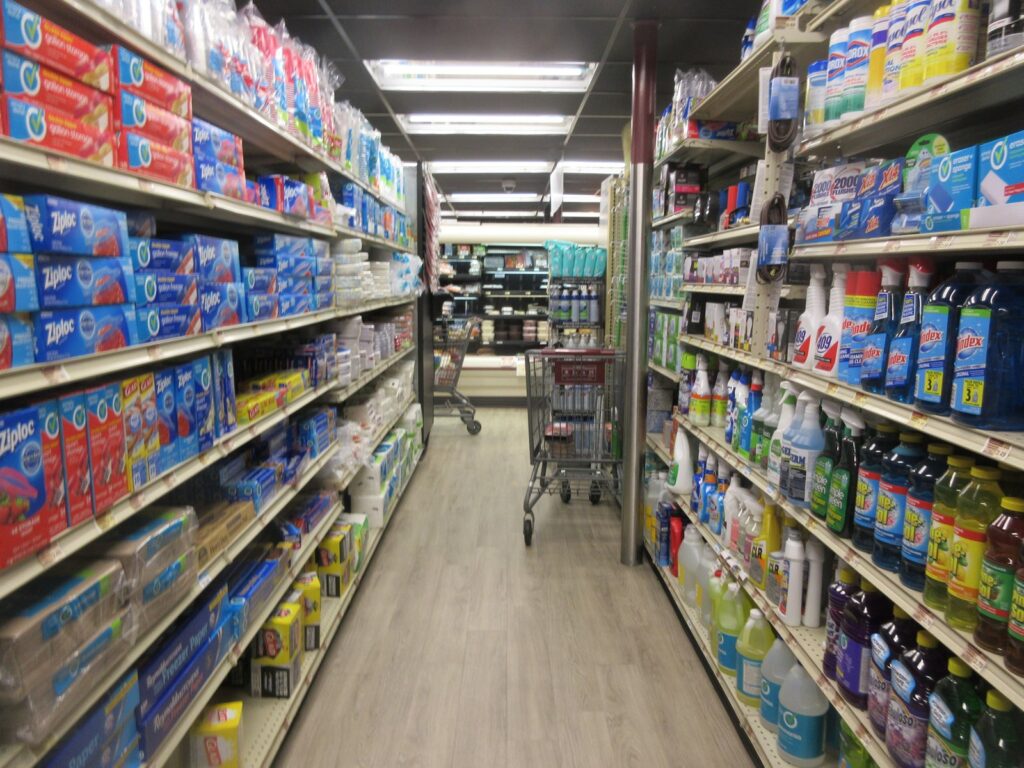
Food-at-home prices have climbed roughly 25% over the past five years, and a majority of Americans, 53% in one recent survey, now say the overall cost of living is the single biggest financial challenge they’re facing. Groceries specifically top the list of what’s driving that feeling, ahead of housing and gas.
Why It Doesn’t Feel Like Inflation Is ‘Slowing Down’
Headline inflation numbers moving from 4.2% to 3.5% sound like real relief, and technically it is, prices are rising more slowly. But slower inflation still means prices, they’re just climbing from an already-elevated base. A 25% cumulative increase in food costs doesn’t reverse itself when the monthly rate cools; it just means the increases from here get smaller, not that the last five years get refunded.
What’s Actually Driving Grocery Costs Specifically
Beef prices are a clear example: a shrunken national cattle herd, the smallest in 75 years, has pushed beef prices to records, which is part of why the administration paused tariffs on imported beef trimmings this week over rancher objections. Tariff disputes with Canada and other trading partners have added further pressure on categories from dairy to produce that cross international supply chains.

What Actually Moves the Needle on a Grocery Bill
Store loyalty programs and digital coupons through your regular grocery chain’s app typically save more than generic coupon sites, since they’re tailored to what you actually buy. Buying proteins other than beef, chicken and pork prices haven’t climbed nearly as fast, can meaningfully offset the categories seeing the steepest increases. Warehouse club memberships pay for themselves within a few months for households buying in bulk regularly, and unit-price comparisons (cost per ounce, not per package) catch the shrinkflation that’s made package-to-package comparisons unreliable.
What Won’t Help Much
Switching store brands for staples you already buy in bulk (rice, flour, canned goods) saves real money; chasing weekly “loss leader” sales across multiple stores usually costs more in gas and time than it saves. If gas is also eating your budget, the math on multi-store grocery trips gets worse, not better.
Related from BeezLoop: Surveys Say Between 48% and 63% of Americans Live Paycheck to Paycheck, Record Gas Prices Aren't a Blip and Your Grocery Receipt Is Lying to You With a Straight Face.