
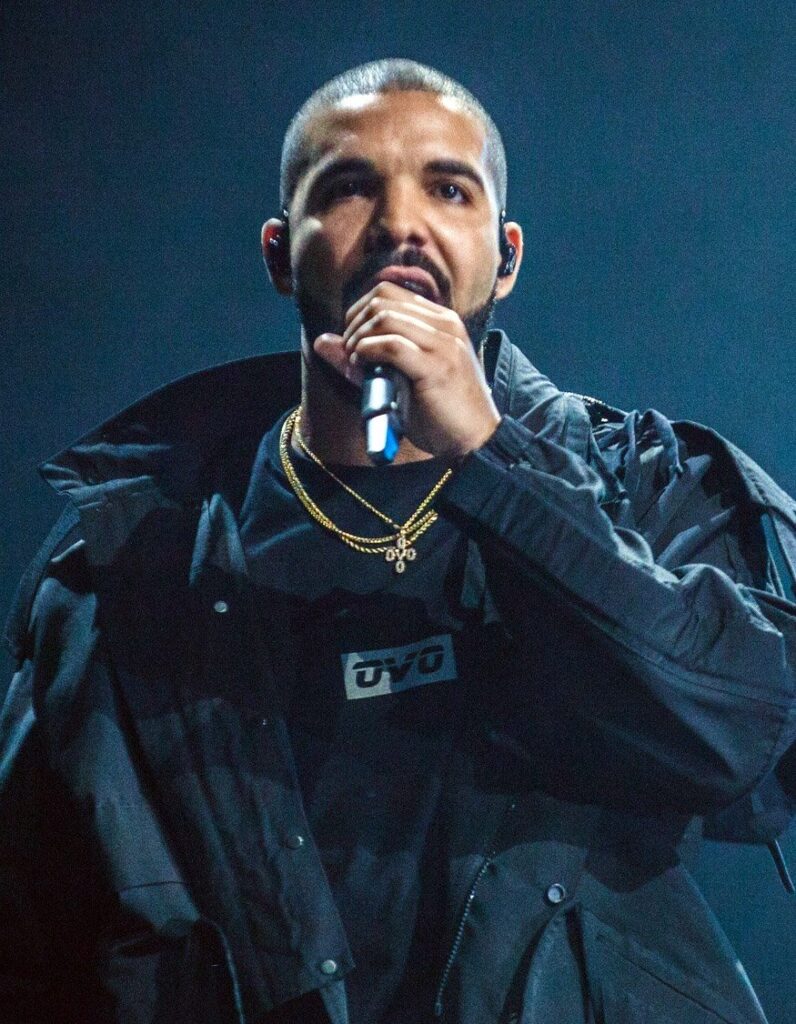
Two years after Kendrick Lamar released a song calling him a pedophile, Drake is still in court about it. A judge threw his case out last October. The appeal now has a date: December 4.
Where the case is
- Drake sued Universal Music Group, his own label, in January 2025, arguing UMG defamed him by promoting Not Like Us.
- In October 2025, U.S. District Judge Jeannette Vargas granted UMG’s motion to dismiss.
- She ruled the statements in the song are nonactionable opinion, and that a reasonable listener could not have concluded it was conveying objective facts.
- Drake appealed to the Second Circuit.
- Oral arguments are set for December 4, 2026.
He did not sue Kendrick Lamar. He sued the company that distributes them both.
The argument he is making
Drake’s lawyers say the dismissal set a dangerous precedent: that statements made in a rap song cannot be defamatory no matter what they assert or what happens to the person afterward.

The legal question underneath is real. Defamation requires a false statement of fact. Opinion, hyperbole and artistic expression are protected. Vargas found a diss track sits on the protected side of that line because listeners understand the genre as combat rather than reportage.
The BeezLoop Take
Vargas got the law right and Drake is not wrong that the result is uncomfortable. Both of those can be true, and the discomfort is the interesting part.
The ruling essentially says a diss track is understood by its audience as a weapon rather than a claim, so nobody reasonably takes it as fact. That is almost certainly correct about how rap is heard. It is also a strange thing to say about a song that was played at the Super Bowl, won Grammys and produced a chant that follows a man through arenas. At some scale, an accusation stops behaving like an opinion regardless of the genre it arrived in, and the law has no good way to measure that.
Suing your own label instead of the rapper was the tell, and it is why this was always going to be hard. Drake could not sue Kendrick Lamar without putting the underlying accusation on trial, which means discovery into his own life. Going after UMG for promotion was the move that avoided that, and it also made the case weaker, because promoting a record is about as protected as commercial conduct gets.
The precedent argument deserves more respect than it is getting, though. If the standard is that anything in a song is opinion, then the most effective way to destroy someone publicly is to set it to a beat, and the more popular the record the more protected the claim. That is a real hole and appellate judges are allowed to notice it.
None of which is likely to help him. Second Circuit panels do not often reverse dismissals on nonactionable opinion, and December 4 will probably be an expensive afternoon.
The question
If an accusation reaches a hundred million people, does it matter that it rhymed? And what is Drake actually trying to win at this point?
Related from BeezLoop: The Woman Who Accused Jay-Z of Rape Says It Never Happened and She Never Met Him, Madonna Won Seven VMAs at 68. Taylor Swift Became the Most-Awarded Artist in the Show’s History and Four Weeks After Dolly Parton Died, Her Manager Took Her Nephew to Court.
Sources: Rolling Stone · The Hollywood Reporter · NBC News · CelebrityAccess