
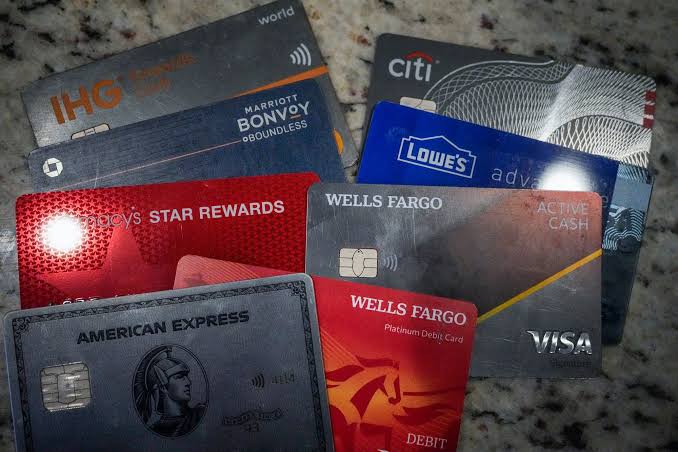
Americans are falling behind on debt payments at rates not seen in years: 4.7% of all outstanding household debt, everything from mortgages to credit cards, was in some stage of delinquency as of the most recent reading, and the share of credit card balances that are seriously delinquent, 90 or more days past due, jumped to 12.8% from 7.6% a year earlier, according to the Federal Reserve Bank of New York’s quarterly Household Debt and Credit report.
Why This Number Actually Matters
A rising delinquency rate isn’t just a statistic, it’s a leading indicator of household stress that usually shows up before it hits headline economic data. People generally stop paying credit cards only after they’ve already cut other spending, which means this number is likely trailing a squeeze that’s been building for a while on gas, groceries, and housing costs.
Who’s Actually Falling Behind
The increase has been concentrated among lower-income and younger borrowers, according to Federal Reserve data, the households with the least cushion to absorb this year’s combination of record gas prices, elevated grocery costs, and rising insurance premiums. That concentration matters because it suggests this isn’t broad economic distress yet, but a specific group getting squeezed hard, a pattern the New York Fed’s own researchers have flagged as a “K-shaped” divide between borrowers.

What to Do If You’re Falling Behind
Call your card issuer before you miss a payment, not after: most major issuers have hardship programs that temporarily lower interest rates or pause payments, but they’re generally easier to get proactively than retroactively. The Consumer Financial Protection Bureau recommends contacting your issuer as soon as you anticipate trouble paying, since many hardship plans require you to still be current. If you’re carrying a balance at a typical card’s 20%-plus interest rate, a 0% balance-transfer offer or a fixed-rate personal loan to consolidate can meaningfully cut what you’re paying in interest, provided you have a realistic plan to pay it down during the promotional period rather than reload the card.
The Warning Sign Worth Watching
If your minimum payments are covering only interest and you’re using the card for essentials you used to pay in cash, groceries, gas, utilities, that’s the specific pattern that tends to precede a serious delinquency spiral, and it’s worth addressing before it shows up as a missed payment rather than after.
Related from BeezLoop: Surveys Say Between 48% and 63% of Americans Live Paycheck to Paycheck, The Fed Raised Rates and The 10-Year Treasury Hit 5.12%. Here's What That Does to Your Mortgage, Your Car Note and….