

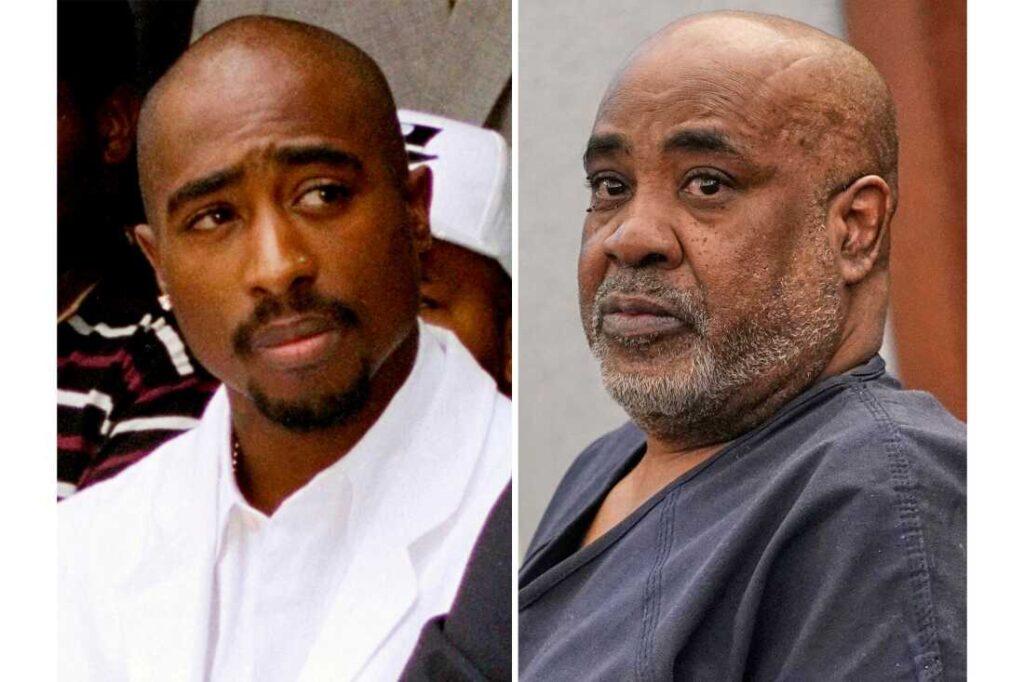
In the history of American crime, some of the most infamous cases were cracked by careful detective work or a well-placed informant. But on August 14, 2026, as a jury was seated in a Las Vegas courtroom for the murder trial of Duane “Keffe D” Davis, this case reached trial through a very different path.
Davis, a 63-year-old former Compton gang leader, is the only person ever charged in the September 7, 1996, drive-by shooting that killed rap icon Tupac Shakur on the Las Vegas Strip.
For over twenty years, the murder of Tupac Shakur was one of the most famous cold cases in music history. The other occupants of the car from which the shots were fired had all died, leaving investigators with few active leads.

The case might have stayed unsolved were it not for Davis’s own public statements. Starting in 2018, Davis gave numerous interviews on YouTube and true-crime podcasts, appeared in documentaries, and published a 2019 memoir titled Compton Street Legend. In his book and on camera, Davis described in detail how he says he was involved in orchestrating the shooting, including procuring the car and the crew involved.
In court this week, Davis’s defense attorneys filed a motion to exclude his memoir and recorded interviews, arguing that his public comments were exaggerated accounts meant to build his reputation and sell books, and that some of his statements were protected speech.

The judge denied the motion, ruling that the book and the recordings are admissible.
A jury of 6 men and 10 women, plus alternates, was seated Thursday. Opening statements are expected to begin Monday, August 17, with the trial expected to last four to five weeks. Prosecutors have not accused Davis of pulling the trigger, but say he orchestrated the shooting and provided the weapon.
Whatever the verdict, the case is a striking example of how years of public self-promotion, rather than a break in traditional investigative work, became central evidence in bringing a decades-old case to trial.






[…] someone the state already has in its database, has met two criteria without committing a crime. The Keffe D case in Las Vegas showed what happens when somebody talks about affiliation in public and a prosecutor is listening years […]