

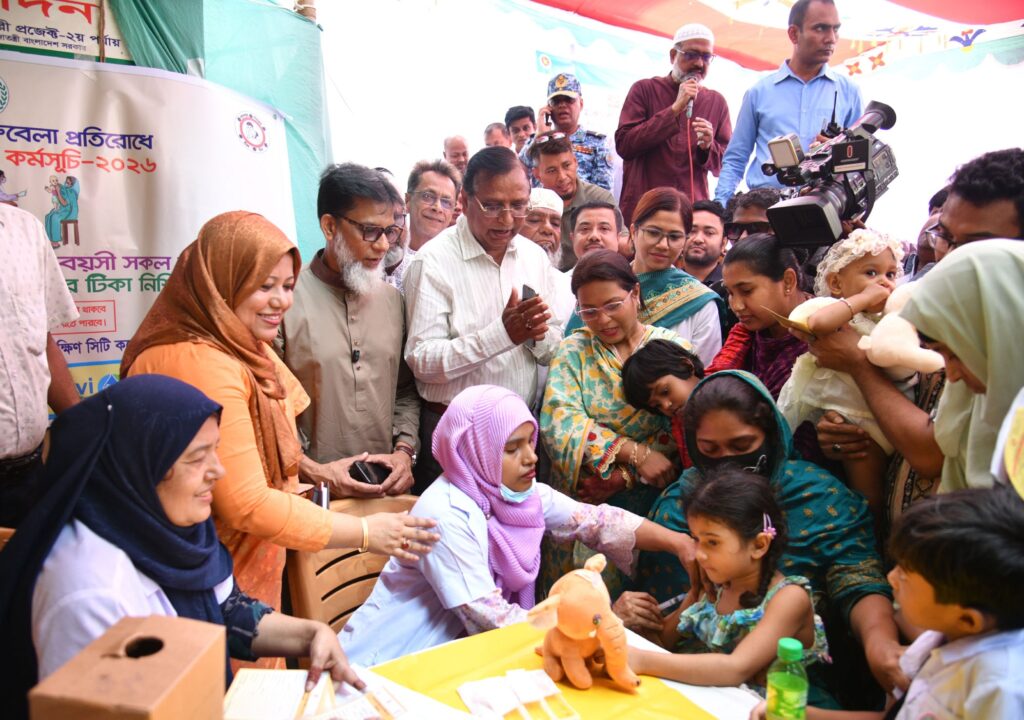
Measles has killed more than 1,000 children in Bangladesh this year, health officials confirmed, making it the largest outbreak of the disease recorded anywhere in the world in 2026. Nearly 190,000 suspected or confirmed cases have been reported since March across the country of 178 million people, according to figures cited by the World Health Organization and Bangladesh’s health ministry.
The outbreak has been traced to gaps in Bangladesh’s childhood immunization program that widened during 2024 and 2025, a period of political upheaval that followed the ouster of former Prime Minister Sheikh Hasina. Routine vaccination campaigns were disrupted as the health ministry underwent leadership changes and clinics in some districts struggled to maintain regular outreach, leaving a generation of young children without the two recommended doses of the measles vaccine.
UNICEF and the WHO have both flagged Bangladesh as a case study in how quickly vaccination coverage can collapse during periods of political instability, and how fast a highly contagious disease like measles can spread once that coverage drops below the roughly 95 percent threshold needed to prevent sustained transmission. Measles has no specific antiviral treatment, and the disease is especially dangerous for malnourished children, who make up a significant share of the fatalities reported so far.

What is being done to stop the outbreak from spreading further?
The Bangladeshi government has launched a nationwide catch-up vaccination campaign, sending health workers into rural districts where coverage rates have historically lagged behind Dhaka and other major cities. International donors, including UNICEF, have supplied additional vaccine doses and cold-chain equipment to support the effort, though officials have acknowledged that logistics in flood-prone and remote areas continue to slow distribution.
Public health specialists say the outbreak illustrates a broader pattern seen in several countries where immunization programs weakened during recent years of disrupted governance or funding, including reduced international aid for vaccine programs. Health workers in Bangladesh have reported resistance to vaccination in some communities driven by misinformation, compounding the challenge of reaching unvaccinated children before the disease spreads to new areas.
The health ministry has not set a firm timeline for bringing the outbreak under control, saying the pace of new infections will depend on how quickly catch-up vaccination campaigns reach the districts with the lowest coverage. Neighboring countries have not reported comparable surges, though regional health officials are monitoring cross-border travel for signs the outbreak could spread beyond Bangladesh’s borders.
Sources: Al Jazeera · France 24
Related from BeezLoop: The CDC Says One Person Died of Measles This Year, US Measles Cases Top 3,290 in 2026, the Most in Three Decades, as Elimination Status Faces… and Pennsylvania Reports First Measles Deaths in 35 Years.